Trump Rallies in Dozens of States as Midterm Vote Opens
Despite low approval ratings and claims of fraud, the President remains central to the campaign narrative while candidates navigate a complex landscape of new maps and high spending.
By Gabriel Serrano ·
President Donald Trump has positioned himself as the central figure in the 2026 midterm elections, holding dozens of rallies across the country in the days leading up to Tuesday. His most recent appearance in Salina, Kansas, underscored his desire to influence the outcome even though his name does not appear on the ballot. At that event, Trump urged supporters to vote as if he were a candidate, a strategy that has defined his campaign strategy throughout the second term. The Associated Press notes that while many Republican candidates have tried to keep some distance from the President, his presence remains a dominant force in the political landscape.
The mood among voters is shaped by significant economic anxiety and dissatisfaction with the administration's handling of foreign policy. Only 35 percent of U.S. Adults approve of Trump's job performance, while 25 percent approve of his handling of the economy. About seven in ten Americans say the country is heading in the wrong direction, with most blaming the President for high prices. This sentiment is evident in the daily lives of voters, such as James Moore, a librarian in Raleigh, North Carolina, who stated that he is paying more taxes, more for health care, and more for everything.
Republicans are bracing for potential losses in the House of Representatives, where all 435 seats are up for grabs. Democrats currently hold 214 seats and need a net gain of three districts to secure a majority, while Republicans can afford to lose no more than two. Ballotpedia identifies 46 battleground districts, with 21 of the Democratic-held districts having voted for Trump in 2024. The complexity of the race is heightened by new congressional maps in six states following mid-decade redistricting, including California, Florida, and Texas. These new maps may alter the traditional voting patterns that parties have relied upon in previous cycles.
In the Senate, 35 seats are contested, including 33 regular elections and two special elections. Republicans hold 53 seats, and Democrats need a net gain of four seats to take control. The race is particularly tight in states like Georgia, where Senator Jon Ossoff faces Republican Representative Mike Collins. In Ohio, former Senator Sherrod Brown challenges incumbent Senator Jon Husted. The Associated Press highlights that economic strain and tariffs have made states like Maine competitive, where Senator Susan Collins faces Democratic former state Senate President Troy Jackson. These races are critical because they determine whether Democrats can establish a legislative agenda for the final two years of the term.
The financial aspect of the election is historic, with the 2026 contests likely to be the most expensive in history. Republican committees have outraised and outspent their Democratic counterparts, aided by funds from Trump-affiliated groups and Elon Musk. However, at the candidate level, Democrats have managed to outraise their opponents. An analysis of AdImpact data shows that 88.1 percent of Republican general election television ad spending has gone to states and districts Trump won in 2024. This targeted spending reflects the party's strategy to protect its base while attempting to counter the President's low approval numbers in key swing states.
Trump's continued claims of voting fraud have added another layer of tension to the election. He has asserted that noncitizens vote in large numbers, a claim that has led his administration to file lawsuits in states like Alaska and California. A federal judge temporarily barred the administration from implementing a plan to prevent noncitizen voting, a move critics say risks disenfranchising eligible voters. Democrats have expressed concern that these legal actions and the Justice Department's threat to prosecute local election officials could lead to interference and intimidation. This legal battle plays out as more than 57 million people have already voted, surpassing early vote totals from four years ago in many closely watched states.
For Democrats, the stakes extend beyond simple partisan control. If they win even one chamber, investigations and possible impeachment proceedings become likely. House Democratic Leader Hakeem Jeffries has outlined a 100-day agenda focused on the cost of living and oversight of the administration. A strong Democratic performance would also boost the profiles of potential 2028 candidates such as Gavin Newsom and Pete Buttigieg. Conversely, a Republican victory could complicate the path for Vice President JD Vance. The party is trying to break the historical midterm pattern where a president's party almost always loses seats, relying heavily on the new redistricting maps to maintain their numbers.
The governor's races are also critical, with 36 offices on the ballot. Republicans currently hold a nationwide majority of governorships, a position they have held since 2010. Democrats aim to take control in states like Georgia, where former Atlanta Mayor Keisha Lance Bottoms challenges Republican health care executive Rick Jackson. In Ohio, Vivek Ramaswamy faces Democrat Amy Acton in a race marked by significant advertising battles. The Associated Press notes that competitive races in Texas, Florida, and Iowa will be pivotal in determining whether Democrats can achieve a statewide majority for the first time in two decades.
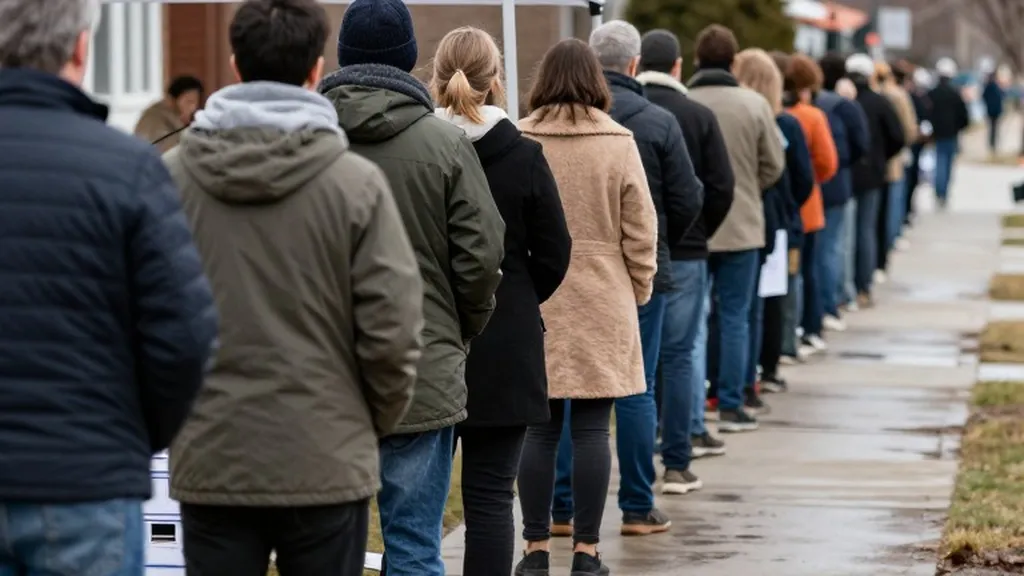
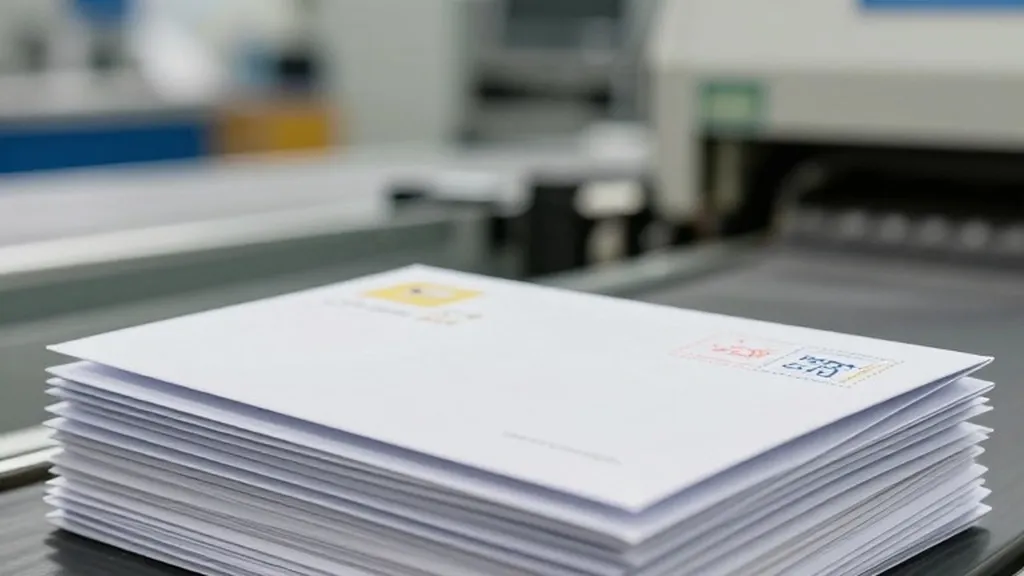
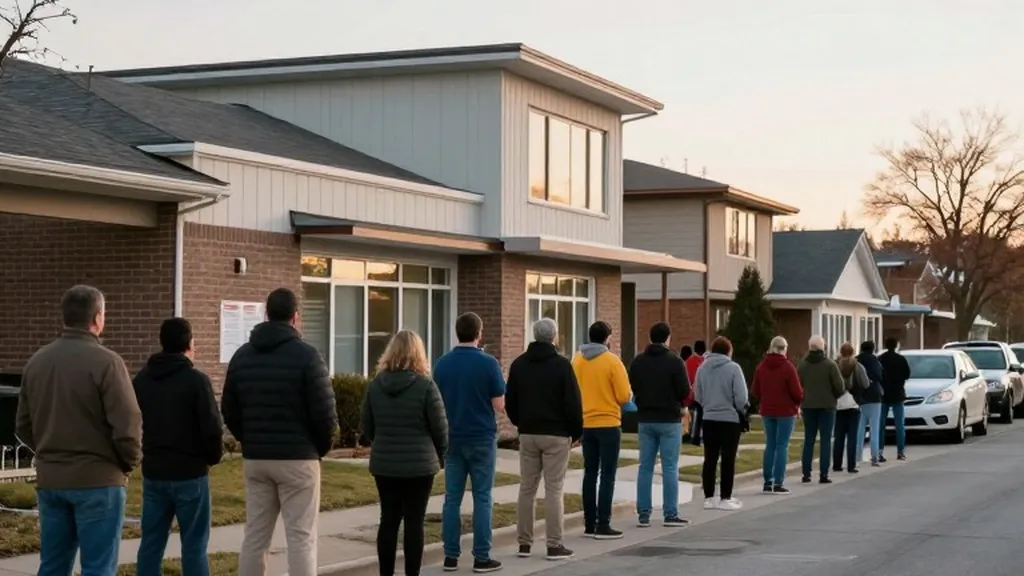
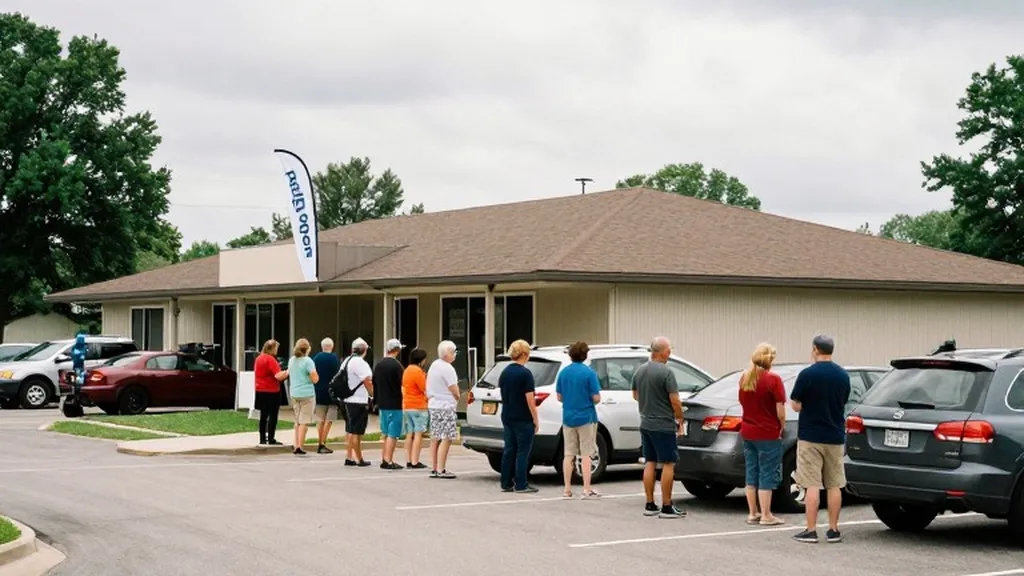
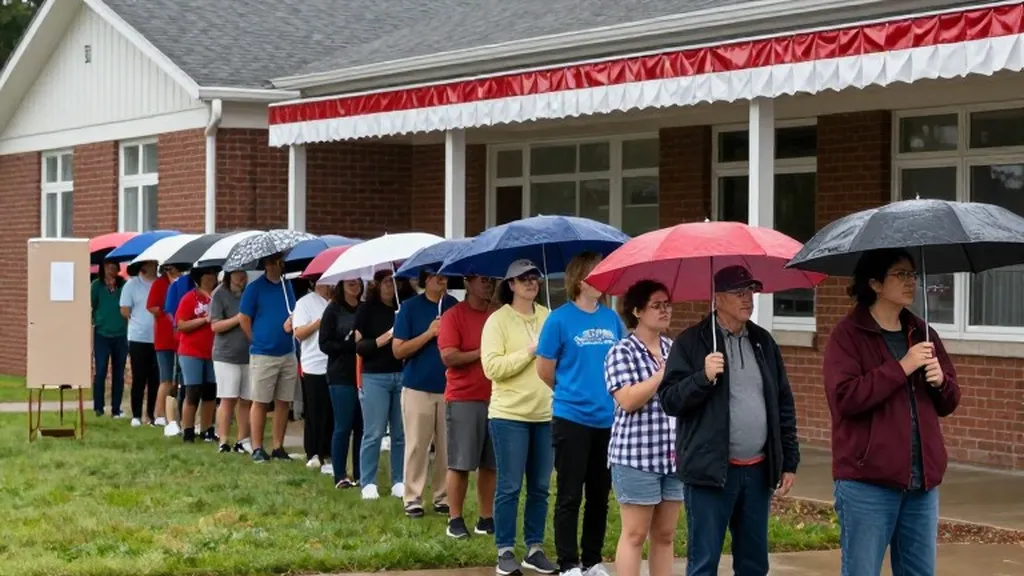
Voters across the country are heading to polling places or submitting mail ballots to make their choices. The U.S. Postal Service has added hours and staff to ensure mail ballots are counted on time, while local election officials work to manage the surge in participation. The election is being viewed as a referendum on Trump's second term, with voters struggling with high prices and angry over an unpopular war with Iran. As polls open in states like Alabama at 7 a.m. And close in others like New York at 9 p.m., the nation awaits the results that will shape the legislative landscape for the next two years.