Cost of living drives 2026 midterms as AP data shows voter anger
With prices high and the economy stagnant, Democrats frame the election as a referendum on household budgets while Republicans focus on turnout in key battlegrounds.
By Ricardo Whitaker ·
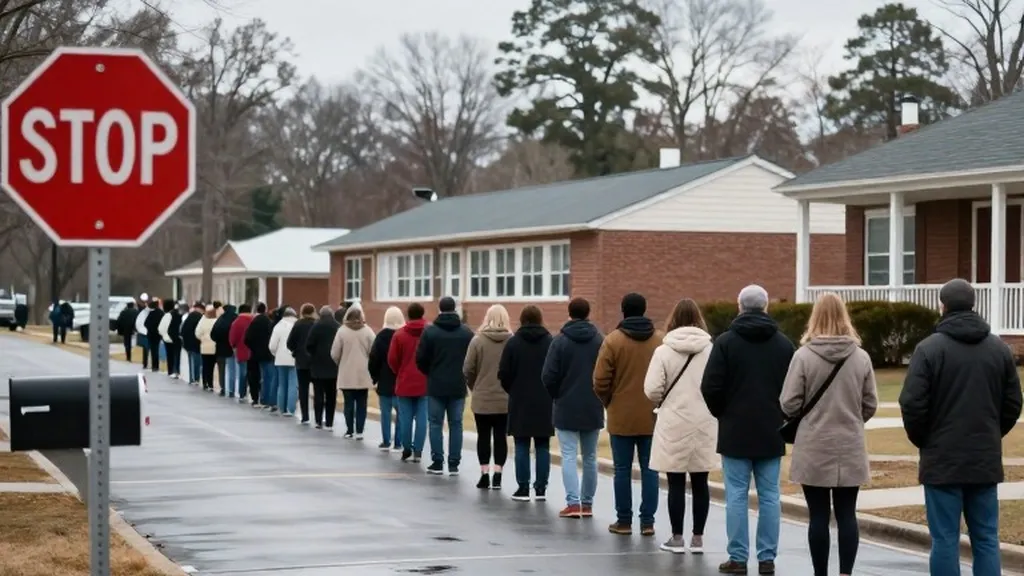
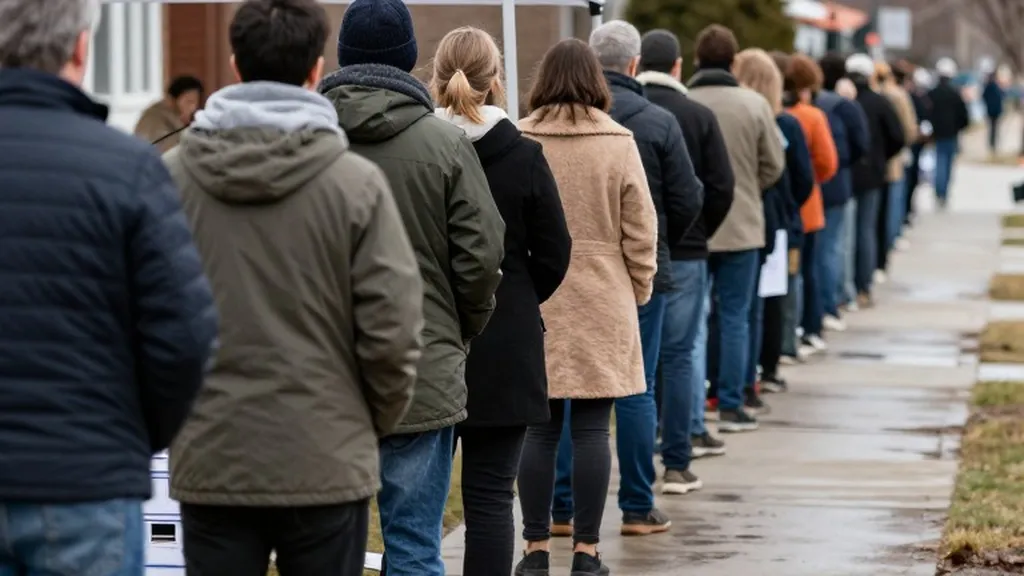
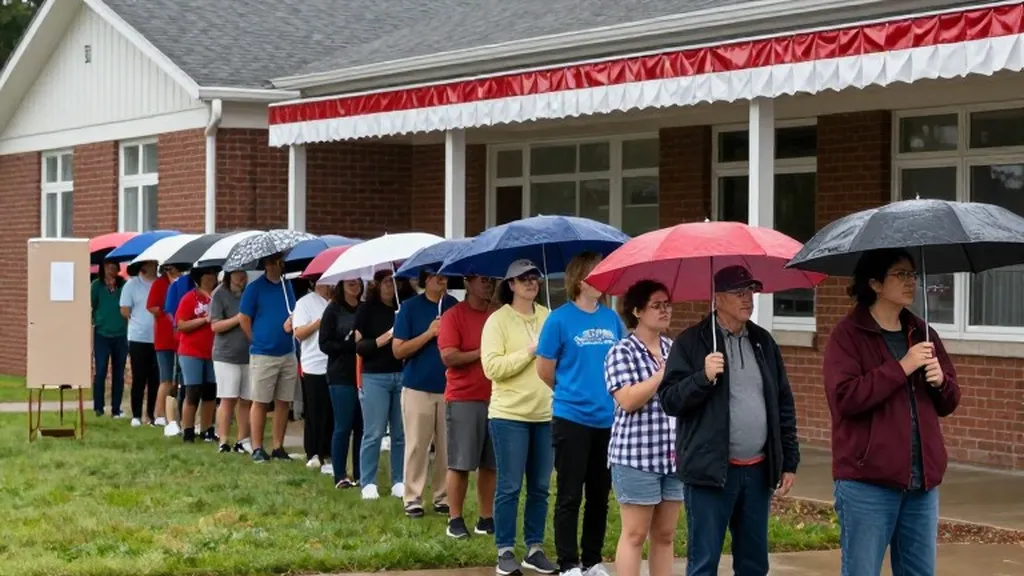
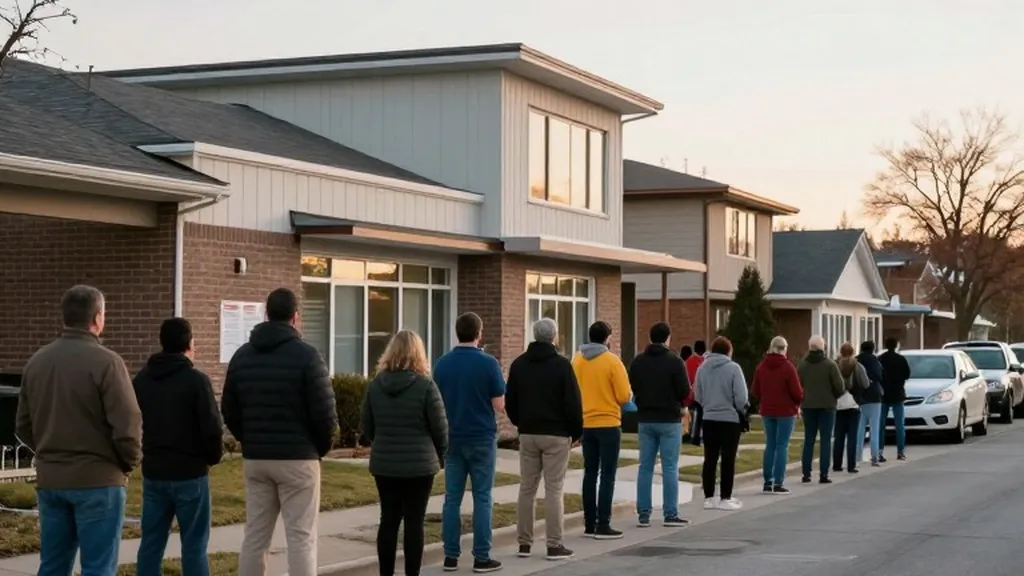
Voters across the United States are heading to the polls on Tuesday to decide the balance of power in Congress during the final two years of President Donald Trump's second term. The Associated Press describes the election as a referendum on the administration, with many citizens struggling with high prices and expressing anger over an unpopular war with Iran. For Democrats, the central message is clear: the cost of living is the top issue. They are framing the day's votes as a direct response to the economic strain felt in living rooms and grocery stores across the country.
35 percent of U.S. Adults approve of Trump's job performance, while only 25 percent approve of his handling of the economy. Approximately seven in ten adults say the country is heading in the wrong direction. Most of these voters blame the president for the high prices that have become a defining feature of the current economic landscape. These numbers provide a strong foundation for the Democratic argument that the administration has lost touch with the daily financial realities of the average American family.
In Raleigh, North Carolina, the economic anxiety is palpable. James Moore, a 57-year-old librarian, told reporters that he is paying more taxes, more for healthcare, and more for everything else. His sentiment reflects a broader Democratic strategy that highlights specific household costs rather than abstract political theories. Moore's comments underscore how the price of basic necessities has shifted the political conversation toward tangible, immediate financial concerns for voters in states like North Carolina, where the Senate race is open and highly competitive.
Contrasting this view, voters in Palm Beach Gardens, Florida, offer a different perspective. Mark Barker, a local voter, stated that he has been following Trump closely and believes the president is doing an awesome job. This split in sentiment highlights the geographic and ideological divides that will shape the outcome of the 2026 midterms. While Democrats lean on the pain of rising costs, some voters in Republican-leaning areas continue to support the president's leadership, suggesting that the economic message will not resonate uniformly across all demographics.
The stakes for the U.S. House are significant, with all 435 seats up for grabs. Democrats currently hold 214 seats and need a net gain of three districts to achieve a majority. Republicans can afford to lose no more than two seats. Ballotpedia identifies 46 battleground districts in the House, with 25 held by Democrats and 21 by Republicans. This close margin means that small shifts in voter turnout or turnout in key suburban and rural areas could determine which party controls the House for the next two years.
In the Senate, Democrats need a net gain of four seats to take control, while Republicans can lose only two. The party currently holds 53 seats. Thirteen Senate races are considered competitive, including open seats in Iowa, Michigan, Montana, and North Carolina. The AP notes that economic strain and tariffs have made states like Maine particularly competitive. In that state, Republican Senator Susan Collins faces a challenge from Democrat Troy Jackson, a former state Senate President. The AP attributes the competitiveness of this race directly to the economic pressures felt by voters in the region.
Money is playing a major role in shaping the election landscape. The 2026 elections are likely to be the most expensive in history, with Republican committees outraising and outspending their Democratic counterparts at the committee level. This spending edge is partly due to support from Trump-affiliated groups and Elon Musk. However, at the candidate level, Democrats have managed to outraise their opponents. This dynamic creates a complex financial battlefield where national spending power meets local candidate fundraising efforts.
Despite the Republican money advantage, Democrats remain cautiously optimistic. Rep. Suzan DelBene, the chair of the Democratic Congressional Campaign Committee, stated that the American people are angry and want change. This sentiment aligns with the AP-NORC data showing widespread dissatisfaction with the economy. In contrast, RNC Chairman Joe Gruters emphasized the importance of turnout, saying that if Republicans turn out their voters, they will win. Both parties are focused on mobilizing their base in a year where margins of victory are expected to be slim in key states.
The election is also taking place against a backdrop of administrative oversight and legal challenges. A federal judge temporarily barred the Trump administration from carrying out a plan to prevent noncitizen voting, a move critics say risks disenfranchising eligible voters. Additionally, the administration sued in Alaska and California regarding election certification and ballot handling. These legal battles add a layer of complexity to the day's proceedings, as Democrats fear interference and intimidation while Republicans push for strict enforcement of voting rules.
Wall Street is closely watching the results, with Reuters noting that control of Congress could influence investor confidence regarding AI spending and debt ceiling negotiations. The economic implications of the election extend beyond the political arena, affecting markets and long-term fiscal policy. As polls open across the country, from the early morning hours in Hawaii to the late evening close in New York, voters are casting ballots that will determine the legislative agenda for the next two years. The focus remains firmly on the economy, with prices serving as the primary metric for voter satisfaction and dissatisfaction with the current administration.
The day's voting will conclude with the closing of polls in various time zones. In North Carolina, polls open at 6:30 a.m. And close at 7:30 p.m. Local time, while in Florida, they remain open from 7 a.m. To 7 p.m. In both Eastern and Central time zones. The results of these midterms will set the stage for the administration's final push on its legislative priorities. With the economy at the forefront of the debate, the outcome of Tuesday's vote will signal to the White House whether the current economic strategy has the support of the American public or if a shift in direction is required.