Court Orders and USPS Moves Shape Election Day Logistics
Federal judges blocked two key administration actions on noncitizen voting while the Postal Service added staff to ensure mail ballots are counted in time.
By Adrian Romano ·

Election Day logistics became a focal point of national attention as federal courts issued significant rulings affecting how votes are processed and counted across multiple states. On Monday, a federal judge temporarily blocked the Trump administration from executing a plan designed to prevent noncitizen voting, a move that critics argued posed a risk of disenfranchising eligible voters and infringed on state authority over elections. This legal intervention added another layer of complexity to an already contentious midterm cycle where the stakes for congressional control are high.
In California, a separate judicial order required the administration to stop demanding that local election officials segregate ballots cast by individuals listed as suspected noncitizens. The ruling came after a lawsuit was filed by the administration in both California and Alaska, actions that Democrats feared could lead to interference and intimidation of local election officials. The Justice Department has also threatened to prosecute local election officials, a stance that has heightened tensions in states where margins of victory may be razor thin.
The U.S. Postal Service took concrete steps to mitigate the impact of these legal and administrative hurdles on mail-in voting. The agency added extra hours, increased staffing levels, and established special processing lines to ensure that mail ballots are counted on time. These measures are particularly critical in states like California and Colorado, where mail voting is a dominant method of participation and any delay could affect the final tally in close races.
The legal battles unfold against a backdrop of intense scrutiny over election integrity. President Trump has continued to make claims about voting fraud, including assertions that noncitizens vote in large numbers. These statements have fueled the administration’s legal strategy, which includes the lawsuits in Alaska and California. The administration filed a lawsuit in Alaska related to the certification of the Senate result, a move that has drawn attention to the state’s competitive Senate race between incumbent Dan Sullivan and his challengers.
The Postal Service’s expanded efforts aim to ensure that the surge in mail ballots does not overwhelm local counting facilities. With more than 57 million people having already voted before Election Day, the volume of mail-in ballots is substantial. The additional resources provided by the Postal Service are intended to streamline the distribution and receipt of these ballots, reducing the chance of administrative bottlenecks that could delay the reporting of results in key battleground states.
In Alaska, the legal fight over noncitizen voting intersects with the high-profile Senate race. The state is considered a toss-up or leaning Democratic according to various race ratings, making the procedural handling of ballots a central issue for both parties. The administration’s lawsuit in this state has raised questions about the final certification of the Senate seat, adding a layer of legal uncertainty to an already tight contest.
California’s situation is distinct due to its heavy reliance on mail voting. The court order stopping the segregation of ballots for suspected noncitizens is expected to simplify the counting process for local officials. This ruling allows election workers to process ballots in a standard manner, avoiding the time-consuming task of separating and scrutinizing specific sets of ballots as previously demanded by the federal government.
The Postal Service’s measures include dedicated lines for processing mail ballots, which helps separate them from regular mail and other priority items. This logistical adjustment is designed to ensure that ballots arrive at county election offices within the required deadlines. The agency’s added staff will assist in sorting and distributing these ballots, ensuring that they are ready for the counting process as soon as polls close.
The combination of court orders and Postal Service actions aims to provide a stable framework for counting votes on Election Day. By addressing the administrative burdens on local election officials, these measures seek to minimize the potential for disputes over vote counting. The focus on mail ballot processing is a direct response to the high volume of early and mail-in voting, which has surpassed levels from four years ago in many closely watched states.
As voters head to the polls today, the underlying infrastructure for counting their votes has been reinforced by these federal actions. The court rulings in California and the broader national plan regarding noncitizen voting set the stage for how results will be tallied and certified. The Postal Service’s expanded operations ensure that mail ballots are handled with the urgency and care required to reflect the will of the voters accurately and efficiently.
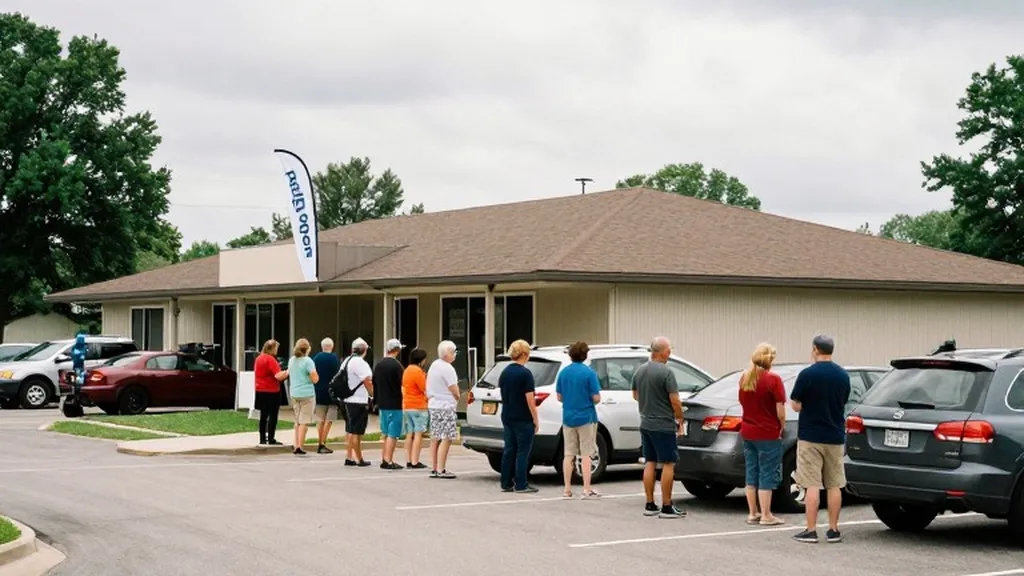
The U.S. Postal Service added hours, staff and special lines so mail ballots are counted on time.