Democrats' Sweep Reshapes Oversight of the Iran War
Democrats have secured a commanding majority in both chambers of Congress, setting the stage for a new era of oversight and debate over the ongoing conflict with Iran.
By Adrian Romano ·
Voters cast decisive ballots on Tuesday, November 3, 2026, handing Democrats a commanding sweep in the midterm elections that has shifted the balance of power in Washington and refocused national attention on the ongoing conflict with Iran. The election results, confirmed by Ballotpedia, show Democrats winning majorities in both the U.S. House and Senate, with at least 43 House seats and seven Senate seats changing hands to the Democratic column. This significant shift means that the party that campaigned heavily on oversight of the administration and a reevaluation of foreign policy priorities now holds the keys to the legislative agenda. The outcome is not merely a change in numbers but a mandate that has already begun to reshape the internal dynamics of both parties as they prepare for the next Congress.
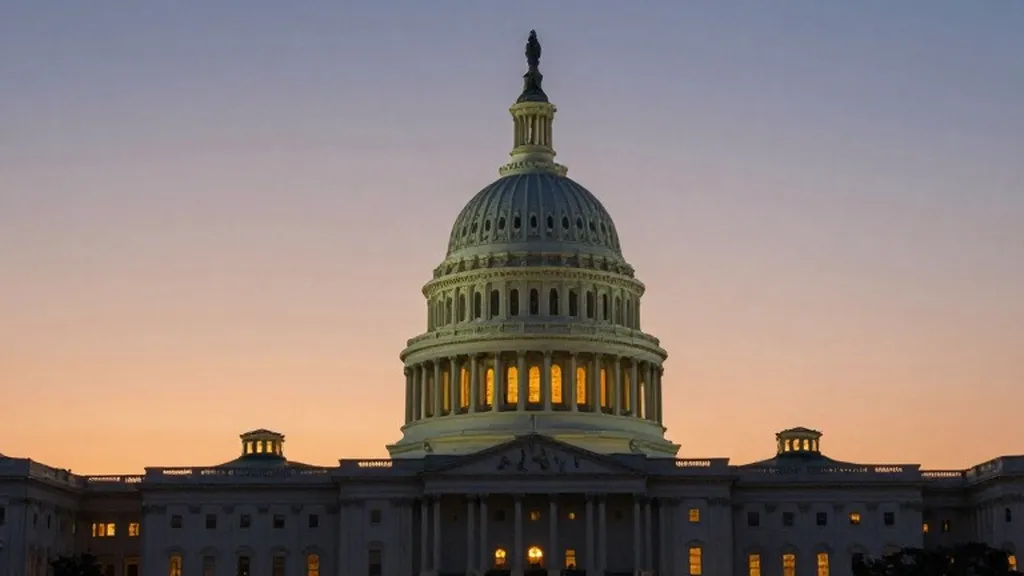
In the Senate, Democrats flipped at least seven seats previously held by Republicans, securing a majority of 54 to 44 as of 4:00 PM ET on November 6. This loss of majority for Republicans marks a significant political earthquake, placing the election in the top 20% of election years in terms of seat swings against a president’s party. The new Democratic majority is poised to take control of key committees, including those that oversee defense and foreign affairs. With the war in Iran continuing, the new leadership will have the immediate power to initiate oversight hearings and demand accountability from the executive branch. The speed of this transition suggests that questions about the strategic rationale and costs of the war will be central to the early legislative session.
Democratic Sen. Bernie Sanders, running as an independent from Vermont, signaled a new era of party leadership by announcing he would not support Sen. Chuck Schumer for the position of majority leader. Sanders joined Sen. Elissa Slotkin of Michigan at a news conference at the Capitol to call for a new generation of leadership and a vigorous debate about the party's direction. Sanders stated, "The time is now for change," emphasizing the need for a fresh approach to governance. This internal contest for leadership adds a layer of complexity to the Democratic agenda, as progressives push for a more assertive stance on issues like the cost of living and the conduct of the Iran war. The result is a party that is unified in its majority but divided on the tone and strategy of its new power.
Sen. Slotkin, who is not actively seeking the leadership role herself, explained that she wants to see potential leaders present a full plan regarding the priorities for the new majority. She said, "I'm a no until and unless I see that from anyone," a statement that reflects the high expectations among incoming Democrats for clear policy directions. This demand for clarity is likely to extend to the Iran conflict, where voters have expressed concern over the economic and human costs. The new leadership will need to articulate a coherent strategy that addresses these concerns while managing the military engagement. The pressure from the progressive wing, including Sen.-elect Abdul El-Sayed of Michigan, suggests that the debate over the war will be a defining feature of the upcoming Congress.
Meanwhile, Senate Republicans reelected South Dakota Sen. John Thune as leader of the GOP conference after a tense day of discussions about their steep losses. Thune, who is popular with his colleagues, faced frustration from members who felt the need for a change in course after losing at least seven Senate seats. Some Republicans, including Sen. Ron Johnson of Wisconsin, tried to delay the leadership decision, arguing that the conference needed time to reflect on the results. However, the vote proceeded, and Thune was expected to emphasize a collaborative approach as he navigates the new reality of being in the minority. His leadership will be crucial in setting the tone for Republican oversight of the Democratic majority and in managing the party's response to the Iran war.
The election results also highlighted the impact of the Iran war on voter sentiment in key districts. In Colorado's 5th district, Democrat Jessica Killin defeated Rep. Jeff Crank, tapping into veteran populations unsettled by the administration's approach to the military and the conflict. Killin, a former Army captain, capitalized on this sentiment to win a seat that had been a conservative stronghold. Similarly, in North Carolina's 9th district, former Army major Richard Ojeda defeated seven-term Rep. Richard Hudson, a race that underscored the growing influence of military veterans in local politics. These victories suggest that the war has become a decisive factor in swing districts, with voters favoring candidates who offer a different perspective on the conflict.
Democrats also made significant gains in state governments, winning a majority of governorships for the first time since before the 2010 elections. As of 4:00 PM ET on November 6, Democrats had won 22 of the 36 gubernatorial races, with five changes in party control from Republicans to Democrats. This expansion of Democratic power at the state level provides additional leverage in the national debate over the Iran war and other policy issues. The new state leaders will be in a position to influence federal policy and hold their own administrations accountable, further amplifying the message of the midterm voters. The breadth of these victories indicates a broad-based mandate for change that extends beyond the federal government.