Trump's $5,000 Dividend: A Campaign Gamble That Failed to Buy the Vote
Despite Speaker Johnson's pledge to pursue the massive payout, Democrats seized control of Congress after voters focused on cost of living and oversight.
By Adrian Romano ·
President Donald Trump’s pledge to send every American adult a $5,000 check, a policy he branded the "Trump dividend," served as a central theme of the Republican midterm campaign. The promise was made at the Republican Midterm Convention in Dallas, where Trump argued that the nation's economic success justified distributing cash directly to voters. He stated that if the Republicans won control of both the House and Senate, the dividend would be issued. The proposal was designed to buffer voter sentiment regarding high prices and economic hardship, but it ultimately did not prevent a significant shift in power in Washington.
The financial scale of the promise was massive. The U.S. Census Bureau estimates there are approximately 245 million adult U.S. citizens, meaning the payout would cost roughly $1.2 trillion. This figure places a heavy strain on a federal budget already facing a nearly $1.8 trillion annual deficit. Critics noted that the cost would spend almost all the revenue projected from new tariffs over a decade, according to Erica York of the Tax Foundation. The administration suggested that tariff revenues would be a primary funding source, a claim that has faced scrutiny given previous shifts in tariff policy.
Speaker Mike Johnson, the House Speaker, addressed the logistics of the promise in interviews ahead of the election. Johnson stated that congressional approval was necessary for the payments to proceed. He described the idea as creative and pledged that Congress would work to find consensus on the matter. However, the legal requirement for legislative action created a hurdle that the executive branch could not bypass alone. Johnson’s comments contrasted with earlier statements from Trump, who suggested the process might not require formal congressional authorization, though he did not specify how the spending would be authorized without lawmakers.
Democratic leaders and fiscal experts raised immediate questions about the sustainability of such a large one-time payment. Kenneth Rogoff, a former chief economist at the International Monetary Fund, warned that the U.S. is already running an unsustainable deficit. He argued that the dividend would increase the odds of a debt crisis in the coming years. This bipartisan criticism highlighted the tension between political promises and fiscal reality, particularly in an environment where interest rates are rising and consumer sentiment is weak.
Voters in the 2026 midterm election demonstrated a clear preference for oversight and cost management over large stimulus checks. The Associated Press Voter Poll indicated that three-quarters of voters felt the economy was not good or poor. About 8 in 10 voters reported that inflation had caused a severe or moderate financial hardship for their households. These concerns about the cost of living and the war in Iran were central to the electorate's decision-making process, often overshadowing the appeal of a direct cash payment.
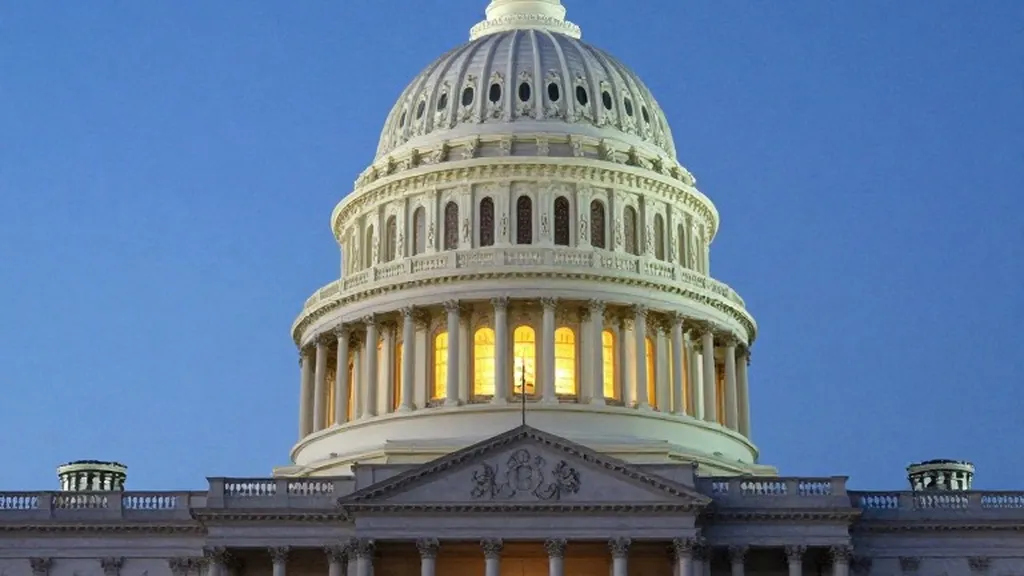
The election results on November 3, 2026, showed a decisive turn toward the Democrats. Democrats won majorities in both the U.S. House and the Senate, gaining at least 43 House seats and seven Senate seats. In the House, Democrats achieved a majority of at least 250 to 157, while in the Senate, they secured a 54 to 44 majority. This shift meant that the party controlling Congress would be the one to evaluate and potentially approve the legislation for the Trump dividend, a body that had just received a mandate for stronger checks on the administration.
Speaker Johnson had expressed confidence in his ability to manage the legislative process, noting that his party had delivered significant tax cuts and spending reductions in the previous term. However, the slim margin of victory for the Democrats in key districts suggested that the electorate was divided. The promise of the dividend, while popular in certain segments, was not enough to overcome broader dissatisfaction with the administration's handling of economic policy and foreign affairs.
Legal experts also weighed in on the nature of the promise. Rick Hasen, an election law professor at UCLA, noted that while the promise is likely legal under the First Amendment as a campaign pledge, it is distinct from a policy already in motion. He compared it to other historical promises that were made during campaigns but required subsequent legislative action to become reality. The fact that the payment was conditioned on an election outcome added a layer of political complexity to an already expensive proposal.
The White House maintained that the payments were easy to handle due to strong revenue from tariffs. Trump told reporters that the country was taking in $21 trillion in revenue, a figure he used to justify the spending. However, the administration had not announced a formal plan for how the checks would be distributed or the specific timeline for their arrival. This lack of detail led to uncertainty among voters who were weighing the promise against the immediate reality of rising grocery and gas prices.
Democratic leaders in the new Congress have already signaled their intent to use their oversight powers to scrutinize the administration's spending priorities. With control of both chambers, Democrats are positioned to decide whether the Trump dividend will be funded through new taxes, borrowing, or a combination of both. The promise, which was a centerpiece of the Republican campaign, now faces a legislative environment that is focused on fiscal responsibility and detailed review of executive actions.
The outcome of the election also highlighted the importance of redistricting and the political map. Democrats were able to flip several seats in states that had been considered solidly Republican, including victories in deep red states like South Carolina. This geographic expansion suggests that the discontent driving the election was broad and not limited to traditional Democratic strongholds. The $5,000 dividend, while a bold promise, did not alter the fundamental dynamics of the 2026 political landscape.