ECT patient recounts 24-session course and memory loss
A writer who received electroconvulsive therapy in 2021 argues the treatment should be prescribed earlier to reduce long-term depression and cognitive gaps.
By Gabriel Serrano ·
Twenty-four electrical sessions. That is the number of electroconvulsive therapy treatments one patient received in 2021, double the standard course of 10 to 12 sessions. The individual, a writer and musician, sought the procedure after years of severe depression and failed attempts with other medical interventions. By the time of the treatment, the patient described being close to giving up on life.
ECT remains a controversial option in American psychiatry. It is explicitly reserved for treatment-resistant cases. Before a doctor recommends ECT, they must determine that the patient has exhausted talk therapy and medication options. This often involves months of trying multiple classes of antidepressants, including SSRIs, tricyclics, tetracyclics, and MAOIs. Many patients do not know to ask for ECT, and physicians may be slow to prescribe it.
Harold Sackeim, a professor of psychiatry at the Medical University of South Carolina, noted the shift in clinical practice. "What we've done is essentially reserve ECT for the more and more resistant patients," Sackeim said. In the early days of electroshock, before the use of anesthesia and muscle relaxants, doctors considered ECT a first-line treatment. Lothar Kalinowsky, a U.S. pioneer of the method, stated in 1978 that five or six sessions could be effective. As psychopharmacology grew, ECT moved later in the treatment timeline, requiring longer courses of eight to ten sessions for many patients.
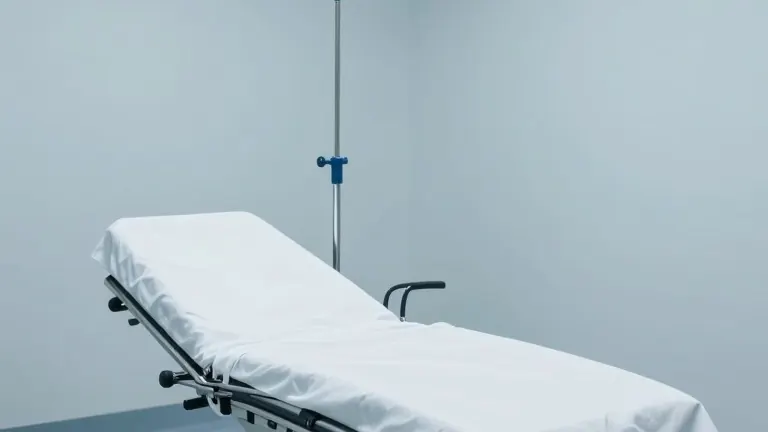
The patient in this account described the physical process in detail. Treatments occurred three times a week in the early morning. An anesthesiologist administered propofol and a muscle relaxant, causing the patient to lose consciousness before counting backward past 96. A conductive glue was applied to the temples to help electricity penetrate the skull. The patient woke in a nearby room, sometimes with headaches, sometimes feeling euphoric.
The extended course of 24 sessions resulted in measurable side effects. The patient could not summon certain memories from the previous six months or longer. However, the patient reported emerging from the depression much healthier than in years. The ability to write for an audience and play music in public returned. Crying fits stopped, and some lost memories eventually came back. The patient noted that ECT consistently spurs measurable growth in the hippocampus, a brain region that can shrink during sustained depression.
Neurologists and ECT specialists interviewed by the patient agreed that earlier intervention would have reduced the duration of unlivable depression. They also agreed that the patient would likely have experienced less memory loss. Depression itself often hampers memory, creating gaps before treatment begins. Receiving ECT earlier could have required fewer treatments while preserving more cognitive function. The patient has since gotten married and written a new book, five years after the final session.
Modern ECT involves anesthesia and muscle relaxants, differing significantly from historical applications. The procedure induces brain seizures to relieve depression. While side effects like memory loss are documented, emerging research suggests ECT also stimulates neurogenesis, the production of new neurons and supporting glial cells. The patient expressed a desire for future patients to access the treatment before their condition becomes critical.