Democrats seize control of Congress in sweeping midterm victory
The party wins at least 43 House seats and seven Senate seats, ending Republican majorities in both chambers and setting the stage for immediate oversight of the administration.
By Ricardo Whitaker ·
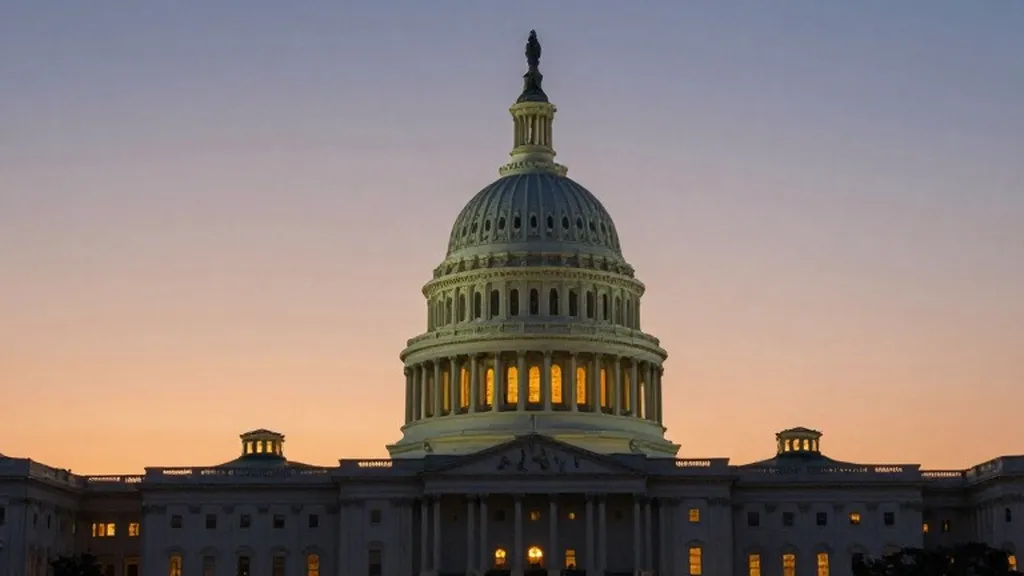
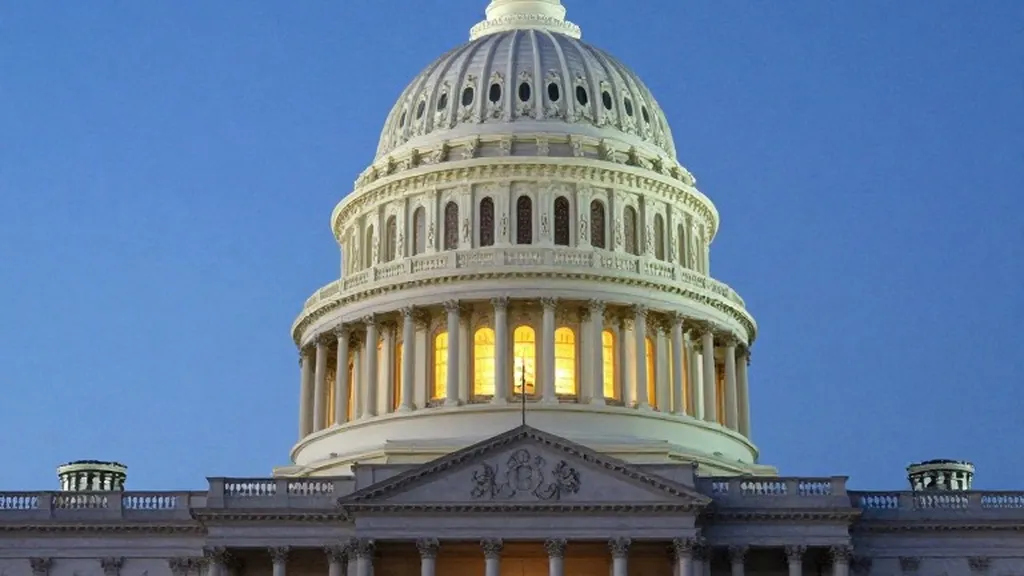
The midterm elections have concluded with a decisive shift in power in Washington, as Democrats secured majorities in both the U.S. House of Representatives and the U.S. Senate. According to Ballotpedia, the Democratic Party picked up at least 43 House seats, including 42 previously held by Republicans and one held by an independent, along with seven Senate seats that were all previously controlled by the Republican Party. With results continuing to be reported as of 4 p.m. EST on November 6, Democrats hold at least a 250-157 majority in the House and a 54-44 majority in the Senate. This outcome marks the first time since before the 2010 elections that Democrats have won a majority of governorships, while also securing a plurality of state government trifectas and state legislative chambers.
The net loss of at least seven U.S. Senate seats by Republicans places this election cycle in the top 20% of election years for seat swings against a president’s party. This threshold has been previously defined as a wave election, indicating a strong voter response to the current administration. While the U.S. House has not yet reached the specific seat loss mark required to qualify as a wave, the Republican net loss of 42 seats is significant. Uncalled races may still alter the final totals, but the immediate control of both chambers provides Democrats with a unified platform to address national priorities.
For voters concerned about the cost of living and health care, this shift in control offers a new avenue for legislative action and oversight. Democrats have long emphasized the need to address economic pressures and maintain access to essential services, and their majority status allows them to advance these agendas without the gridlock often experienced in a divided government. The new congressional leadership is positioned to prioritize these issues in the coming sessions, reflecting the concerns of the constituents who elected them.
The Iran war has been a central point of contention for voters, and the election results signal a demand for greater accountability in military and foreign policy decisions. With Democrats now controlling both chambers, they are expected to increase scrutiny of the administration’s actions in the region. This includes reviewing the roles of key officials and ensuring that military engagements align with constitutional authorities and strategic interests. The new majority provides the tools to hold the executive branch accountable for its decisions in Iran and beyond.
Oversight of the administration will likely be a top priority for the incoming Democratic leadership in Congress. With the power of the purse and investigative committees, the new majority can examine how federal funds are spent and ensure that agency actions align with legislative intent. This includes reviewing the dismantling of the U.S. Education Department and other policy shifts that have drawn criticism. Democrats can use their majority to launch investigations and issue subpoenas to gather information, providing transparency to the public about how the government operates.
The Republican money edge and redistricting efforts were significant obstacles that Democrats had to overcome to achieve this victory. Despite these challenges, the party managed to win a substantial number of seats across the country, demonstrating strong voter engagement and support. The results suggest that voters were motivated by their dissatisfaction with the current administration and a desire for change in congressional leadership. This victory underscores the power of grassroots organizing and effective campaign strategies in overcoming structural disadvantages.
In California, the election results highlighted the state’s complex political landscape, particularly regarding the influence of Catholic voters. Xavier Becerra, a Democrat and former U.S. health and human services secretary, won the governor’s race, becoming the state’s first elected Latino governor and the fifth consecutive Catholic governor. According to The AP Voter Poll, about 6 in 10 Catholic voters supported Becerra, while about 4 in 10 voted for his Republican opponent Steve Hilton. Latino Catholics showed strong support for Becerra, with about 7 in 10 voting for him, while white Catholics were split between the two candidates.
The election outcomes also set the stage for immediate action in the House, where Rep. Thomas Massie, a Kentucky Republican, moved to force a vote to impeach Defense Secretary Pete Hegseth. Massie read the impeachment resolution from the House floor just hours after the first day of sessions following the midterms. The resolution focuses on the war in Iran and includes references to Hegseth’s role in military actions in Yemen and Venezuela. Massie described Hegseth’s actions as high crimes and misdemeanors, stating that he knowingly executed and implemented unlawful orders and remains a threat to the Constitution.
President Donald Trump responded to the impeachment threat by lashing out at Massie, calling him a loser who has a lot of hatred in his heart. However, House Democratic Leader Hakeem Jeffries supports the measure, and if most Democrats follow him, Massie would only need support from a few Republicans to impeach Hegseth. A vote in the House could come by mid-week, though next steps remain uncertain. If the House votes to impeach, the Senate will be responsible for dismissing the charges or holding a trial. Republicans, who remain in the majority in both chambers until the new Congress convenes in January, expressed frustration at the timing of the move.
Democrats on the Senate Appropriations Committee are preparing to use the budgeting process to establish guard rails and prevent abusive practices by the administration. Sen. Chris Van Hollen, a Maryland Democrat, indicated that there will be an interest in using the power of the purse to condition federal funding and rein in the administration’s education agenda. This includes efforts to reining in the White House’s attempts to cut funding at universities like Harvard. While it may be difficult to fully reverse past decisions through appropriations bills, Democrats aim to prevent further damage and seek to reverse the harm that has already been done.