GOP loses historic majority as midterm wave reshapes Congress
Republicans ceded control of both chambers to Democrats after a sweep that many attributed to war costs and living expenses.
By Gabriel Serrano ·
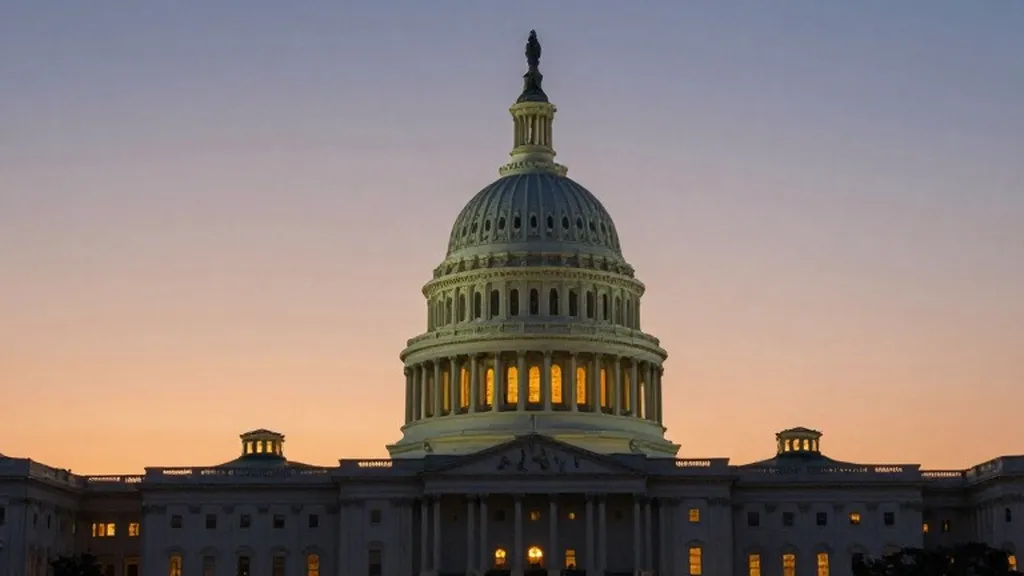
The midterm elections have delivered a decisive shift in power, with Democrats securing majorities in both the House and the Senate. This outcome aligns with a long-standing pattern where the president’s party typically loses seats in off-year votes. For the Republican Party, the result represents a historic wipeout that has forced an immediate reckoning with their future strategy. The loss of the House majority means that Democrats will now hold the power of the purse and the agenda-setting authority in the lower chamber. This structural change alters the dynamic for the remaining two years of President Donald Trump’s term.
Senate Republicans are grappling with the severity of their defeat, having lost at least seven seats in the election. The party is currently meeting to determine its future leadership, with South Dakota Senator John Thune expected to remain as the leader. Thune is running unopposed and maintains popularity among his colleagues, but the scale of the loss has prompted calls for deeper reflection. Wisconsin Senator Ron Johnson circulated a letter asking for a delay in the leadership elections to allow for soul-searching. He argued that the defeat demands change and that the party cannot continue on business as usual.
Several prominent Republicans have voiced their concerns about the direction of the party. Missouri Senator Josh Hawley described the election as an incredible repudiation of the Congress’s focus over the last two years. He cited specific policy areas, including reductions to Medicaid and rural hospital funding found in the sweeping tax cuts bill passed last year. Hawley noted that he had not heard an acknowledgment of these issues from leadership, which he found alarming. He emphasized the need for a different direction, particularly in ways to lower costs for Americans.
The loss of power in the House is equally significant, with Republicans moving to select a minority leader. The race is between House Majority Leader Steve Scalise of Louisiana and Judiciary Committee Chairman Jim Jordan of Ohio. This contest marks a familiar matchup, as both men previously sought the speakership after Kevin McCarthy was ousted. Neither secured the position at that time, which eventually went to Mike Johnson. Johnson is stepping aside from leadership in the new Congress, leaving the party to choose a new face for the minority.
Steve Scalise, sixty-one, has held key leadership positions since 2014 and recently recovered from multiple myeloma. In his pitch to colleagues, he emphasized his readiness to lead on Day One and his experience in delivering legislative wins. Scalise highlighted his fundraising prowess, noting that he raised sixty-seven million and nine hundred thousand dollars for the midterms. He stated that in competitive districts, every dollar counts and that his grassroots operation is the most prolific among House Republicans. He argued that these resources are critical to winning back the majority in future elections.
Jim Jordan, sixty-two, is a co-founder of the House Freedom Caucus and has chaired the Judiciary Committee for four years. He positioned himself as a candidate who understands the Democrats’ playbook for oversight. Jordan warned that the new Democratic majority would pursue numerous investigations of the Trump administration. He stated that his job cannot be merely to spotlight how radical the new Democratic Party is, but rather to ensure that offense, not defense, wins elections. This approach reflects his pugnacious reputation in committee hearings and his desire to lead the party back to power in 2028.
The election results are already influencing the behavior of the outgoing administration. Defense Secretary Pete Hegseth held a news conference to address the potential impeachment filed by outgoing Kentucky Representative Thomas Massie. Massie, who lost his primary to a Trump-backed opponent, filed the resolution on Monday. The resolution focuses largely on the war in Iran but also references military actions in Yemen and Venezuela. Hegseth defended his handling of the war, stating that no Secretary of Defense has ever been impeached for carrying out lawful military operations. He called the effort sabotage and argued that it undermines American forces in real time.
The conflict with Iran has been a central theme in the election narrative, with many Republicans blaming the war and its economic impact for their losses. President Trump told reporters that the war is militarily effectively over, although Iran continues to strike U.S. military bases in the Middle East. The conflict has disrupted shipping in the Strait of Hormuz and driven up global oil prices, contributing to the cost of living concerns that voters expressed. Hegseth released a video arguing that impeachment is about policy disagreements and that there are politically motivated people who disagree with success. He maintained that he is happy to litigate the military actions if necessary.
Democrats are now strategizing on how to best keep their momentum into next year, while Republicans work to confirm as many of Trump’s nominees as possible before the new Congress begins in January. The Senate is also considering bills on permitting and survivor justice, with a bipartisan vote on an energy permitting bill moving forward on Monday evening. The new leadership in both chambers will face the task of funding the government and identifying areas for cooperation. The midterm pattern has been reaffirmed, with the president’s party suffering significant losses that will shape the legislative landscape for the next two years.
The transition of power will involve a complex period of oversight and investigation, with Democrats expected to launch probes into the administration. The Republican minority will need to establish its strategy for challenging the new majority while maintaining cohesion. The election results serve as a clear signal of voter dissatisfaction with the previous Congress’s priorities, particularly regarding healthcare and economic costs. As both parties prepare for the new session, the focus will be on rebuilding and adapting to the changed dynamics in Washington. The historical trend of the president’s party losing seats has once again proven to be a reliable indicator of the political mood.