Democrats gain control of Congress as Trump vows fierce oversight fight
House and Senate results give Democrats majorities, setting the stage for aggressive investigations into the executive branch and key battles over cost of living and accountability.
By Gabriel Serrano ·
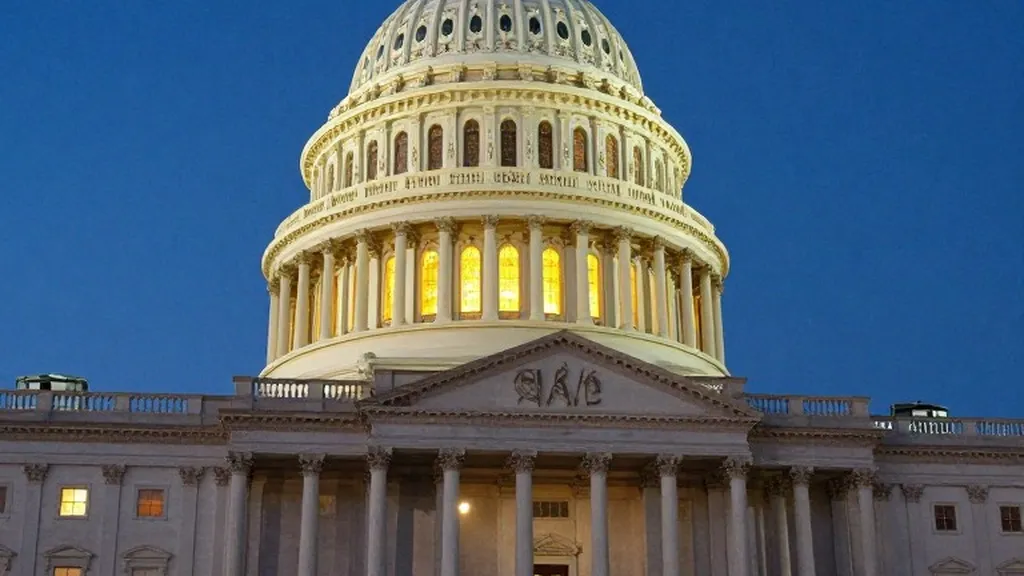
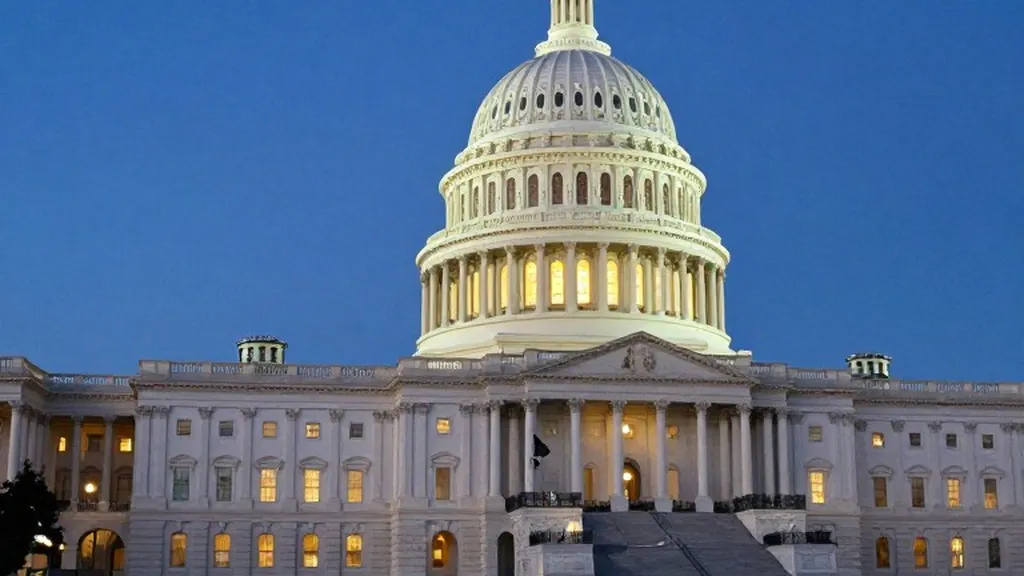
Democratic voters secured decisive victories in Tuesday's midterm elections, gaining healthy majorities in both the House and the Senate. These results represent a significant shift in the balance of power in Washington, granting the party the institutional leverage to pursue a rigorous agenda of oversight and legislative action. The outcome reflects a broad national mandate for increased accountability from the executive branch, a sentiment strongly felt among voters who expressed frustration with the current administration's handling of domestic and foreign policy issues.
The most immediate consequence of these results is the anticipated conflict between the new congressional leadership and the White House. President Donald Trump has already taken a combative stance toward the incoming Democratic majority. On social media, he declared that the investigative requests already made by Democrats constitute "extortion at the highest level," signaling that he expects the two branches to engage in intense conflict throughout the next two years. This rhetoric sets a high-stakes tone for the relationship between the presidency and Congress as the new session begins.
Attorney General Todd Blanche reinforced the administration's defensive posture by stating that criminal investigations of Democrats are possible. He argued that lawmakers are not allowed to threaten existing members of the administration or companies, a position he said aligns with the President's concerns. This statement suggests that the Justice Department may take an active role in scrutinizing the conduct of congressional leaders, further complicating the already fraught dynamic between the branches of government.
Democratic leaders are preparing to respond with force. Rep. Robert Garcia, who is poised to chair the powerful House Oversight Committee, described the administration as the "Trump crime family" and vowed that the days of Democrats not fighting back are over. His comments underscore the party's intent to use its new majorities to launch aggressive investigations into the executive branch. This approach is designed to fulfill the promise made to voters during the campaign that Congress would serve as a robust check on presidential power.
Democratic House leader Hakeem Jeffries emphasized that impeachment is an option if those in power are shortchanging or stealing from the American people. Jeffries, who is on the cusp of becoming the nation's first Black House speaker, indicated that Democrats would be discussing a pending resolution to impeach Defense Secretary Pete Hegseth. He stated he is a "hard yes" on the resolution, highlighting the party's willingness to use constitutional tools to hold administration officials accountable for their actions.
Despite the aggressive tone, some new Democratic senators have expressed caution about allowing conflict with the President to define the entire agenda. Sen.-elect Adam Hamilton, the first Democrat elected to the Senate from Kansas in 94 years, expressed skepticism about impeachment. He noted that his campaign was about bringing people together and that he does not want the next two years to be spent dividing the country further. Hamilton indicated he is more interested in setting up guardrails than pursuing immediate impeachment, reflecting a desire to balance accountability with effective governance.
Sen. Bernie Sanders, a Vermont independent who caucuses with Democrats, also warned against spending all of Congress's time investigating the President. He emphasized the need to stand up for working-class families and make a real difference in their lives. This perspective resonates with voters who are concerned about the cost of living and other economic issues. The challenge for the new Democratic leadership will be to manage the tension between the push for accountability and the need to deliver tangible results for constituents.
The election results also highlight the importance of specific policy issues that drove voter turnout. Nationally, about six in ten voters said the administration's actions on immigration enforcement had gone too far, according to survey data. This finding suggests that while oversight is a major focus, the Democratic majority will also need to address pressing domestic concerns such as immigration and the cost of living to maintain its electoral support. The ability to deliver on these promises will be critical to the party's success in the coming years.
In New Mexico, Democrat Deb Haaland was elected as the state's first female Native governor. She is tasked with making good on campaign promises to make life more affordable for struggling New Mexicans and addressing persistently poor education outcomes in the state. Her victory adds to a wave of historic firsts in the 2026 elections, including the election of the first woman president of the Navajo Nation and the first Native American woman elected to the U.S. Senate. These milestones reflect a broader trend of diverse representation in government, which Democrats hope will translate into more inclusive policy-making.
The new congressional leadership faces the difficult task of balancing its oversight mandate with its legislative agenda. While the administration has signaled resistance, Democrats believe their majorities provide the necessary tools to hold the executive branch accountable. As they return to the Capitol, the focus will be on translating the mandate from voters into concrete actions that address the concerns of working-class families and ensure that the government serves the American people effectively.