Trump's $5,000 'dividend' faces reality check as Democrats take Congress
The president promised checks for adults if Republicans kept Congress, but the party lost both chambers, leaving the funding plan unclear.
By Ricardo Whitaker ·

President Donald Trump has pledged a $5,000 payment to every adult citizen in the United States, a promise he made at the Republican National Committee's midterm convention in Dallas. The offer, branded as the Trump Dividend, was explicitly conditioned on the Republican Party maintaining control of both the House of Representatives and the Senate in the November elections. With the 2026 midterm results now confirmed, the political landscape has shifted significantly, complicating the path to delivering on this substantial financial commitment.
According to verified election results from Ballotpedia, Democrats secured majorities in both federal chambers. As of November 6, Democrats held at least a 250 to 157 majority in the House and a 54 to 44 majority in the Senate. This outcome means Republicans lost control of both bodies, triggering the condition under which the president said the dividend would not be automatically issued. The loss of the House, where Democrats gained at least 43 seats, is particularly significant given that the Speaker of the House holds considerable power over the legislative process.
During his nearly two-hour speech in Dallas, Trump told the crowd, If the Republicans win, you win with us and you get $5,000. He described the rationale as a reward for the country's tremendous economic success, comparing the government's action to a company distributing cash to shareholders. Trump also noted that the administration had already provided military members with checks for $1,776 in December, framing the new dividend as a similar gesture of gratitude to the broader American public.
However, the mechanism for paying such a large sum remains a subject of debate. House Speaker Mike Johnson, who represented the party's leadership in the House, stated on Sunday that the proposal needs congressional approval. Johnson said, I would assume, yes, he'd need Congress to act, and that's a creative idea. This comment came after Trump previously suggested in an interview with CBS News Texas that Congress might not need to authorize the payments, though the president did not specify how he could spend more than $1 trillion without lawmakers' sign-off.
The cost of the dividend is substantial. The U.S. Census Bureau estimates there are about 245 million U.S. citizen adults, which would make the total cost of the checks approximately $1.2 trillion. This figure exceeds the annual federal budget deficit, which is currently near $1.8 trillion. Fiscal experts have raised concerns about the impact on national debt and inflation, noting that the government would need to find new revenue sources or cut spending to cover the expense without adding significantly to the debt load.
One proposed funding source is tariff revenue. Vice President JD Vance told Fox News that some of the money would come from tariffs. However, the Tax Foundation, a nonpartisan think tank, has noted that the projected tariff revenue is unlikely to cover the full cost of the checks. Erica York, a senior economist at the Tax Foundation, wrote that the cost would spend almost all the revenue that the new tariffs are projected to bring in over a decade. This mathematical challenge adds to the skepticism surrounding the feasibility of the plan.
Bipartisan criticism has emerged regarding the timing and nature of the promise. Some Republicans, including Texas Congressman Chip Roy, questioned the price tag, writing that dependency is evil and soul-sucking in all its forms. Democrats argued that the promise felt like an attempt to buy votes in the final days of the campaign. Election law expert Rick Hasen from UCLA noted that while the promise is likely protected by the First Amendment as campaign rhetoric, the practical execution requires legislative action that is now more difficult given the change in congressional control.
PolitiFact has assessed the likelihood of the payment, finding that the biggest payment is far from certain. The fact-checking organization highlighted that the White House had not announced a formal plan for how Americans would receive the checks or exactly where the money would come from. They noted that while Senator Bernie Moreno of Ohio said he would introduce legislation to fund the proposal, political analysts believe such a bill is unlikely to attain the required 60-vote supermajority in the Senate, a threshold that is now even harder to reach with a Democratic majority in the chamber.
The shift in power brings additional obstacles. With Democrats now leading both the House and the Senate, the legislative path for the Trump Dividend has become more complex. Democratic leaders have signaled a focus on oversight and cost-of-living issues, suggesting they may scrutinize any new spending proposals from the executive branch. The president's team has defended the plan, with White House spokesperson Davis Ingle stating that Trump has consistently proven his doubters wrong. Nevertheless, the structural change in Congress means the administration must now negotiate with a party that did not vote to keep the Republican majority in place.
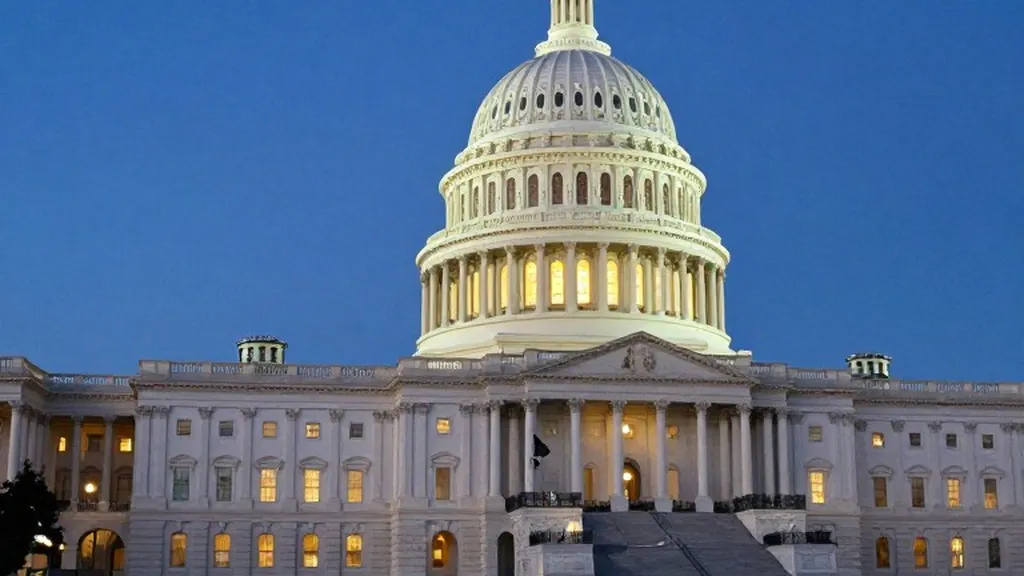
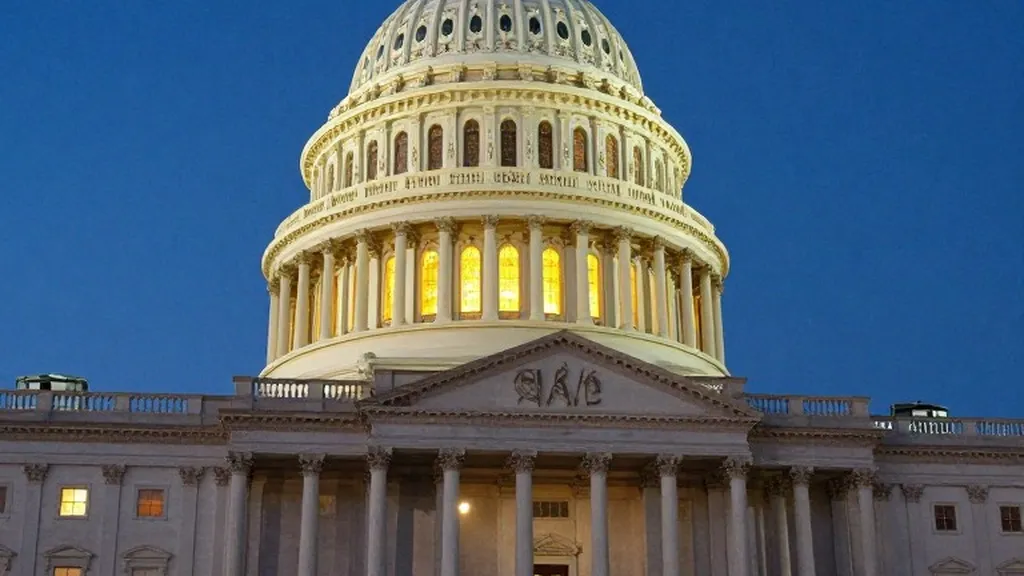
As the new Congress prepares to convene, the fate of the $5,000 checks will depend on whether the White House can secure bipartisan support or if the president chooses to pursue the payment through other means. The promise has become a central talking point in the transition, with voters and analysts watching to see if the administration can bridge the gap between the political pledge made in Dallas and the legislative reality of a Democratic-controlled Capitol.
The situation underscores the tension between executive ambition and legislative power. While the president retains the ability to propose policy, the power of the purse remains with Congress. With the midterm results confirming a decisive shift toward the Democratic Party, the administration faces a new dynamic in which its major economic promises must be vetted by a chamber that the president's party did not retain.