Early Vote Surges as Both Parties Bet Everything on Turnout
With 57 million ballots already cast, party leaders argue that ground game and voter enthusiasm will decide the fate of Congress.
By Adrian Romano ·
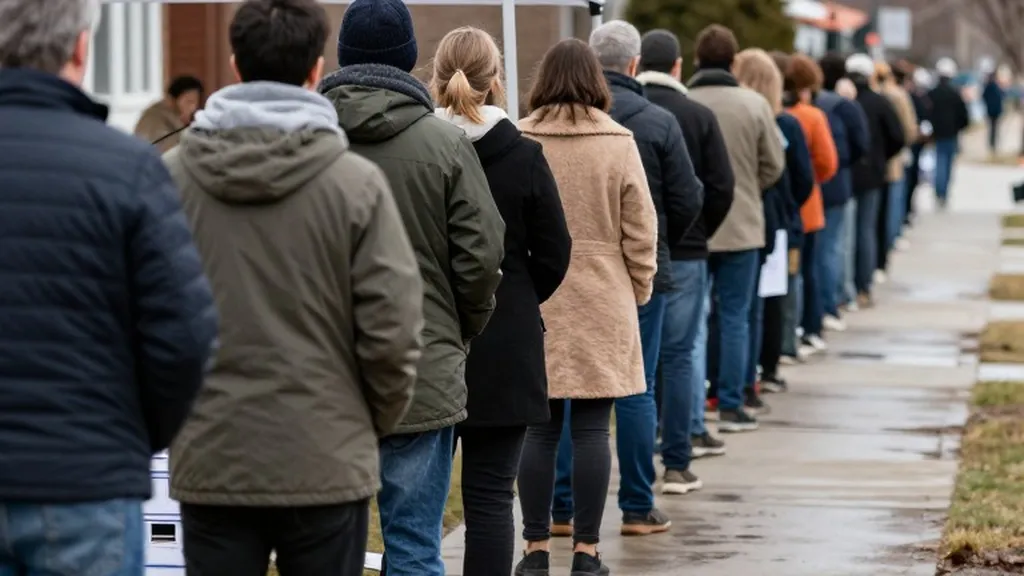
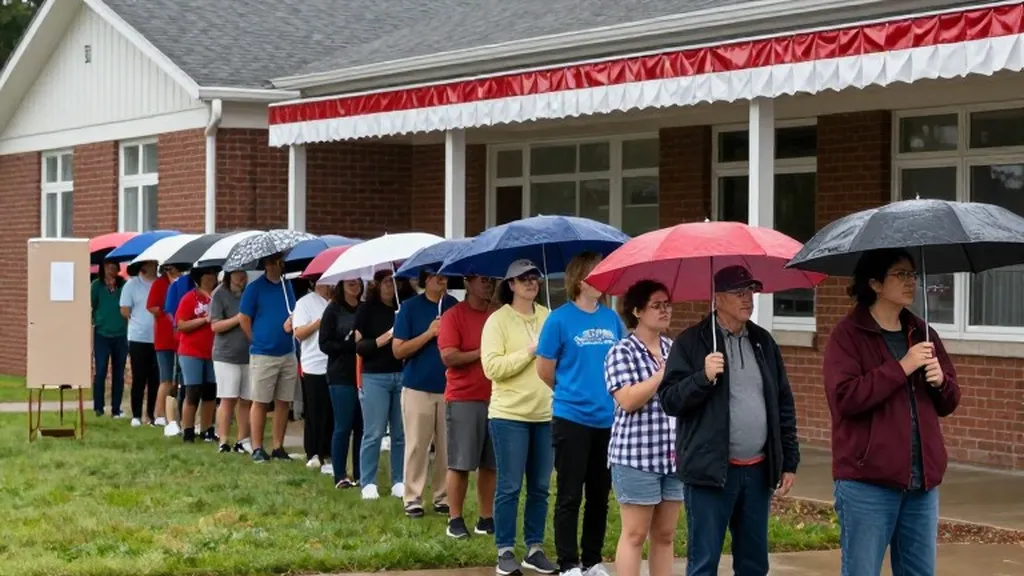
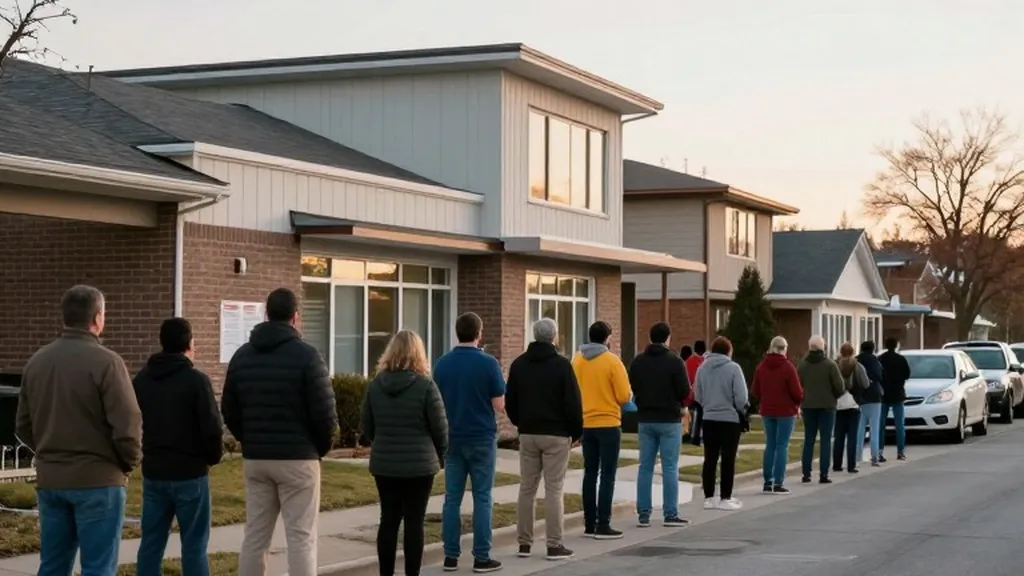
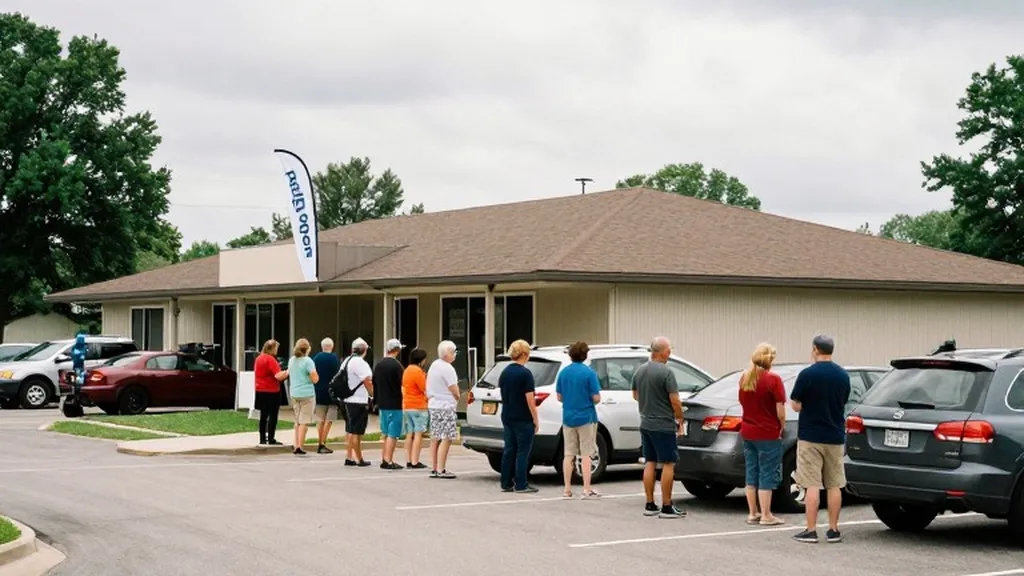
The midterm election has arrived with a level of pre-vote activity that exceeds recent historical benchmarks. According to data, more than 57 million people had already voted as of Monday, surpassing the early vote totals seen four years ago in many closely watched states. This surge sets the stage for a contest where the final margin of victory may be determined more by the volume of turnout on Tuesday than by the shifting of new voters. With polls open across the nation, the focus has shifted from persuasion to the logistical and strategic challenge of ensuring that committed supporters actually cast their ballots.
Both political parties are framing the election as a decisive referendum on the current administration's second term. The Associated Press describes the mood as one where voters are struggling with high prices and are angry over an unpopular war with Iran. In this context, the race has become a direct test of whether the public will reward or punish the party in power. Democrats are cautiously optimistic, pointing to the desire for change among frustrated voters. Republicans, meanwhile, are bracing for potential losses in the House while fighting to hold the Senate. The stakes are high, with one or two seats potentially tipping the balance of either chamber.
The ground game is central to the strategy of both campaigns. Joe Gruters, the chairman of the Republican National Committee, emphasized the critical nature of mobilization. He stated, "Everything depends on turnout. If we turn out our voters, we win, and that's what we've been planning for." This sentiment reflects a broader Republican strategy that relies on high enthusiasm and disciplined voter contact. The party is counting on its base to show up in force, particularly in the battleground districts where the margins are thin and every vote matters.
On the other side, Suzan DelBene, the chair of the Democratic Congressional Campaign Committee, is leaning on the anger of the American people to drive turnout. She noted, "The American people are angry. They want change." This message resonates with voters like James Moore, a 57-year-old librarian in Raleigh, North Carolina, who cited the rising cost of living as his primary motivator. Moore said, "I'm paying more taxes. I'm paying more for my healthcare. I'm paying more for everything." For Democrats, the strategy is to keep this economic anxiety at the forefront of the conversation until the polls close.
The financial resources behind the campaigns have created a distinct dynamic in how the election is being fought. The 2026 elections are likely to be the most expensive in history. While Republican committees have outraised and outspent their Democratic counterparts, helped by Trump-affiliated groups and Elon Musk, Democrats have outraised their opponents at the candidate level. This discrepancy has led to a focused spending strategy by Republicans. Analysis of AdImpact data shows that 88.1% of Republican general election TV ad spending went to states and districts Trump won in 2024. This includes more than $850 million spent in areas where he won by 10 points or more, a strategy aimed at protecting their existing base.
Despite the financial edge, Republicans face structural obstacles that could complicate their efforts to hold power. The party tried to beat the traditional midterm pattern, where a president's party almost always loses seats, through redistricting. New congressional maps in six states, including California, Florida, and Texas, were drawn with the hope of creating safer Republican seats. However, the effectiveness of these maps is being tested as voters head to the polls. In some of these new districts, the results may not align with the expectations of the party that drew them, adding an element of uncertainty to the Republican strategy.
The Democratic strategy relies on a different set of strengths. They are counting on the natural lean of the electorate in many competitive districts and the desire for oversight of the administration. If Democrats gain control of even one chamber, investigations and possible impeachment proceedings become likely. House Democratic Leader Hakeem Jeffries has outlined a 100-day agenda focused on the cost of living and oversight, signaling a clear plan for what a Democratic win would look like. The party is also looking to this election as a boost for potential 2028 candidates, including Gavin Newsom, JB Pritzker, and Pete Buttigieg.
The emotional temperature of the race is high, driven by President Donald Trump's active involvement. He has held dozens of rallies, ending his schedule Sunday in Salina, Kansas, where he told the crowd, "I really want you to pretend I'm on the ballot." His presence has energized his base but has also led some Republican candidates to keep a slight distance. The president has continued to make claims about voting fraud, including that noncitizens vote in large numbers, which has added to the tension surrounding the election. His administration has sued in Alaska and California, and Democrats fear interference and intimidation as the Justice Department threatens to prosecute local election officials.
Voters on the ground are expressing a mix of support and frustration. Mark Barker of Palm Beach Gardens, Florida, said, "I've just been following Trump the whole time. I really think he's doing an awesome job." His view is shared by many in the Republican base, who see the president as a strong leader. However, the opposing view is equally strong among Democrats and independents who feel the economic burden is too heavy. This division highlights the polarized nature of the electorate and the importance of turnout in determining the final outcome.