Senate math: Democrats need four seats to reclaim oversight
With 35 seats in play, the path to a majority is defined by specific margins in battleground states and the high cost of holding the chamber.
By Adrian Romano ·
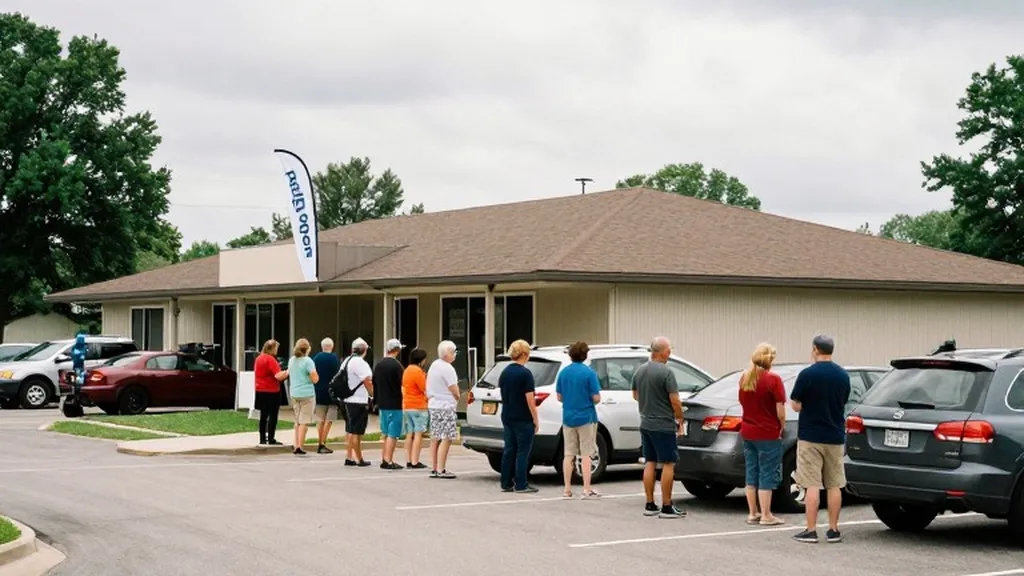
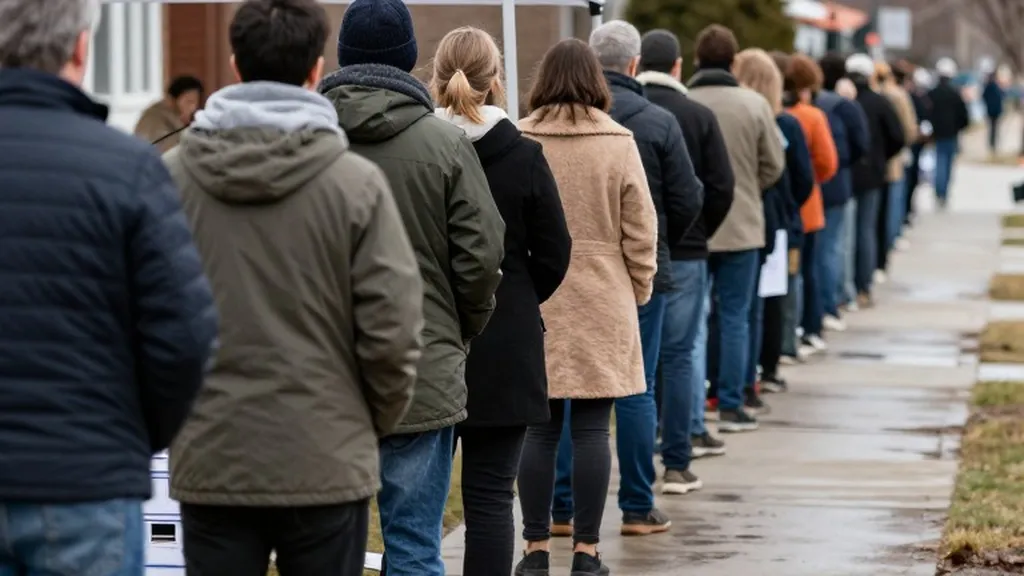
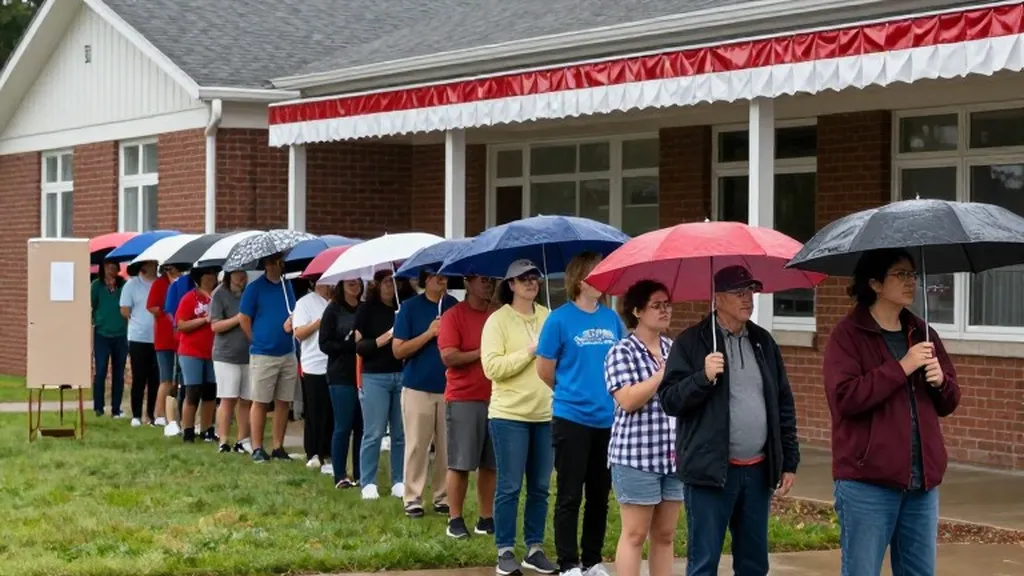
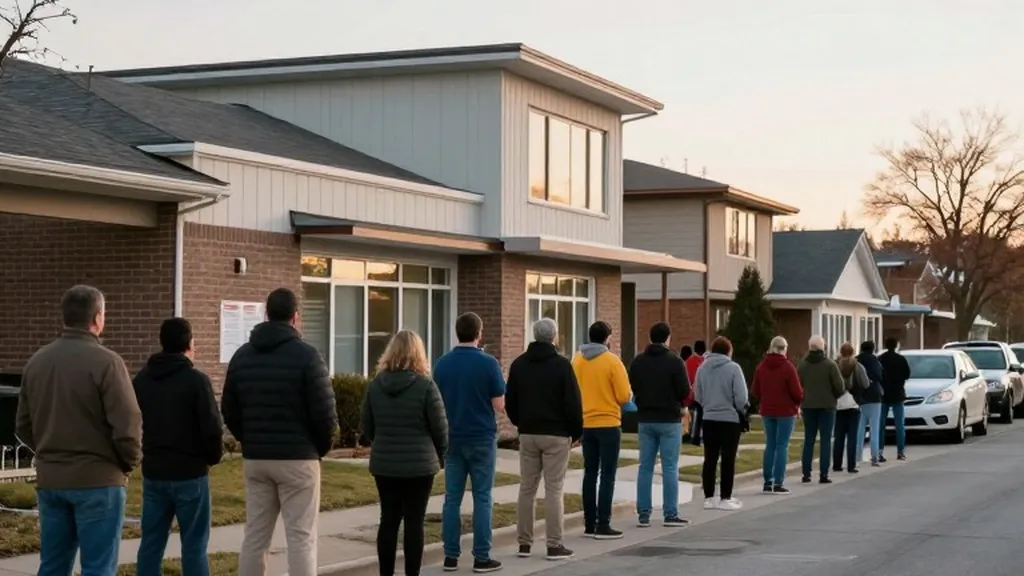
Voters across the nation are heading to the polls on Tuesday, November 3, 2026, to decide the balance of power in the United States Senate. This midterm election, held halfway through President Donald Trump's second term, will determine which party controls the chamber for his final two years. Thirty-five of the 100 Senate seats are up for grabs, comprising 33 regular elections and two special elections for the remainder of the terms previously held by Marco Rubio of Florida and JD Vance of Ohio. The outcome will shape the ability of lawmakers to conduct oversight and pass legislation during a period of significant political tension.
Currently, Republicans hold a 53 to 47 majority in the Senate, with 53 seats held by their party and 45 seats held by Democrats, who include two independent members who caucus with them. For Democrats to seize the majority, they must achieve a net gain of four seats. In contrast, Republicans can afford to lose only two seats and still retain control. The margin for error is slim, making the 13 races identified as battlegrounds by Ballotpedia critical to the overall outcome. These races span a variety of states with different voting patterns from the 2024 presidential election.
The battleground landscape includes contests in Alaska, Florida, Georgia, Iowa, Kansas, Maine, Michigan, Montana, Nebraska, New Hampshire, North Carolina, Ohio, and Texas. In these states, the 2024 presidential margins varied significantly, ranging from Trump victories of more than 13 points in Alaska and Iowa to Harris victories in Maine and New Hampshire. As of October 27, Maine is considered a toss-up by all four organizations. Iowa is rated as a toss-up or tilting Republican, while Kansas is seen as a toss-up to leaning Republican.
Other key races show mixed ratings. Alaska and Michigan are viewed as toss-ups to leaning Democratic, while Georgia is considered leaning to likely Democratic. The Associated Press has highlighted specific matchups that could be decisive. In North Carolina, former Governor Roy Cooper is challenging former Republican National Committee chair Michael Whatley in the seat vacated by retiring Senator Thom Tillis. In Georgia, Senator Jon Ossoff is running against Representative Mike Collins. In Ohio, former Senator Sherrod Brown is facing incumbent Senator Jon Husted in the special election.
Financial resources play a major role in these campaigns, with the 2026 elections expected to be the most expensive in history. Republican committees outraised and outspent Democratic committees at the national level, aided by Trump-affiliated groups and Elon Musk. However, at the individual candidate level, Democrats managed to outraise their opponents. A significant portion of Republican general election television advertising, specifically 88.1 percent, was directed toward states and districts that Trump won in 2024. This included more than 850 million dollars spent in areas where he won by 10 points or more, signaling a strategy to consolidate support in friendly territory while defending vulnerable seats.
The mood among voters is shaped by the cost of living and the administration's handling of foreign policy. The Associated Press describes the election as a referendum on Trump's second term, noting that voters are struggling with high prices and are angry over an unpopular war with Iran. Recent polling indicates that 35 percent of U.S. Adults approve of Trump's job performance, while only 25 percent approve of his handling of the economy. Approximately seven in 10 respondents said the country is heading in the wrong direction, with most blaming the president for rising costs. This sentiment is reflected in statements from voters who cite increased taxes and healthcare costs as primary concerns.
Democrats are described as cautiously optimistic, with party leaders emphasizing the desire for change. DCCC Chair Representative Suzan DelBene stated that the American people are angry and want change. If Democrats win even one chamber, investigations and possible impeachment proceedings become likely. House Democratic Leader Hakeem Jeffries has outlined a 100-day agenda focused on the cost of living and oversight, positioning himself as the first Black speaker if his party gains the House. A strong Democratic performance would also boost the profiles of potential 2028 presidential candidates, including Gavin Newsom, JB Pritzker, and Pete Buttigieg.
Republicans are bracing for the possibility of losing the House while fighting to hold the Senate. RNC Chairman Joe Gruters noted that everything depends on turnout, asserting that if they turn out their voters, they will win. Trump held dozens of rallies in the lead-up to the election, ending his schedule in Salina, Kansas, where he urged voters to pretend he was on the ballot. His administration has continued to assert influence through legal challenges, including lawsuits in Alaska and California related to voting certification and noncitizen voting. A federal judge temporarily barred the administration from implementing a plan to prevent noncitizen voting, a move critics say risks disenfranchising eligible voters.
The administration also sought to demand that California election officials segregate ballots cast by people on lists of suspected noncitizens, but a judge ordered them to stop. The U.S. Postal Service added hours, staff, and special lines to ensure mail ballots are counted on time. Wall Street is watching these results closely, as Reuters notes that the outcome could add to investor concerns about AI spending and debt ceiling negotiations. The stakes extend beyond congressional control, potentially affecting the political path of Vice President JD Vance and the broader trajectory of the Republican party.