Record Spending Defines 2026 Midterms as Parties Battle for Congressional Control
The 2026 election is set to be the costliest in history, with a stark divergence in how Republican committees and Democratic candidates allocated funds across the country.
By Ricardo Whitaker ·
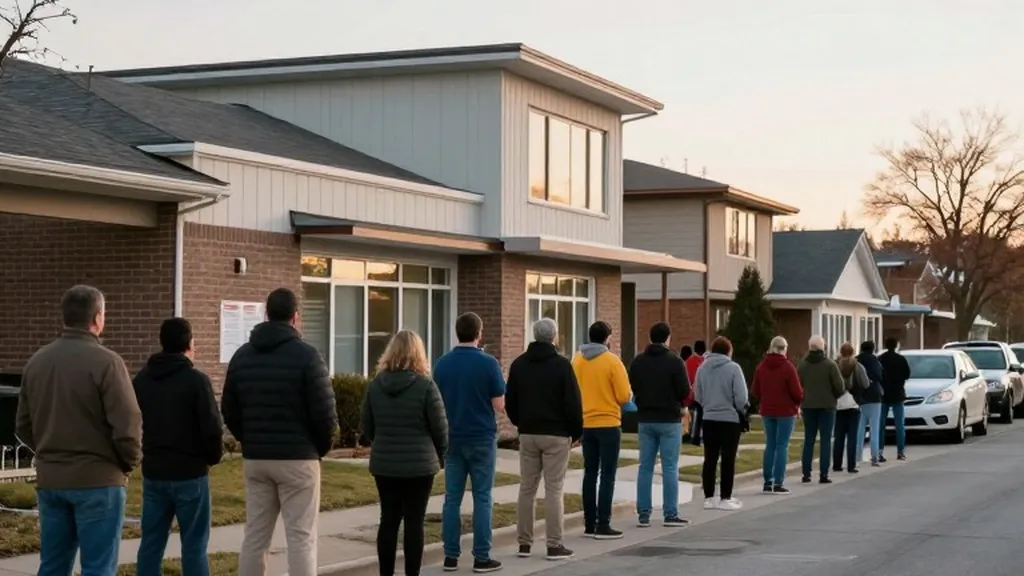
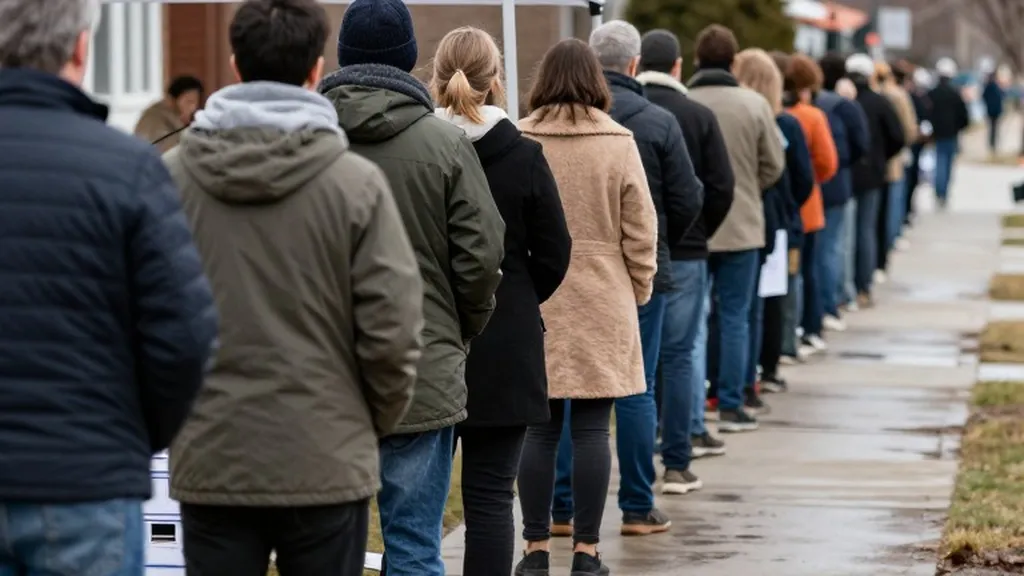
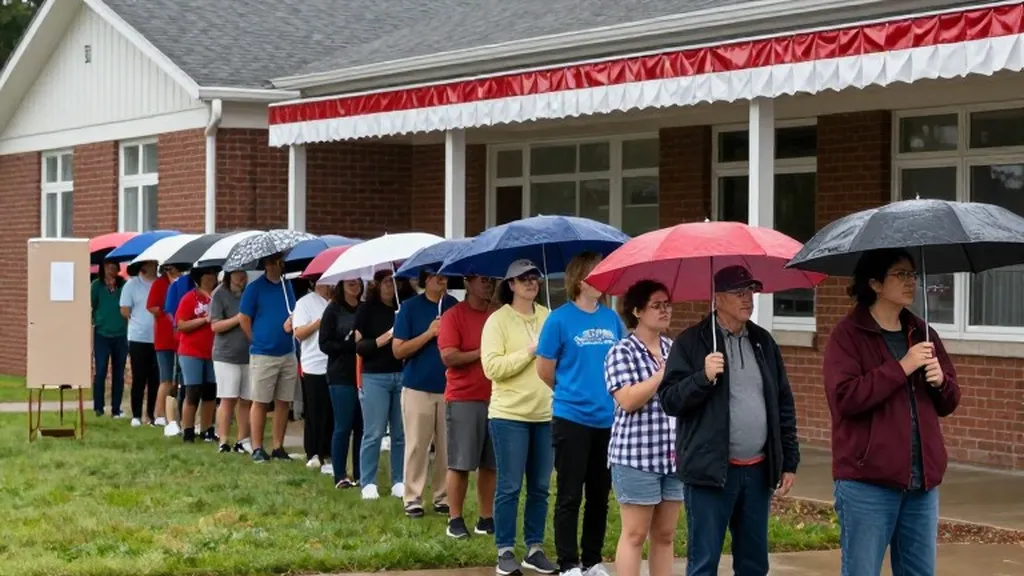
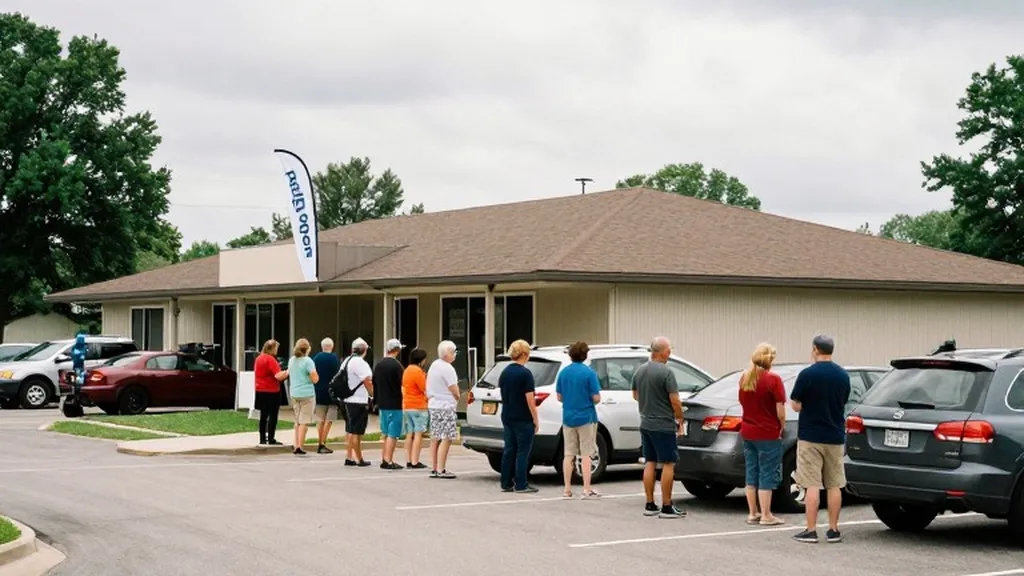
As voters head to the polls on Tuesday, November 3, 2026, the financial scale of the midterm election has reached historic levels. This cycle is likely to be the most expensive in American history. The sheer volume of money involved has created a complex landscape where the flow of funds at the committee level and the candidate level tells two different stories. This financial intensity reflects the high stakes of determining who controls Congress for the final two years of President Donald Trump's second term.
Republican committees have outraised and outspent their Democratic counterparts. This advantage was significantly bolstered by support from Trump affiliated groups and the personal contributions of Elon Musk. In contrast, Democratic candidates managed to outraise their individual Republican opponents at the candidate level. This divergence highlights a strategic split in how each party deployed its resources, with Republicans relying heavily on super PACs and party committees while Democrats focused on direct support for specific races.
A detailed analysis of television advertising data reveals a concentrated strategy by the Republican side. Eighty eight point one percent of all Republican general election TV ad spending was directed toward states and districts that Trump won in the 2024 presidential election. Within those regions, more than 850 million dollars was spent in areas where the president won by a margin of ten points or more. This targeted approach suggests a focus on solidifying the base and protecting key seats in areas that already lean heavily Republican.
For many Democratic voters, the high cost of the election mirrors the daily financial pressures they face. The Associated Press describes the election as a referendum on the administration, with voters struggling with high prices and expressing anger over an unpopular war with Iran. James Moore, a 57 year old librarian in Raleigh, North Carolina, cited these pressures directly, noting that he is paying more in taxes, for health care, and for everything. His sentiment captures the mood among those who view this election as a chance to shift power in Congress to address the cost of living.
Despite the Republican advantage in committee spending, Democrats have maintained a cautiously optimistic tone. Rep. Suzan DelBene, the chair of the Democratic Congressional Campaign Committee, stated that the American people are angry and want change. This sentiment is supported by polling data NORC, which found that 35 percent of U.S. Adults approve of Trump's job performance. Furthermore, about seven in ten adults believe the country is heading in the wrong direction, with most blaming the president for high prices. These figures provide a backdrop for the Democratic push to gain control of at least one chamber of Congress.
The stakes for Democrats are mathematically precise. To secure a majority in the House, Democrats need a net gain of three districts, as they currently hold 214 seats to the Republican 218. In the Senate, a net gain of four seats is required to flip the chamber from Republican control. Ballotpedia identifies 46 battleground districts in the House and 13 competitive Senate races. The outcome in these specific contests will determine whether the administration faces a unified Congress or a divided one, with significant implications for oversight and legislation.
Republicans, led by RNC Chairman Joe Gruters, are focused on turnout as the primary driver of success. Gruters noted that if they turn out their voters, they will win, a strategy that has been central to their planning. However, the party faces the historical midterm disadvantage where the president's party typically loses seats. They attempted to counter this trend through redistricting, with new congressional maps implemented in states including California, Florida, Texas, and Ohio. Yet, these new districts may not vote as originally drawn, adding a layer of uncertainty to the Republican strategy.
The role of Elon Musk in the funding gap has been a notable aspect of this cycle. His contributions helped fuel the Republican committee edge, allowing for a broader advertising presence in key states. This financial firepower allowed Republican committees to outspend Democrats despite the candidates' individual fundraising success. The result is a media environment where Republican messaging is heavily concentrated in Trump leaning areas, potentially influencing voters in safe seats while leaving some competitive districts with less direct party committee support.
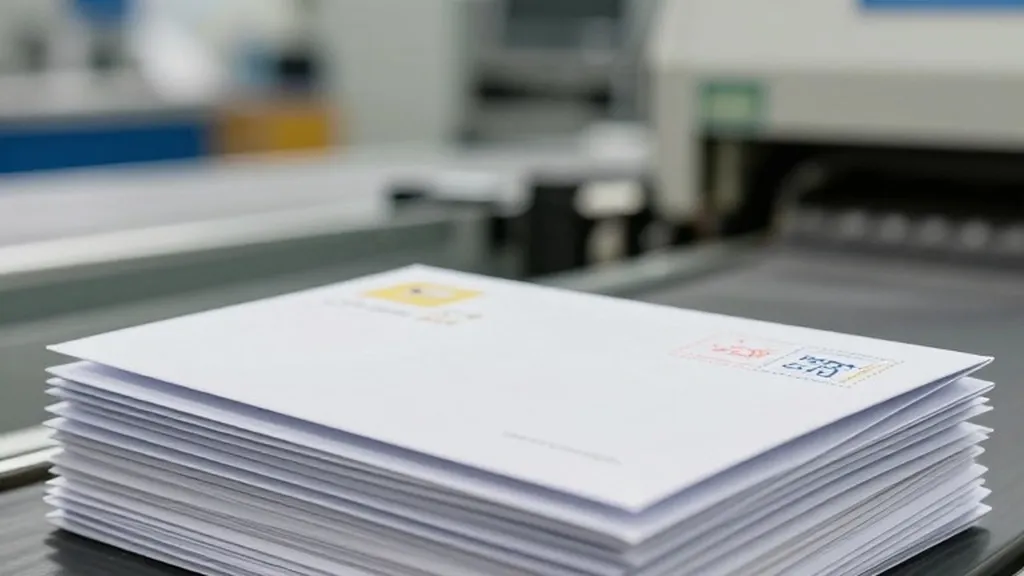
As polls open, the focus shifts from the money spent to the votes cast. More than 57 million people had already voted as of Monday, surpassing early vote totals from four years ago in many closely watched states. The Postal Service has added staff and hours to ensure mail ballots are counted on time, addressing logistical concerns that have arisen during this high turnout period. The financial battle has set the stage, but the final outcome will depend on voter behavior in the 46 House battlegrounds and 13 Senate races identified by Ballotpedia.
If Democrats win control of either chamber, investigations and possible impeachment proceedings become likely. House Democratic Leader Hakeem Jeffries has outlined a 100 day agenda focused on the cost of living and oversight, signaling the priorities that would guide a Democratic majority. For Republicans, holding the Senate remains a critical goal, with the party able to lose only two seats to maintain its majority. The interplay between the massive funds deployed and the specific geographic targets of those funds will be analyzed in the coming days as results begin to emerge.