Democrats seize Congress as Iran war reshapes 2026 political landscape
With a House majority and key Senate gains secured, the new Democratic leadership faces immediate questions about the ongoing conflict with Iran and oversight of the executive branch.
By Gabriel Serrano ·
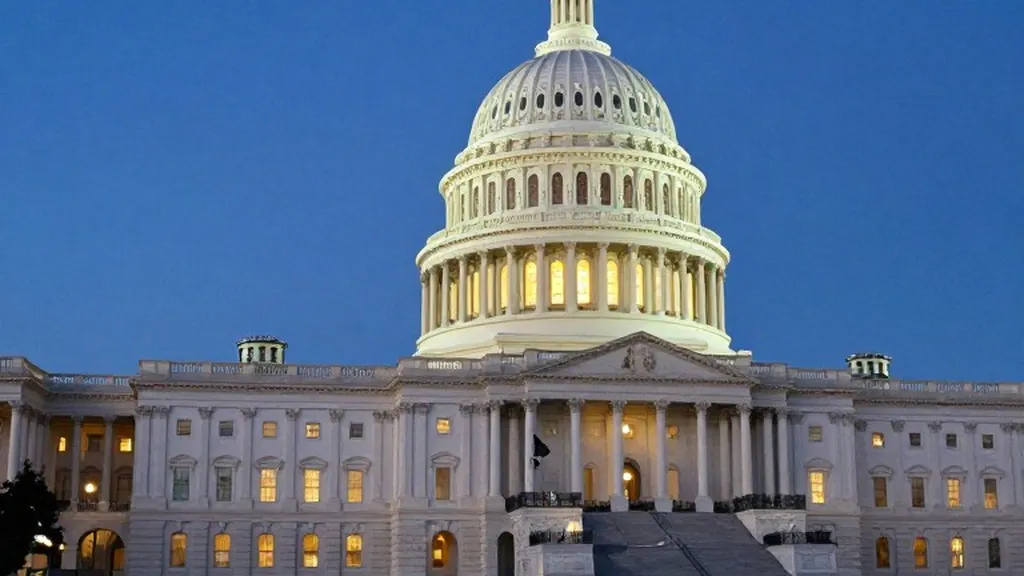
Voters delivered a decisive mandate to Democrats in the 2026 midterm elections, securing majorities in both chambers of Congress. The party gained at least 43 House seats and seven Senate seats, resulting in a House majority of at least 250 to 157 and a Senate majority of 54 to 44. This shift places control of the legislative agenda in Democratic hands, marking a significant reversal from the previous cycle. The results reflect a broad dissatisfaction with the current administration, with many Republicans blaming their losses on the ongoing war with Iran.
The war in Iran has emerged as the central issue of this election cycle. It was a primary driver of the Republican defeat, with party members across the country citing the conflict as a key reason for their loss. The new Democratic leadership now holds the power to scrutinize the military campaign and the decisions made by the executive branch. This oversight role is expected to intensify, with Democrats planning to use their majority to examine the conduct of the war and its impact on the national budget.
Defense Secretary Pete Hegseth found himself at the center of the post-election storm. Representative Thomas Massie, a Kentucky Republican, introduced an impeachment resolution targeting Hegseth for his role in the Iran conflict. The resolution cites the military actions in Iran, Yemen, and Venezuela as grounds for removal. While House Speaker Mike Johnson initially warned against impeaching a cabinet secretary during active hostilities, the pressure from the new House dynamic has made a vote increasingly likely. A House vote on the matter could occur by mid-week, setting the stage for a potential trial in the Senate.
Hegseth defended his record, stating that if lawmakers have an issue with the operations in Iran, they are questioning the troops and their historic accomplishments. He announced plans to hold a news conference to address the impeachment threat directly. This move signals a willingness to fight the new Democratic majority in Congress. The situation highlights the tension between the executive branch and the newly empowered legislative body, with the Iran war serving as the flashpoint for this conflict.
The cost of living and health care were also significant concerns for voters, but the Iran war provided a unifying issue for the opposition. Democrats campaigned on a platform of holding the administration accountable for its spending and military decisions. With the new majority, leaders like Representative Bobby Scott and Senator Elizabeth Warren are positioning themselves to use oversight tools to investigate these areas. Scott, who will lead the House Education Committee, plans to use subpoenas and hearings to examine administration policies, a strategy that extends to other key issues facing the country.
The Republican party faces internal divisions as they assess the election results. Many members who lost their seats pointed to the war as a critical factor in their defeat. This internal criticism adds to the pressure on the remaining Republican leadership in the Senate, who currently hold a 44 to 54 disadvantage. The net loss of seven Senate seats places this election in the top 20% of seat swings against a president’s party, a threshold often associated with wave elections. This dynamic will force Republicans to work closely with the minority status to block or modify legislation.
Democrats also won a majority of governorships and a plurality of state legislative chambers, further solidifying their control over state governments. This trifecta control in key states will allow them to implement policy changes at the state level while pressing for federal action. The election results indicate a shift in voter priorities, with a clear demand for greater accountability and oversight of the executive branch. The new Congress will likely focus on leveraging appropriations and investigations to check the power of the administration.
The upcoming session of Congress will be defined by these new dynamics. Democrats intend to use their majority to pass legislation that addresses the concerns raised by voters, including the cost of living and health care. However, they must navigate a president who has pledged to veto bills he views as harmful. This legislative battle will be complicated by the ongoing military conflict, which requires continued funding and political support. The Iran war will remain a central issue as the new Congress works to establish its agenda.
Senator Chris Van Hollen of Maryland, a member of the Appropriations Committee, indicated that Democrats will use the power of the purse to establish guardrails on administration spending. This approach aims to prevent further damage from executive actions while seeking to reverse existing policies. The strategy reflects a pragmatic approach to the challenges facing the new majority, acknowledging the limits of legislative power while maximizing the impact of oversight. The focus on the Iran war and its fiscal implications will be a key part of this strategy.
The election results also highlight the importance of state-level politics in shaping the national landscape. With Democrats controlling more state governments, they have a stronger platform to advocate for their priorities. This control will be crucial in the coming years, as the new Congress works to implement its agenda. The Iran war, while a federal issue, has had local impacts that resonated with voters across the country. The new Democratic leadership must now translate this mandate into concrete policy actions that address these concerns.
As the new Congress prepares to convene, the focus will shift from campaigning to governing. The Democrats must manage the expectations of a voters who delivered a strong mandate for change. The Iran war will continue to dominate the headlines, serving as a test of the new leadership's ability to oversee the executive branch. The coming months will reveal whether the new majority can effectively navigate the complex political landscape and deliver on the promises made to voters during the campaign.