Trump's $5,000 Dividend Promise Faces Reality Check After Midterm Losses
With Republicans ceding control of Congress, the president's election-night pledge to send checks to every adult adult now hinges on a Democratic Congress that never voted for the plan.
By Ricardo Whitaker ·

President Donald Trump made a bold promise at the Republican Midterm Convention in Dallas, telling voters that if his party retained control of both chambers of Congress, he would issue a $5,000 payment to every adult citizen in the United States. He branded the initiative the Trump Dividend, framing it as a direct reward for voters who kept the GOP in power. The pledge was designed to energize the base and counter concerns about the economy, but it now faces a complex path to implementation after the November 3 elections resulted in a significant shift of power.
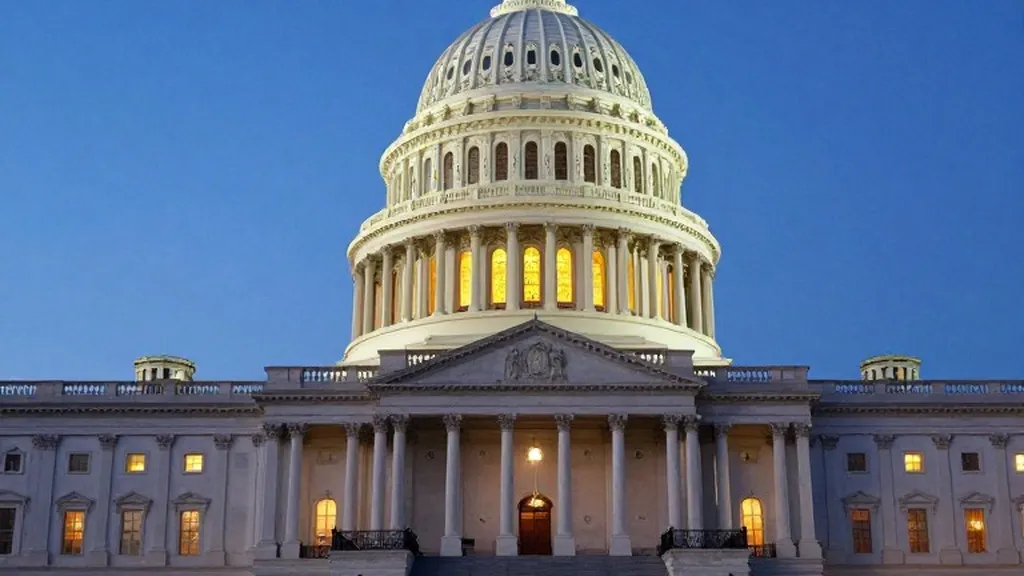
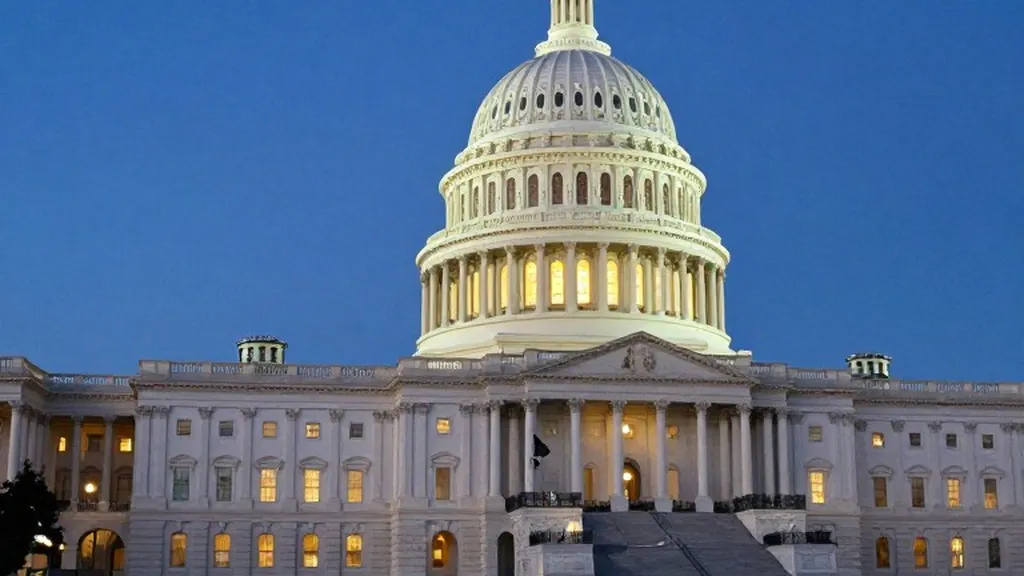
The election results have complicated the promise considerably. Democrats won majorities in both the U.S. House and the Senate, picking up at least 43 House seats and seven Senate seats. This outcome means the president is no longer working with a Republican Congress to pass the necessary legislation. While Trump told reporters he was confident the checks would happen, the legislative landscape has changed dramatically since he made his announcement at the convention. The new Democratic leadership in both chambers now holds the keys to approving the massive spending package.
Speaker Mike Johnson, who led the House for Republicans until the new Congress convenes, acknowledged the procedural hurdles. He stated that congressional approval is required for the payments, calling the idea creative but noting that Congress would need to act. Johnson pledged to work through the process, though his ability to force the issue without a Republican majority is limited. He said he would commit Congress to finding consensus on the matter, but the balance of power now favors those who did not campaign on this specific promise.
The financial scale of the proposal is staggering. Estimates suggest the program would cost more than $1 trillion, potentially adding to the nation's nearly $1.8 trillion annual budget deficit. Critics argue that such a large injection of cash into the economy could exacerbate inflation, which remains a top concern for voters. The president argued that the strong economy and high tariff revenues could cover the cost, but fiscal experts have raised doubts about the sustainability of the plan given current debt levels and interest rates.
Bipartisan criticism emerged even before the election. Some Republicans questioned the price tag and the long-term fiscal impact, while Democrats saw the move as an attempt to buy votes in a closely contested midterm race. The promise was not part of the One Big Beautiful Bill Act tax and spending package that became law in 2025, meaning no separate line item for a tariff dividend was included in that legislation. This gap has led to speculation about how the funds would be sourced, with Trump citing tariff revenue as a potential source despite previous promises of smaller tariff checks that never materialized.
Fact-checkers have scrutinized the feasibility of the plan. PolitiFact noted that the biggest payment is far from certain, highlighting the lack of a formal administration plan for distribution. The fact-checkers pointed out that while the promise is constitutionally protected as campaign rhetoric, the actual implementation requires detailed legislative work that has not yet begun. The absence of a clear mechanism for payment, such as direct deposit or mailed checks, adds to the uncertainty surrounding when or how Americans would receive the funds.
The Democratic victory in the midterms provides a new dynamic for the debate. With control of the House and Senate, Democrats can demand details and modifications to the plan before voting. They may use the promise as a tool to negotiate other economic priorities, such as health care costs or infrastructure spending. The president's team has suggested that the payments would benefit the middle class and workers, but the specific eligibility criteria remain undefined. This vagueness allows for political maneuvering as the two parties prepare to negotiate the next budget.
The timing of the promise also drew attention. It was made during the final stretch of the campaign, when turnout was a critical factor. Election law experts noted that such promises are common in politics and generally protected under the First Amendment, as they are part of campaign rhetoric. However, the scale of this particular promise, combined with the recent election loss for the GOP, has intensified scrutiny. Voters who cast their ballots with the $5,000 check in mind are now watching to see if their new Democratic representatives will uphold the deal or demand changes.
The White House has maintained that the president is confident in delivering on the promise, citing the administration's strong economic record. Spokespeople have pointed to high revenue figures and job growth as evidence that the country can afford the payout. However, the reality of governing with a divided or opposing Congress adds layers of complexity. The president will need to negotiate with leaders who campaigned on holding the administration accountable and lowering the cost of living for families. The Trump Dividend may become a central test of cooperation between the White House and the new Democratic Congress.
As the new Congress prepares to convene in January, the fate of the $5,000 checks will be a key storyline. The promise has already influenced voter sentiment and will likely feature prominently in the early legislative sessions. Whether it becomes a symbol of cross-party cooperation or a source of conflict remains to be seen. For now, the promise stands as a testament to the high stakes of the 2026 midterm elections and the ongoing debate over the role of government in the American economy.