Iran war costs shape Election Day stakes for House control
With polls open, voters weigh the unpopular conflict and high prices as Democrats fight to gain three House seats and four Senate seats.
By Gabriel Serrano ·
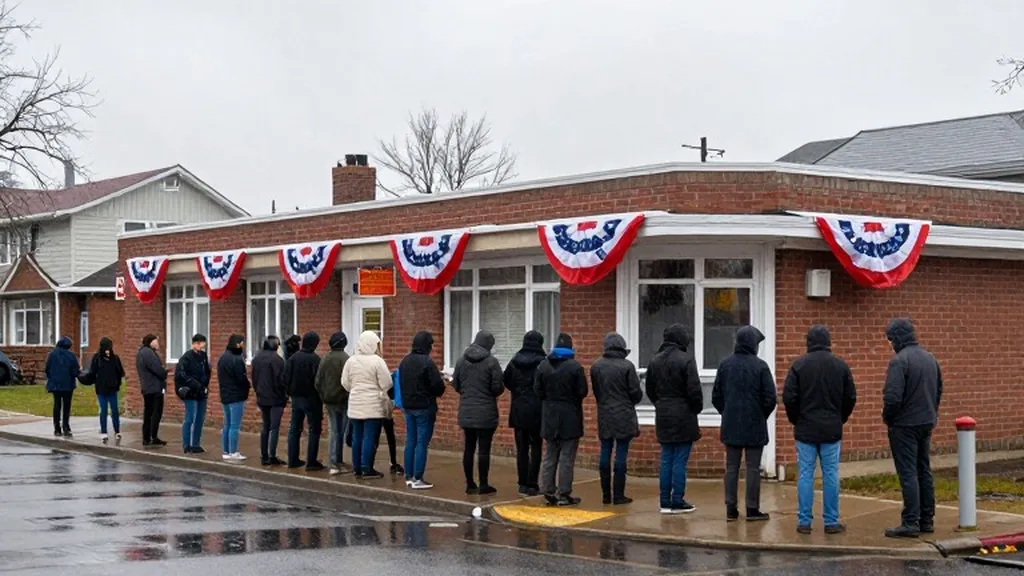
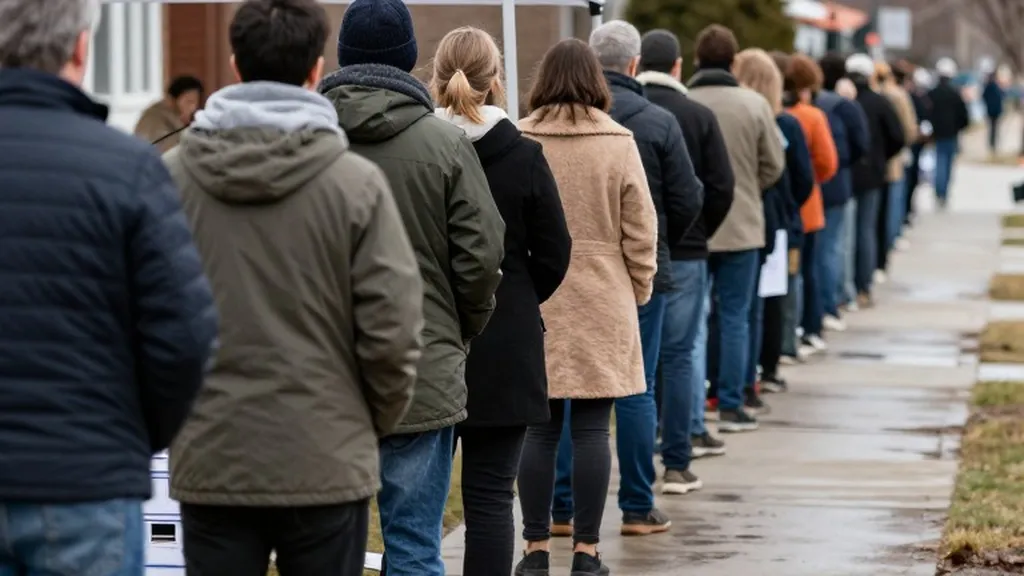
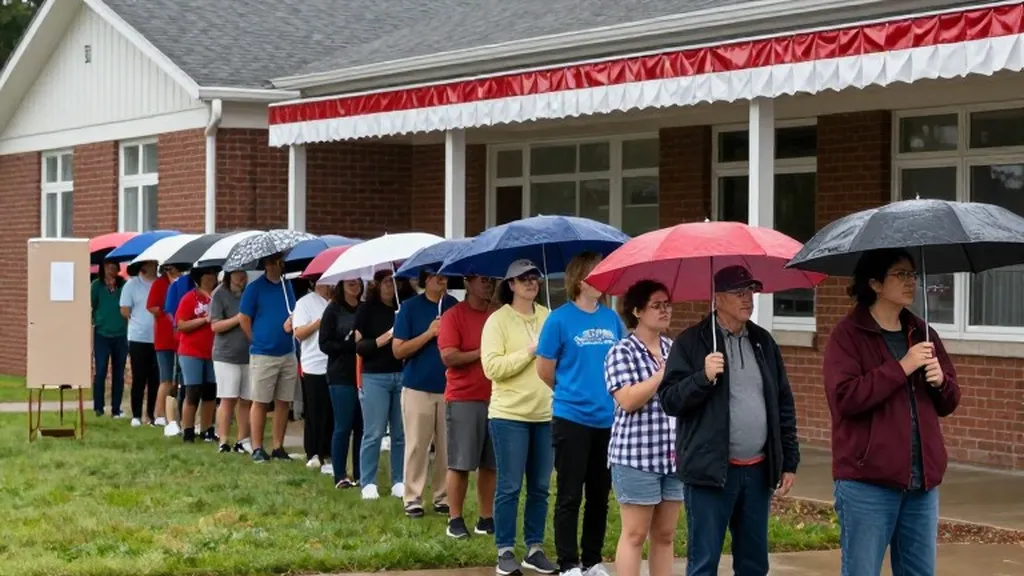
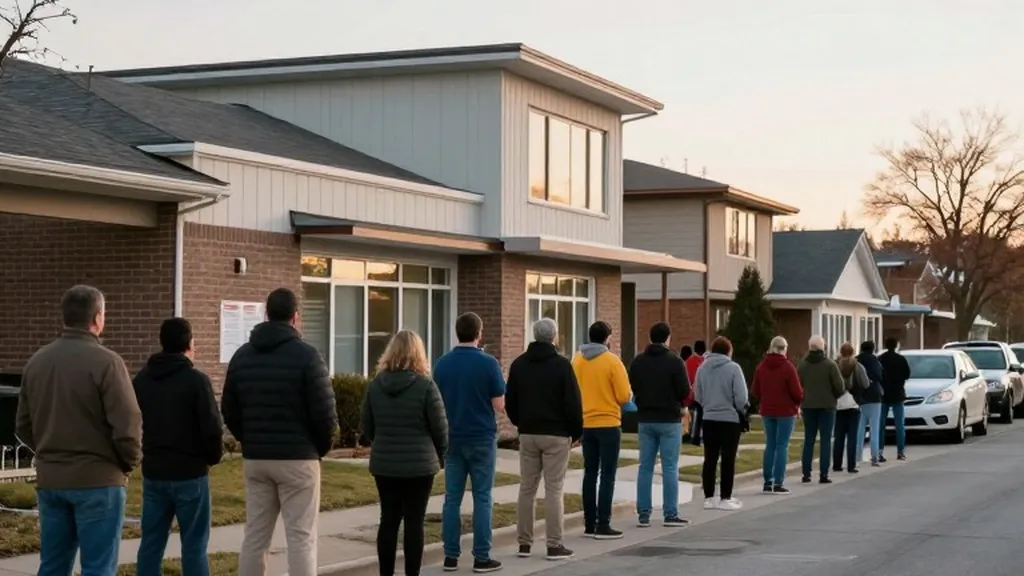
The war with Iran has emerged as a central factor in the midterm election, joining high prices and health care costs as primary concerns for voters heading to the polls on Tuesday. The Associated Press describes the day as a referendum on President Donald Trump's second term, noting that voters are struggling with the economy and are angry over the unpopular conflict. This sentiment is reflected in recent polling data where about seven in ten adults say the country is heading in the wrong direction. Most of those respondents blame the president for the rise in prices, creating a challenging backdrop for his party's candidates.
In the U.S. House of Representatives, all 435 seats are up for grabs, with Democrats needing a net gain of three districts to secure a majority. Republicans currently hold 218 seats and can afford to lose no more than two to maintain control. The Associated Press notes that Republicans are bracing for a potential loss of the chamber, while Democrats are described as cautiously optimistic. The fight is particularly intense in the 46 battleground districts identified by Ballotpedia, where the outcome could hinge on turnout and the specific grievances of local voters regarding the cost of living.
The Senate race presents a narrower margin of error, with Democrats needing a net gain of four seats to take control from the Republicans, who hold 53 seats. Republicans can lose only two seats to keep their majority. Thirteen Senate races are considered competitive, including key contests in states like Georgia, Michigan, and Pennsylvania. In Georgia, Senator Jon Ossoff faces a tough challenge, while in Michigan, the open seat has drawn significant attention due to the state's recent shift in voting patterns. The result in these states will determine whether the president's party faces a unified opposition in Congress for the remainder of his term.
The cost of the Iran war and its impact on the broader economy have influenced the messaging of Democratic candidates, who are emphasizing oversight and fiscal responsibility. House Democratic Leader Hakeem Jeffries has outlined a 100-day agenda that prioritizes the cost of living and oversight of the administration, a platform that resonates with voters who feel the strain of higher taxes and healthcare costs. This focus on domestic issues contrasts with the Republican strategy, which often relies on the popularity of the president and his allies, though many Republican candidates have kept their distance from the White House in recent weeks.
Money plays a decisive role in this election, with the 2026 cycle expected to be the most expensive in history. Republican committees have outraised and outspent their Democratic counterparts, aided by Trump-affiliated groups and significant contributions from Elon Musk. An analysis of AdImpact data by the Associated Press shows that 88.1 percent of Republican general election TV ad spending went to states and districts that Trump won in 2024. Despite this advantage, Democrats have outraised their opponents at the candidate level, suggesting a different strategy for ground game and direct mail that targets the specific concerns of voters in swing districts.
Voter sentiment is divided but leans toward change, as illustrated by the comments of James Moore, a librarian in Raleigh, North Carolina, who cited higher taxes and healthcare costs as his primary reasons for voting. In contrast, Mark Barker of Palm Beach Gardens, Florida, expressed support for the president's performance. These individual perspectives mirror the national divide, where 35 percent of adults approve of the president's job performance, but only 25 percent approve of his handling of the economy. The gap between overall approval and economic approval highlights the specific pressure the administration faces on fiscal policy and the conduct of the war.
The administration has faced legal challenges that could affect the election process, including a federal judge's temporary bar on a plan to prevent noncitizen voting. Critics argue that these moves risk disenfranchising eligible voters, while the administration maintains they are necessary to ensure election integrity. In Alaska, the Trump administration filed a lawsuit related to the certification of the Senate result, adding another layer of complexity to a race that is already tight. These legal battles underscore the high stakes of the election and the potential for post-election disputes that could delay the final count of votes in close districts.
The redistricting changes in states like Texas, Florida, and California have created new congressional maps that may not align perfectly with the party's expectations. While Republicans hoped these new districts would help them hold seats, the AP notes that the maps may not vote as drawn. This uncertainty adds to the difficulty of predicting outcomes in the 46 battleground districts. In the Senate, the retirement of several long-serving members, including Joni Ernst in Iowa and Gary Peters in Michigan, has opened up seats that are now competitive based on the current political climate and the issues at play.
The election also has significant implications for the governorships, with Democrats hoping to hold a majority of the offices for the first time in two decades. Republicans currently hold 26 governor's offices, and Democrats hold 24. The AP identifies several competitive races, including those in Georgia, Nevada, and Ohio, where the issues of healthcare and economic management are central. The outcome of these races will affect the balance of power in state governments, which in turn can influence the enforcement of federal laws and the implementation of policies related to the war and the economy.