Governor Races Split Evenly as Democrats Chase Historic Majority
Thirty-six states vote for governors today with an 18 to 18 partisan balance, creating a tight contest for state leadership control.
By Adrian Romano ·
The midterm election presents a complex landscape for state leadership, with thirty-six governorships up for grabs across the nation. The partisan map is perfectly balanced, with Republicans holding eighteen of the offices on the ballot and Democrats holding the other eighteen. This even split creates a high stakes environment where small shifts in voting patterns could determine which party controls the majority of state houses. Historically, the party in the White House often loses ground in midterm elections, but the current configuration offers Democrats a distinct opportunity to seize control of governorships for the first time in two decades, a milestone they have not achieved since 2010.
Nineteen of these governor races are open seats, meaning no incumbent is running for reelection. This high number of open contests is driven by term limits and personal choices by sitting governors. Fifteen governors are term-limited and must step down, while others have chosen to move on. Iowa Governor Kim Reynolds, Minnesota Governor Tim Walz, and Wisconsin Governor Tony Evers have all decided not to seek another term. Rhode Island Governor Daniel McKee is also out of the race after losing his primary. These vacancies allow challengers from both parties to define the terms of the debate without the advantage of an incumbent’s name recognition or fundraising base.
The battleground for control of the governorships is concentrated in nine specific states. Ballotpedia identifies Alaska, Arizona, Georgia, Iowa, Kansas, Michigan, Nevada, Ohio, and Wisconsin as the key races that will likely decide the majority. In these states, the margins are tight and the campaigns have focused heavily on local economic concerns. Democrats are defending five governorships in states that President Donald Trump won in the 2024 presidential election. These include Arizona, Kansas, Michigan, Pennsylvania, and Wisconsin. Holding these seats is crucial for Democrats to maintain their presence in traditionally competitive or Republican-leaning territories.
Republicans are defending two governorships in states that former Vice President Kamala Harris won in 2024. These are New Hampshire and Vermont. The Associated Press notes that the race in New Hampshire is particularly close, with Republican Governor Kelly Ayotte facing a challenge. In Vermont, Republican Governor Phil Scott is seeking to retain his office. The AP also highlights Texas, Florida, and Iowa as competitive governor races, suggesting that the fight for state leadership extends beyond the nine officially designated battlegrounds. The outcome in these additional states could further shift the balance of power at the state level.
The Associated Press describes the overall mood of the election as a referendum on President Trump’s second term. Voters are grappling with high prices and expressing anger over an unpopular war with Iran. Polling from the AP and NORC indicates that only 35 percent of U.S. Adults approve of the president’s job performance. Economic approval is even lower, with just 25 percent approving of his handling of the economy. About seven in ten Americans say the country is heading in the wrong direction, and most blame the president for high prices. This sentiment is driving voter turnout and shaping the messages of candidates running for governor and other offices.
Financial resources have played a significant role in shaping the campaigns. The 2026 elections are likely to be the most expensive in history. Republican committees have outraised and outspent their Democratic counterparts, aided by Trump-affiliated groups and contributions from Elon Musk. However, at the candidate level, Democrats have outraised their opponents. An analysis of AdImpact data shows that 88.1 percent of Republican general election TV ad spending went to states and districts that Trump won in 2024. This includes more than $850 million spent in areas where he won by ten points or more. This spending strategy reflects a focus on securing wins in strong Republican territory, though Democrats are working to counterbalance this with targeted local outreach.
Redistricting has also impacted the political landscape, with six states using new congressional maps after mid-decade redistricting. These states are California, Florida, Missouri, North Carolina, Tennessee, and Texas. Ohio is also using a new map. The Associated Press notes that Republicans tried to beat the midterm pattern with these redistricting efforts, but new districts in Florida and elsewhere may not vote as they were drawn. This uncertainty adds a layer of complexity to the election, as candidates must navigate shifting boundaries and voter alignments. The new maps could influence which candidates are competitive in certain districts and how resources are allocated across the state.
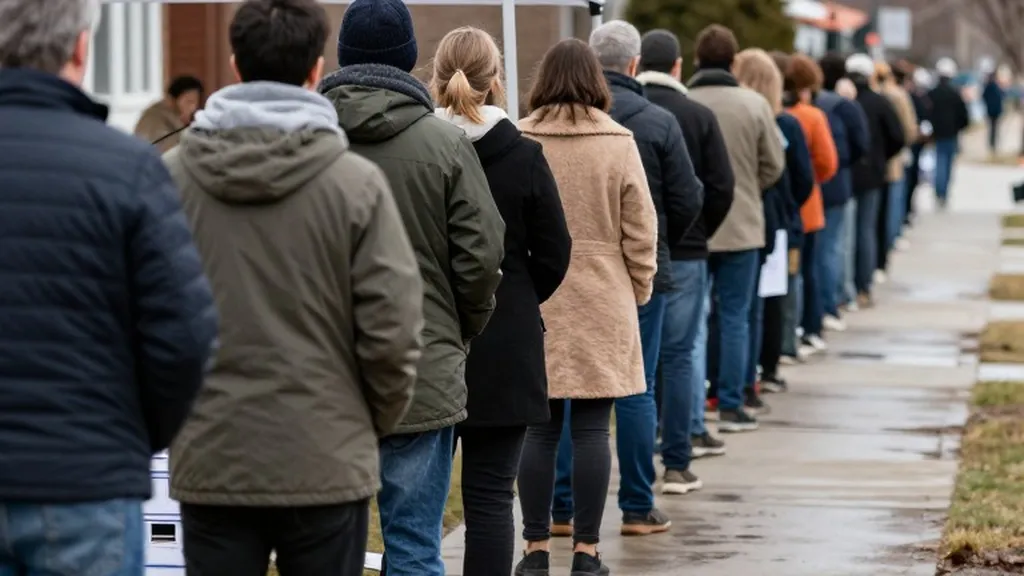
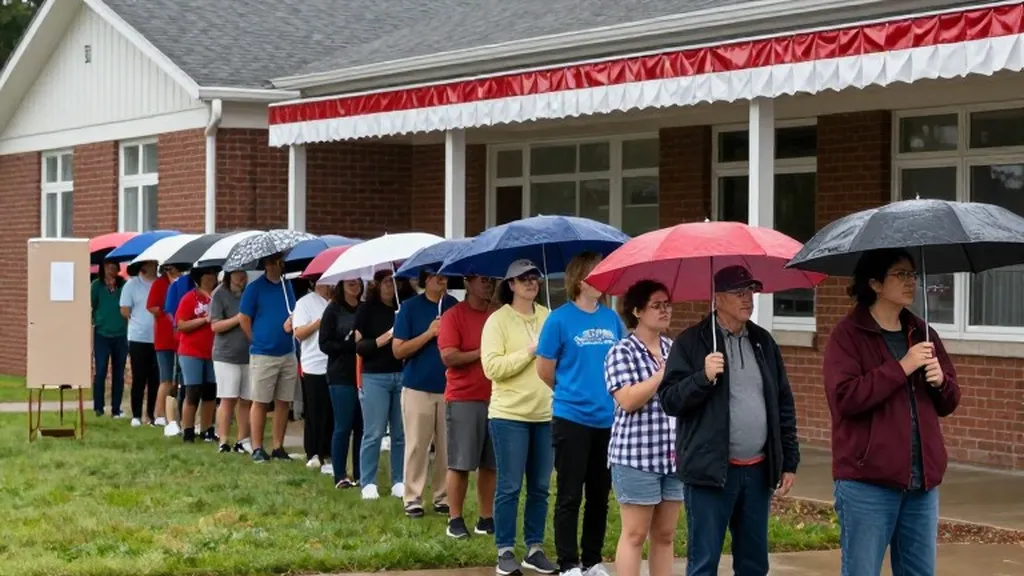
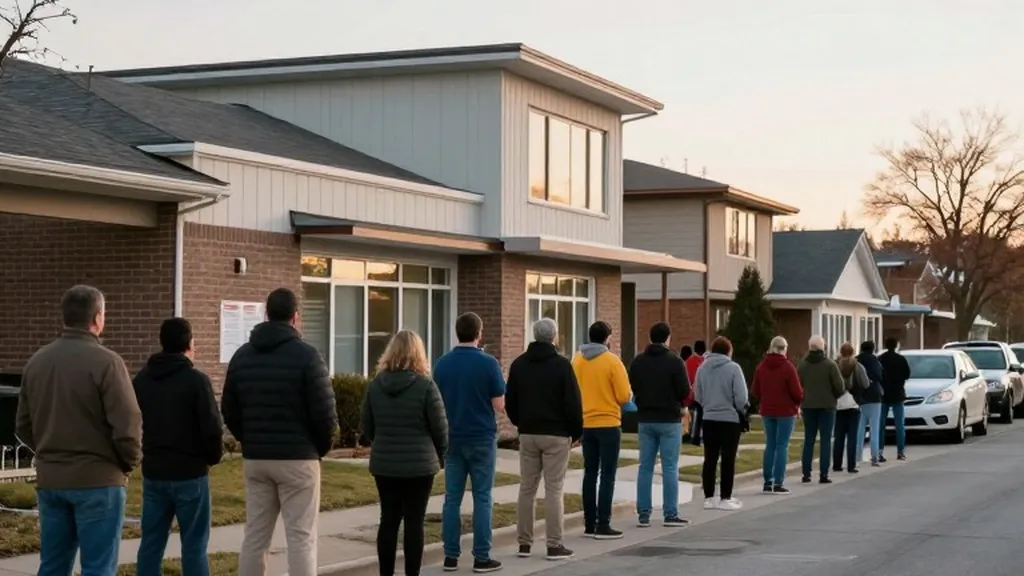
Voter behavior has been active in the days leading up to Election Day. More than 57 million people had already voted as of Monday, surpassing the early vote of four years ago in many closely watched states. This high level of early voting suggests strong engagement from both parties. Republicans were bracing to lose the House and fighting to hold the Senate, while Democrats were described as cautiously optimistic. The Associated Press notes that one or two seats could tip the balance in either chamber, underscoring the tightness of the race. This narrow margin of victory potential means that every vote in the governor races could have a significant impact on the overall outcome.
The stakes for a Democratic victory in the governor races are high. Winning a majority of governorships would allow Democrats to set agendas on issues such as the cost of living, health care, and oversight of the federal administration. A strong showing would also boost the profiles of potential 2028 presidential candidates, including Gavin Newsom, JB Pritzker, and Pete Buttigieg. Conversely, a Republican hold would maintain their dominance in state leadership and provide a platform for their own future candidates. The election will also serve as a test of the administration’s ability to maintain support among voters who are concerned about economic conditions and foreign policy.