Tesla Sets a Final Deadline for Cybercab Sales
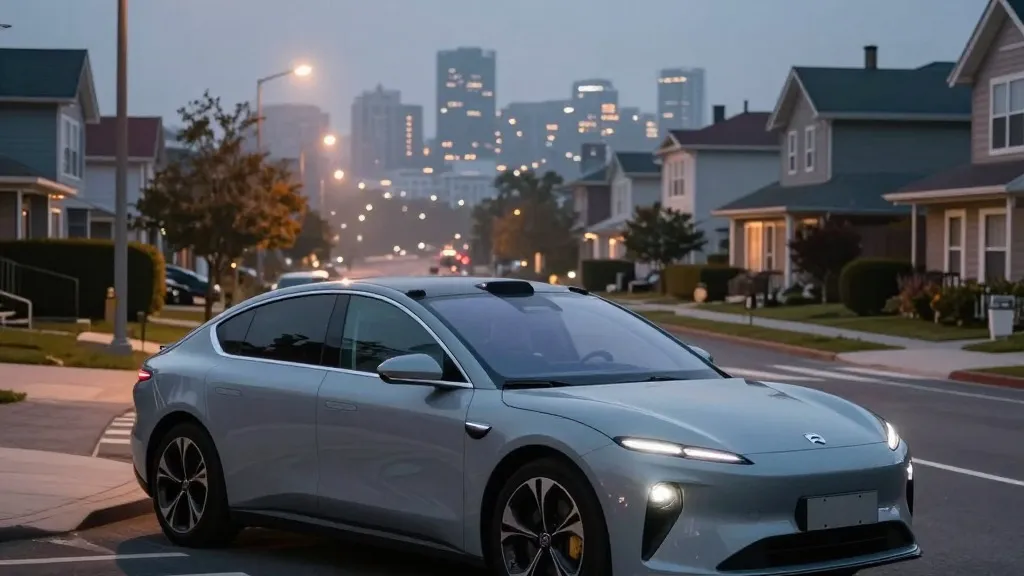
The company has confirmed that its autonomous two-seater will be available to private buyers before the end of this year, though most units will join the corporate fleet first.
By Ricardo Whitaker ·
The long wait for a personal Cybercab is officially over, with Tesla confirming a specific timeline for when the vehicle will hit the market. During the company's third-quarter 2026 earnings call held on October 21, executives laid out a clear plan for the rollout of the robotaxi. This announcement puts an end to months of speculation regarding whether the car would actually be available to the public in the near future.
Vice President of Engineering Lars Moravy stated that the goal is to begin handing over keys to customers before the calendar year ends. He clarified that production is already moving along the assembly line at Gigafactory Texas. However, Moravy noted that every unit currently coming off the line is being routed to Tesla's internal robotaxi fleet rather than to individual buyers.
This strategy reflects a cautious approach to scaling operations. Moravy explained that as the company gains more experience, it will primarily deliver these fully designed autonomous vehicles to its customer base. The Cybercab is set to be the first model in this new category. Initial sales will be modest in volume, allowing the company to work through the complexities of logistics, ownership structures, and fleet management while the vehicles operate outside of direct company control.
CEO Elon Musk reinforced the idea that private ownership will not be the primary focus for this specific model. He described the Cybercab as a "transport-as-a-service" product rather than a traditional personal car like the Model 3, Model Y, or the upcoming Roadster. According to Musk, the vast majority of these vehicles will remain owned by Tesla and offered as a service to riders.
The vehicle itself is a unique two-seater that features no steering wheel or pedals. It relies entirely on Tesla’s Full Self-Driving technology suite to navigate. Production on the Cybercab began in February of this year, marking a significant milestone in the company's autonomous vehicle roadmap.
The shift from internal use to public availability is already underway. In early September, Tesla launched its robotaxi service to the public, using early production units of the Cybercab. These cars have been serving rides in the company's fleet since that launch. Previously, Tesla had indicated that the price point for the vehicle would be approximately $30,000, making it an affordable option for the robotaxi market.
While the hardware is ready, the software and regulatory landscape are still evolving. Ashok Elluswamy, the company's Head of AI, indicated during the same call that unsupervised Full Self-Driving is expected to ship to consumer cars in the second quarter of 2027. This means that while the Cybercab is autonomous, other consumer vehicles will have to wait a bit longer for the same level of independence.
Early buyers or fleet operators should be aware that their vehicles may face geographical restrictions. Due to varying speeds at which regulatory agencies approve autonomous operations, some areas may have limitations on where the cars can drive without a human driver in the loop. These hurdles remain a key part of the rollout plan as the company prepares for wider distribution.
The next few months will be critical for Tesla as it transitions from a pilot phase to a broader customer base. The company aims to balance the growth of its robotaxi fleet with the introduction of private owners. As the year draws to a close, attention will turn to how quickly Tesla can scale these deliveries while maintaining safety and operational efficiency.
More Business · Watch Your Wallet · Report a business · Got a Story?