22 launches: The new hurdle for Moon missions
NASA’s latest internal estimate suggests that 22 rocket flights are needed to fuel a single lunar landing, raising questions about the Artemis timeline.
By Gabriel Serrano ·
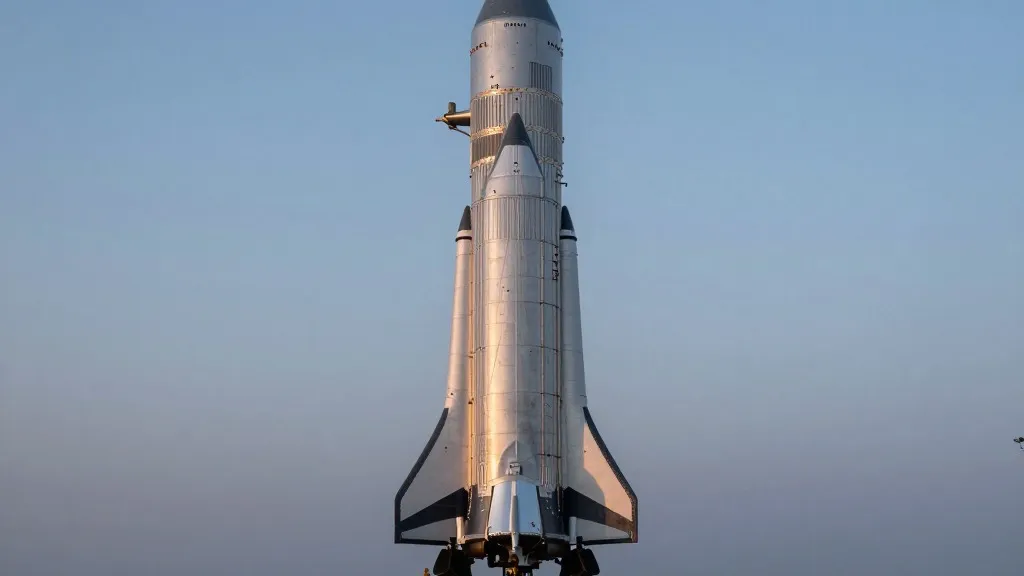
NASA is now looking at a figure of 22 Starship launches to support a single Moon landing. This is the newest estimate for the number of flights required to fuel a lunar lander in low-Earth orbit. The agency has kept this specific number closely guarded for years. It is a critical metric for the Artemis Program’s goal of returning humans to the lunar surface.
The requirement involves sending a 'depot' Starship to orbit first. Then, multiple 'tanker' Starships must fly to that depot. They deliver liquid oxygen and methane propellant. The lander needs enough fuel to travel to the Moon, land on the surface, and return to lunar orbit. The total number of tanker flights needed depends on how much fuel each Starship can carry.
This number has changed over time. In 2023, Lisa Watson-Morgan, then the director of NASA’s Human Landing System, told Ars Technica that the agency had a general idea but was reluctant to share exact figures. She later described the requirement as being in the 'high single digits to the low double digits.' That estimate suggested about a dozen launches. Other officials have cited figures in the 'high teens.'
SpaceX had hoped to reduce the number of tanker flights by significantly increasing Starship’s lift capacity. A higher capacity would mean fewer trips are needed to fill the depot. However, some NASA officials now worry that this improvement may not happen soon enough. If the capacity does not increase rapidly, Starship might not play a meaningful role in returning humans to the Moon this decade.
The latest estimate emerged on Thursday during a quarterly meeting of the NASA Aerospace Safety Advisory Panel. Panel member Charlie Precourt, a former NASA astronaut, spoke about risks associated with the Artemis Program. He discussed the challenges of landing humans on the Moon. The number 22 represents a significant increase from previous internal estimates.
The shift in the estimated number reflects concerns about the pace of Starship’s development. If 22 launches are required, the logistics become more complex. Each launch must be safe and successful. The depot must remain in orbit long enough to receive all the fuel. Any failure in the sequence could delay the entire mission.
NASA has historically avoided pinning down this exact number. The agency prefers to keep flexibility as the technology evolves. But the latest estimate suggests that the current trajectory requires more flights than previously thought. This has implications for the schedule of the Artemis program.
The next steps will involve further review of the launch requirements. NASA and SpaceX will need to determine if 22 launches is a firm number or a conservative estimate. The agency will continue to monitor Starship’s performance. The goal remains to land astronauts on the Moon safely and efficiently. The number of launches required will be a key factor in achieving that goal.