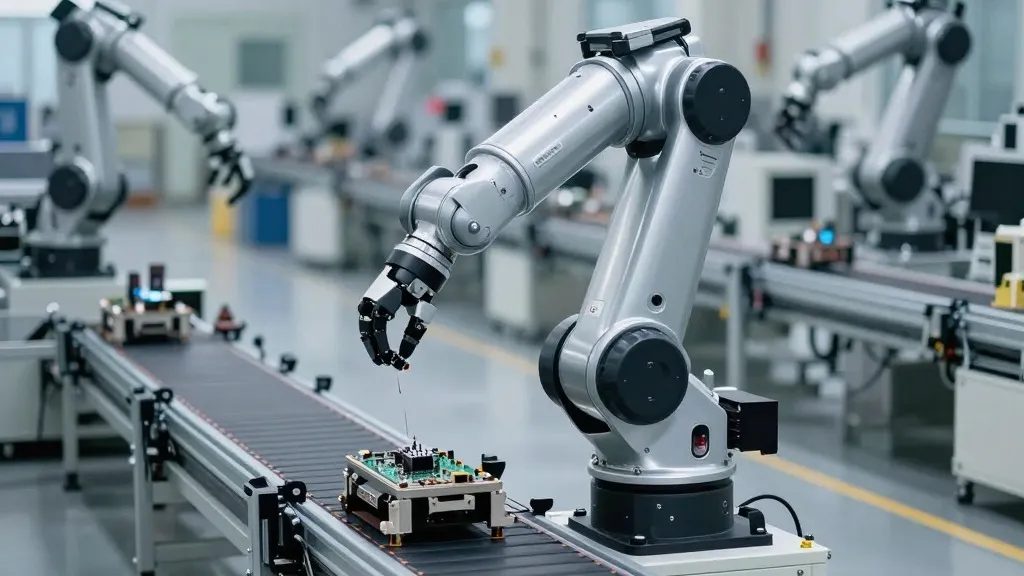
Musk Confirms Expedited Equipment Shipments for Terafab as Tesla and SpaceX Push 2028 Deadline
Elon Musk stated that key suppliers are accelerating deliveries to help the joint venture meet its aggressive 2028 production target, though the timeline remains highly uncertain.
By Ricardo Whitaker ·
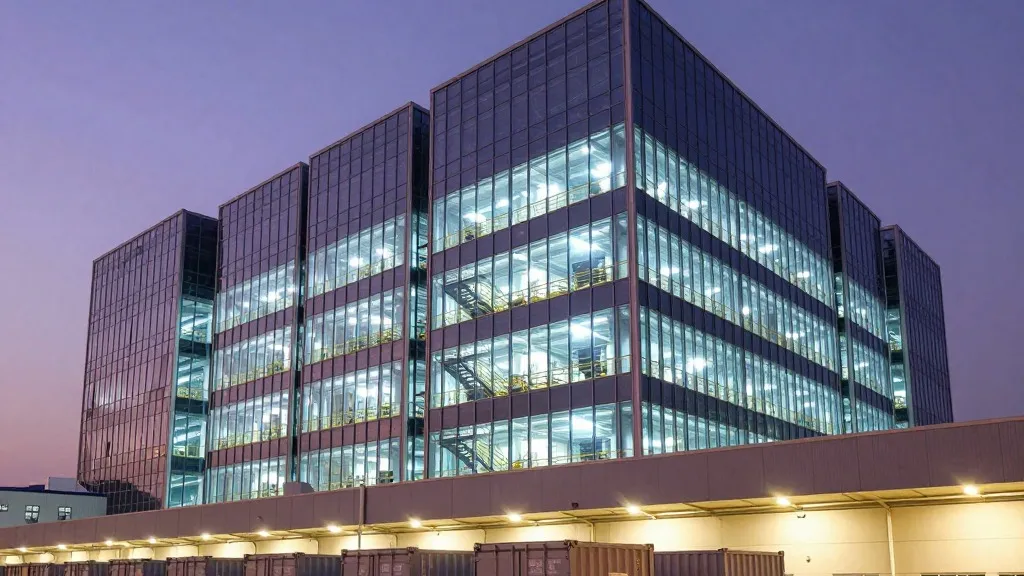
Elon Musk announced that major semiconductor equipment manufacturers, including ASML, have accelerated delivery schedules to support the Terafab project. This joint venture between Tesla and SpaceX aims to establish a massive, vertically integrated chip manufacturing facility in Texas. The expedited shipments are intended to help the project meet its aggressive goals for advanced computing hardware, marking a significant step in the companies' efforts to secure their own supply chain for future AI and autonomous vehicle technologies.
The timeline for this ambitious infrastructure buildout has evolved over the past year. In April 2026, Intel officially joined the Terafab venture to provide access to its 14A manufacturing node technology. The project has since drawn in a wide array of global suppliers, including American firms like Applied Materials, Lam Research, and KLA Corporation, as well as Japan’s Tokyo Electron. Additionally, Tesla and SpaceX have engaged in discussions with approximately ten South Korean equipment makers, such as Hanmi Semiconductor and HPSP, to secure specialized components for the facility.
Musk detailed the project's milestones during a live broadcast of SpaceX’s third-quarter 2026 earnings call on October 20. He stated that SpaceX plans to produce its first experimental test chip at its research fabrication facility in Austin, Texas, by the second quarter of 2027. The primary manufacturing hub in Gibbons Creek, Texas, is targeted for volume chip production by the third or fourth quarter of 2028. While these dates represent a significant acceleration in the project's development, Musk cautioned that the schedule is highly aspirational and subject to substantial variability.
"These are very aggressive dates, and we're very appreciative of ASML and all of our other suppliers in accelerating equipment deliveries in order to achieve this outcome," Musk said. He emphasized that the collaboration is critical to navigating the current tightness in the semiconductor supply chain. Unofficial sources previously suggested that Terafab's first extreme ultraviolet lithography tool from ASML was slated for delivery in mid-2027, a date that may now have been pulled forward as part of the expedited efforts.
The facility is designed to be a multi-billion-dollar undertaking capable of manufacturing one terawatt of AI computing power annually. It will handle logic, memory, and advanced packaging internally, reducing reliance on external foundries like TSMC. The chips produced at Terafab are intended to power Musk’s xAI clusters, self-driving vehicles, Optimus humanoid robots, and SpaceX’s orbital AI data centers. Musk noted that if fully operational, the commercial value of the facility's output could rival the gross domestic product of the 20th-largest economy in the world, a rank currently held by Switzerland with a GDP of approximately $1.14 trillion.
In addition to the Terafab update, Musk outlined near-term expansions for his AI infrastructure. He projected that his companies will activate 2.5 to 3 gigawatts of computing capacity by the end of 2026. He expressed high confidence in adding another 10 gigawatts in 2027, expecting a total of 13 gigawatts by the end of that year. To achieve this, SpaceX and xAI are aggressively procuring next-generation NVIDIA hardware, with plans to bring a 440,000-GPU "Vera Rubin" training cluster online by the second quarter of 2027.
Despite the optimism surrounding the supply chain acceleration, industry experts remain cautious about the scale of the Terafab ambition. Research firm Gartner estimates that total global AI-optimized data center capacity is roughly 44 gigawatts as of late 2026. This figure represents only 4.4% of Terafab's planned one-terawatt annual output. While global AI computing capacity has grown at a rate of 3.3x to 3.4x annually since 2022, according to EpochAI, the sheer magnitude of the Terafab project continues to draw scrutiny regarding its feasibility within the stated timeframe.
The next phase of development will focus on integrating the expedited equipment into the Gibbons Creek facility. Success in this area will determine whether the 2028 volume production target remains viable. As the project moves forward, the interplay between Terafab’s manufacturing goals and the broader AI infrastructure plans of Musk’s companies will likely dictate the pace of construction and the timing of initial chip shipments.
More Business · Watch Your Wallet · Report a business · Got a Story?