PHP Foundation Releases Emergency Patches After AI Tools Expose Core Engine Flaws
A two-year-old memory management bug in the language powering 70% of the web was turned into a critical exploit by AI-assisted researchers, forcing an accelerated security rollout.
By Gabriel Serrano ·
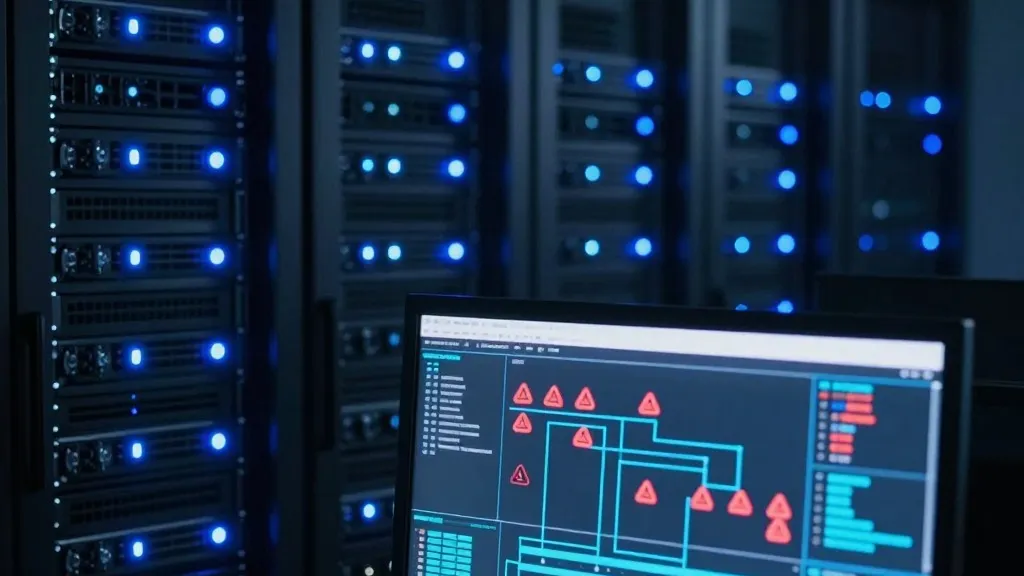
The security landscape for the majority of the web shifted abruptly on Tuesday as the PHP Foundation released emergency patches for a pair of critical vulnerabilities. The release was brought forward from its scheduled date of October 22 to October 21 following premature disclosures on October 20 that triggered public concern. These flaws, which reside in the core engine of the open-source language, affect an estimated 70% of websites globally, creating a significant financial and operational exposure for businesses that rely on the platform for their digital infrastructure.
OpenAI announced in a press release on October 21 that the vulnerabilities were uncovered by researchers working under its 'Patch the Planet' cybersecurity initiative. The team utilized the company's GPT-5.6 Sol model to identify the weaknesses. The company characterized the incident as one of the most significant cybersecurity discoveries of 2026, citing the ubiquity of PHP in the global market. The discovery highlights a growing tension in the tech sector regarding the speed at which artificial intelligence can identify and exploit complex software defects compared to traditional human-led development cycles.
The technical details of the flaws, tracked as CVE-2026-109618 and CVE-2026-109619, involve errors in how PHP manages computer memory and handles errors. The first flaw occurs when the engine runs out of allocated memory during request processing, potentially leaving incomplete internal data that is later mistaken for valid information. The second involves a fatal error that leaves the system pointing to memory that has already been freed, allowing subsequent requests to access or corrupt that space. Both vulnerabilities were assigned a critical severity score of 9.2 out of 10.
The implications for market stability are severe because the bugs exist in the core engine, meaning websites can be compromised even if their specific application code is secure. Attackers can exploit these weaknesses remotely without login credentials to execute malicious code on affected servers. Furthermore, researchers demonstrated that the flaws could expose sensitive data stored in server memory, including passwords, authentication tokens, and API keys. This exposure represents a direct risk to the financial and operational integrity of the affected entities.
The timeline of the discovery reveals a stark contrast in efficiency between human and AI-assisted efforts. The PHP Foundation had been aware of the underlying code flaw since 2024 but could not identify an exploitation method or a fix. Human developers and security teams examined the code for two years without fully resolving the issue. In contrast, researchers from Calif, a California-based cybersecurity firm and founding partner of the Patch the Planet program, began auditing PHP with OpenAI tools on July 30, 2026. Calif researcher Ryan A. identified the exploitable vulnerability on August 11, with OpenAI researchers confirming the finding the same day. Another firm, Wiz, independently identified the additional vulnerability shortly thereafter.
OpenAI framed the incident as a practical demonstration of its 'Defender's Window' concept. Introduced after the company's models hacked Hugging Face, the concept describes a narrow timeframe during which organizations can use advanced frontier AI models to find and patch defenses before malicious actors gain similar capabilities. The company argues that powerful technology will inevitably be used by bad actors, making proactive remediation a collective responsibility. This perspective challenges the view that flaws are harmless if they are not yet exploitable by humans, suggesting that the window for defense is closing rapidly.
To address the crisis, the PHP Foundation released patched versions 8.2.35, 8.3.36, 8.4.27, and 8.5.12. Users of PHP 8.1 and older versions will not receive official fixes, leaving them with the decision to upgrade to newer versions or implement compensating controls. OpenAI coordinated a coalition of researchers, maintainers, security providers, and government agencies to manage the fix over a two-month period. The company attributed the length of this coordination to the complexity of the task, which required major changes to the PHP engine itself rather than simple code adjustments.
The incident serves as a bellwether for the broader tech industry as AI-driven security auditing becomes more prevalent. With competitors like Anthropic recently using its Claude Mythos model to identify thousands of zero-day vulnerabilities in major operating systems and browsers, the pressure on legacy software stacks to modernize is intensifying. For Midwest businesses and other enterprises relying on PHP, the immediate task is to assess their current versions and upgrade to the patched releases to mitigate the risk of remote exploitation and data leakage.
Looking ahead, the market will likely see increased investment in AI-assisted security tools as organizations seek to shorten the time between vulnerability discovery and patch deployment. The rapid mobilization of resources by OpenAI and its partners underscores the shifting cost-benefit analysis of maintaining legacy code. As the Defender's Window narrows, the financial cost of inaction may rise, forcing a faster adoption of AI-driven defensive strategies across the software supply chain.