The iPod Changed How We Carry Music 25 Years Ago
Apple's original pocket player held 1,000 songs in a device no bigger than a deck of cards, reshaping the portable audio market.
By Adrian Romano ·
Twenty-five years ago today, Apple changed the way people listened to music. CEO Steve Jobs stepped on stage in October 2001 to unveil a device that would define a decade. He teased the audience with a breakthrough digital item that was not a Mac. The reveal was the original iPod. It promised to put an entire music library into a user's pocket for 399 dollars. This launch marked a major shift for the company and the industry.
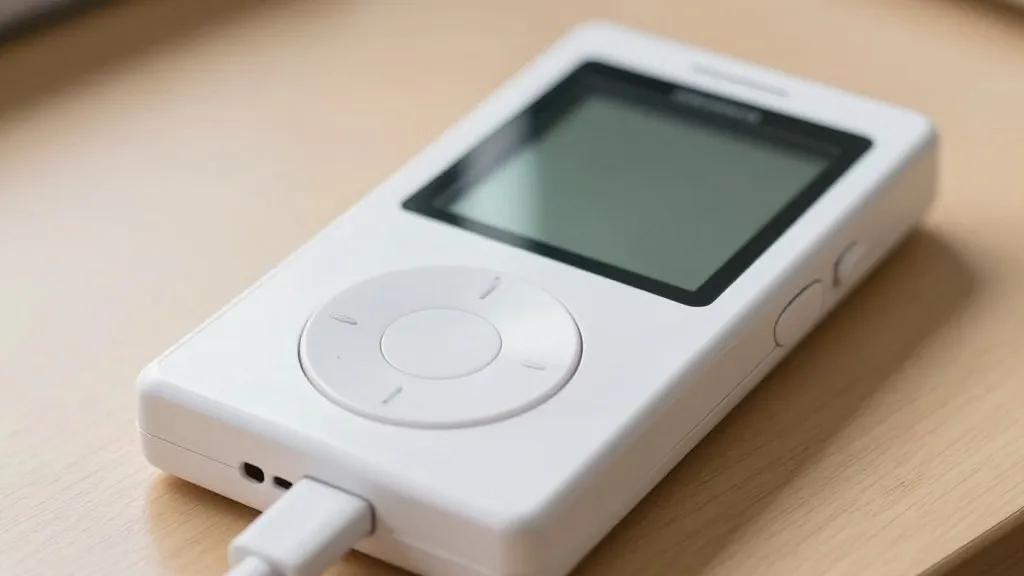
The numbers behind the device were impressive for the era. It featured 5 gigabytes of storage. This capacity allowed it to hold 1,000 songs. Specifically, these were typical pop tracks encoded at 160Kbps. Jobs noted that for most people, this represented their entire collection. The hardware relied on a new 1.8-inch hard drive from Toshiba. This component was just 0.2 inches thick. It made the iPod the size of a standard deck of cards. The full dimensions were 2.4 by 4 by 0.78 inches. It weighed only 6.5 ounces, which was lighter than many cell phones of that time.
Jobs acknowledged that other companies like Sony and Creative already sold portable players. He argued that none had found the right recipe for digital music. Apple chose the hard drive based player over flash or CD options. The device offered CD-quality sound and played popular formats like MP3 and WAV. It included 20 minutes of skip protection. A single FireWire 400 cable handled both charging and file transfers. This connection was significantly faster than USB. Jobs claimed it could transfer an entire CD in five to 10 seconds. A USB connection would take about five minutes for the same task. Filling the device with 1,000 songs took roughly 10 minutes via FireWire. By comparison, a USB player would take five hours. The battery provided 10 hours of continuous playback. It could recharge to 80 percent in one hour.
The design was minimal and durable. It featured a scroll wheel with tactile feedback for easy navigation. Users could find songs by artist, playlist, or title. Jobs demoed the device on stage. The first track played was Building a Mystery by Sarah MacLachlan. The player also worked with iTunes 2, which launched the same day. This software allowed users to sync their Mac libraries with the iPod automatically. The device also functioned as a FireWire hard drive when connected to a computer.
The iPod remained a core Apple product for years. The first iPhone arrived in early 2007. Both devices coexisted for over a decade. The line eventually faded as smartphones matured. The final model was the 7th generation iPod Touch in May 2019. Apple officially discontinued the product line in May 2022. The legacy of the original 2001 release remains strong in the history of personal technology.