Tesla Halts Cybertruck Plans for Australia and New Zealand
The electric vehicle maker has voided nearly seven years of regional reservations, citing the high cost of re-engineering the truck for right-hand-drive markets.
By Adrian Romano ·
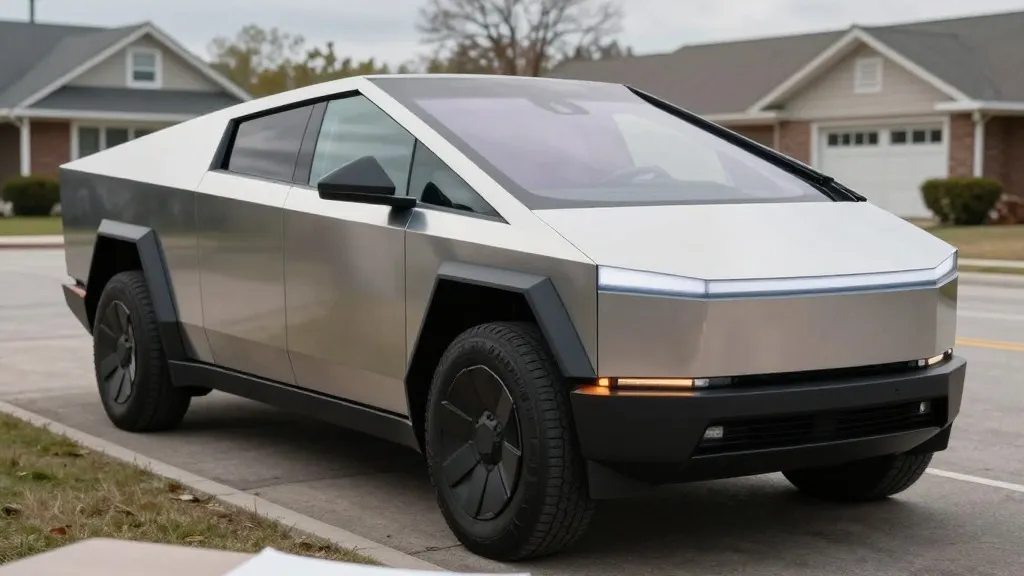
Tesla’s expansion of its electric pickup truck has hit a geographic limit, forcing a strategic retreat from two major Pacific markets. On Thursday, the automaker officially cancelled the Cybertruck for Australia and New Zealand, signaling that the vehicle will not be produced in the configurations required for those regions.
Reservation holders in the two countries received emails today informing them that their orders are void and that their deposits will be refunded. The cancellation ends a nearly seven-year wait for consumers who began placing A$150 deposits in November 2019.
The core financial hurdle is the lack of a right-hand-drive version of the vehicle. The Cybertruck is currently built exclusively in left-hand drive, which necessitates a significant re-engineering cost to meet the design and certification rules of Australia and New Zealand. Given that Tesla is already facing demand challenges in North America, the company determined that the investment for a market of approximately 33 million people was not justifiable.
Tesla is attempting to convert the lost reservation base into sales of its existing right-hand-drive inventory. As a gesture of goodwill, the company is offering a free one-year subscription to its Full Self-Driving (Supervised) software to any reservation holder who orders a new Model 3 or Model Y. Refunds for the cancelled deposits are expected to be processed within 30 days.
This decision follows a long period of ambiguity for regional buyers. Tesla quietly closed the Australian reservation page in May 2022, replacing it with an option to receive updates, but did not issue refunds at that time. In 2024, the company shipped a Cybertruck to the region for a display tour, and CEO Elon Musk suggested to shareholders that certification for other markets might occur "next year," a timeline that has since passed without a product launch.
The move comes just one day after Tesla reported its third-quarter 2026 earnings, highlighting the pressure on the company to align production with actual sales volumes. The "Other Models" category, which now primarily consists of Cybertrucks after the end of Model S and Model X production, saw only 8,295 deliveries in the quarter. This represents an annualized pace of roughly 30,000 units, a fraction of the production line's 250,000-unit capacity.
International deliveries of the truck have been limited to left-hand-drive markets, including South Korea, the UAE, and several Middle Eastern nations. The vehicle remains blocked from the European Union due to pedestrian safety regulations. With US sales declining from approximately 39,000 units in 2024 to a significantly lower figure today, the Cybertruck is increasingly positioning itself as a niche product for the domestic market rather than a global volume driver.
More Business · Watch Your Wallet · Report a business · Got a Story?