Bottoms wins Georgia governorship with 54.4% of the vote
The former Atlanta mayor becomes the first Black woman elected to the post in the United States, promising to tackle grocery taxes and housing costs.
By Ricardo Whitaker ·
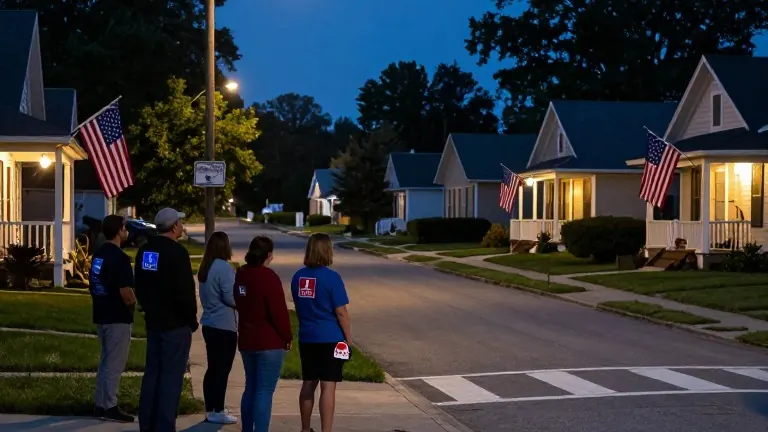
Georgia voters chose Keisha Lance Bottoms as their next governor on Tuesday, giving her 54.4% of the state's vote. Her opponent, healthcare businessman Rick Jackson, received 45.6%. The Associated Press called the race for Bottoms at 9:24 p.m. EST, after more than 70% of ballots had been counted. This result makes Bottoms the first Black woman to be elected governor in the history of the United States. She is also the first Democratic governor-elect in Georgia since 1998.
The outcome reflects a shift in state politics that has been building for years. In 2018, Bottoms noted that an average of 21 votes per precinct separated the winner from the loser. That narrow margin became a rallying point for local organizers. This year's campaign focused on voter education and on-the-ground engagement. Bottoms's team prioritized statewide outreach over stops concentrated in metro areas. She visited cities including Columbus, Macon, Augusta, Albany, Valdosta, Waycross, and Rome. In a campaign interview, she described the strategy: "I get to talk, but most importantly, I get to listen, and I can put faces with the fight, the people I'm fighting for."
Voters consistently identified affordability as their top concern. Issues like grocery prices, healthcare costs, housing, and childcare dominated the conversation. Bottoms built her platform around these specific economic pressures. Jackson relied on broader economic messaging without the same localized outreach. The contrast in strategy appears to have influenced how different regions of the state voted. Bottoms also addressed younger voters directly. She cautioned against applying a "purity test" to candidates. "Nobody's going to be perfect… put away the purity test," she said. She added that engagement and imperfect progress matter more than waiting for an ideal candidate.
Bottoms outlined several specific policy goals during her campaign. She proposed allowing local governments to suspend or completely end their grocery tax if they can afford to do it. She also stated she wants to eliminate taxes on diapers, feminine hygiene products, and baby formula. Bottoms explained that the state budget begins in the governor's office before moving to the legislature for approval. She noted that funding for mental health services, healthcare access, workforce housing, education, and small business support all starts in that budget. "The budget from the governor's office begins in the governor's office and then it goes to the state legislature for approval," she said.
The transition to a new administration begins now. Bottoms's team will start staffing the office and reviewing the state budget. They will also set legislative priorities for the upcoming session. Community leaders will watch closely to see how quickly promises on grocery tax relief and small business funding become legislative action. Residents should expect early pushes on affordability, given how central these issues were during the campaign. Direct community engagement is likely to remain a part of Bottoms's governing style. She specifically cited her visits to Macon, Augusta, Albany, and Rome as examples of the kind of personal connection she plans to maintain. The administration will move from campaign promises to legislative drafts as the new term approaches. The focus will be on translating stated goals into measurable changes in state policy and spending.