Why Black Surnames Can't Be Traced With A Simple Search
Records from the Civil War and census data show how naming choices were made or altered under slavery and after emancipation.
By Gabriel Serrano ·
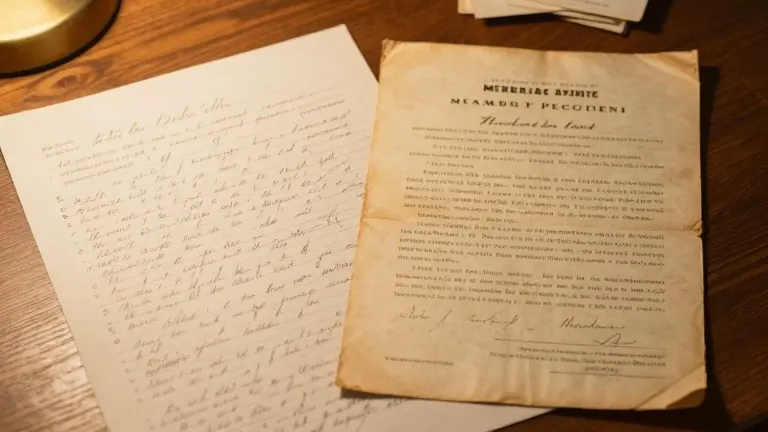
Black American surnames often cannot be traced through a single record because names were changed, misspelled, or left out of official documents during slavery and the years after. During the transatlantic slave trade, family members were separated and traditional naming practices were disrupted, according to NBC writer Julian Craven. Names that connected people to families and ancestry were often lost, altered, or never recorded.
Civil War records offer a partial view of these names. Formerly enslaved Black men who joined the Union Army were registered by white military administrators, Craven reported. Veterans of the United States Colored Troops sometimes had to explain name changes to white special investigators when they applied for pension benefits. An official might have written a name based on how it sounded rather than how the person spelled it, which created inconsistencies across military documents, censuses, and family records.
Genealogist Kenyatta Berry, who hosted PBS's Genealogy Roadshow, has encouraged people researching ancestry to examine the circumstances behind a surname rather than assuming it came from an enslaver. "If you know that your ancestors took the last name of their enslaver, what's the relationship between them and their enslaver?" Berry told Craven. "Did they take that name because they grew up on that plantation? Or is there some type of family relationship to why they chose that surname after emancipation?"
After the Civil War, some newly freed Black Americans chose surnames such as Freeman or Freedman to reflect their new legal status. Others selected names like Washington, Williams, Brown, and Johnson, which were already common in American society. Some chose names associated with prominent Black figures, including Frederick Douglass. Historian Henry Wiencek said in a 2011 interview with ABC7 New York that some enslaved people kept surnames private or that the names were never officially recorded. "Keep in mind that after the Civil War, many of the big planters continued to be extremely powerful figures in their regions, so there was an advantage for a freed person to keep a link to a leading white family," said Wiencek, author of An Imperfect God: George Washington, His Slaves, and the Creation of America.
The 2000 U.S. Census counted 163,036 people with the surname Washington, according to figures reported by The Atlantic. About 90 percent of them identified as African American. The 2020 U.S. Census surname data also lists Jefferson, Charles, Jackson, Booker, and Joseph among surnames with high concentrations of Black Americans. A person might appear under one surname in a military document, another in a census, and yet another in a family record, which can make reconnecting generations difficult for genealogists.