EPA proposes rollback of 2023 methane emission rules
The agency plans to cut the Methane Super Emitter Program and relax standards for marginal wells, a move the industry calls workable but critics say will increase waste.
By Ricardo Whitaker ·
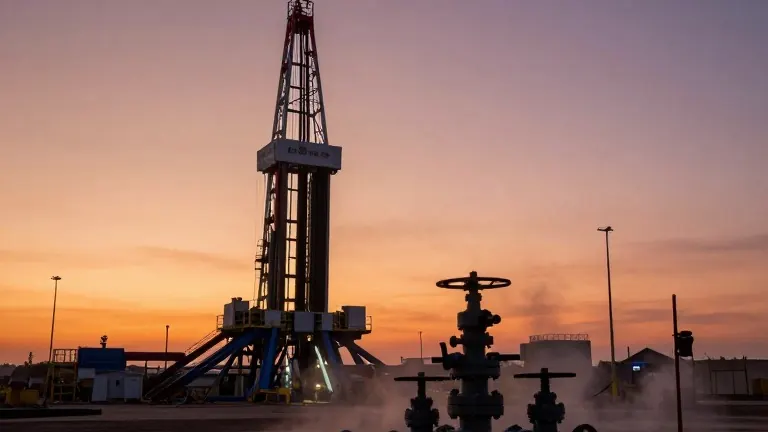
The Environmental Protection Agency is proposing to reduce federal oversight of methane emissions from the oil and gas sector.
The proposal targets rules finalized in 2023 that sought to limit methane releases at drilling sites across the United States. Methane is a potent greenhouse gas that traps heat in the atmosphere. Experts estimate it is 80 times more planet-warming than carbon dioxide over a twenty-year period.
The regulatory timeline began with the Biden administration’s 2023 finalization of new emission standards. The oil and gas industry opposed those rules, arguing they increased production costs. President Trump announced the new proposal on Tuesday while campaigning in Lubbock, Texas. He stated that the revision, made under the Clean Air Act, would save the industry billions of dollars and encourage more domestic drilling. The announcement coincided with Republican efforts to address voter concerns over high gas prices ahead of the midterm elections.
EPA Administrator Lee Zeldin defended the change in a press release. He described the previous administration’s approach as destructive and emphasized the economic role of the industry. "Behind every barrel of oil and every cubic foot of natural gas produced in the U.S. are millions of workers, businesses, and the heartbeat of this nation's economy. The Biden EPA destructively targeted all this," Zeldin said.
The American Petroleum Institute, a trade group for the sector, supported the move. Dustin Meyer, the organization’s vice president, said the agency’s approach would provide regulatory certainty. "We look forward to working with the Trump administration on a more workable approach that supports American energy production, provides greater regulatory certainty and advances continued emissions reductions," Meyer said in a statement.
Environmental groups argue the rollback will hurt both the climate and the industry’s bottom line. Jon Goldstein, associate vice president at the Environmental Defense Fund, noted that methane is the primary component of natural gas. Capturing the gas prevents leaks and flaring, allowing companies to sell more product. "And so if you're capturing more natural gas, you're not allowing it to leak out, you're not allowing it to be flared, you have more product that you can sell. And so that offsets a lot of the costs," Goldstein said. He added that wasted gas represents lost royalty and tax revenue for taxpayers.
The proposal specifically targets the Methane Super Emitter Program, which is scheduled to take effect in January 2027. This program would allow the government to use data from certified third parties, such as private and nonprofit satellite programs, to detect large leaks. Paasha Mahdavi, a political science professor at UC Santa Barbara, explained that government agencies often struggle to spot invisible methane plumes. "The easiest way to think about it is that if the government is alerted to a big leak, then if it's reported by certified third parties, then they could use that information," Mahdavi said. He noted that without this external data, the government would have a harder time identifying violations and prosecuting offenders.
The changes would also affect low-volume marginal wells, which are considered marginally economic because they generate limited revenue. Goldstein countered the assumption that these wells produce small amounts of pollution. He said satellite data indicates that end-of-life wells are responsible for the majority of methane pollution from the production sector. "People assume marginal well must equal small emissions," Goldstein said. "But he says satellites and new technology find that's not true. These old sort of end-of-life wells nearing the end of their production life are actually responsible for the lion's share of methane pollution from the [oil and gas] production sector."
The EPA will publish the proposed rule changes in the Federal Register before taking further action. Once published, the agency plans to open a public comment period of at least 45 days. A public hearing will also be held during that window.