Twin Cities Carshare Collapse: 4,000 Members Seek New Rides
A $625,000 funding gap forced the shutdown of HOURCAR and Evie, prompting a legislative push for Metro Transit to launch a replacement service.
By Adrian Romano ·
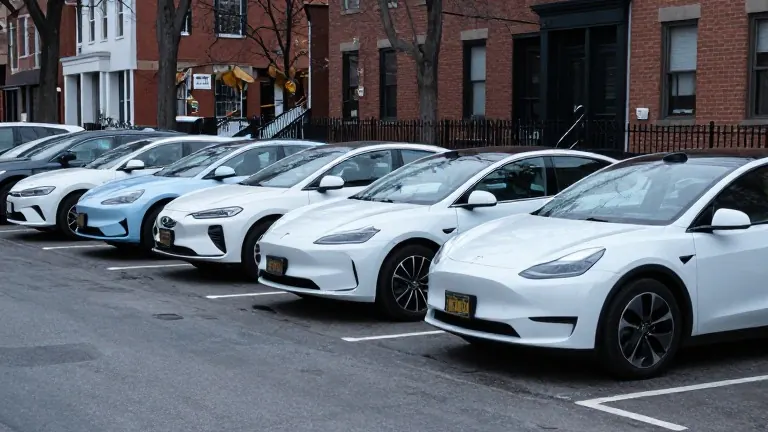
More than 4,000 active members in the Twin Cities lost their primary transportation method on October 8 when the HOURCAR non-profit announced the end of its operations. The closure marks the end of 21 years of service for the HOURCAR and Evie programs. The organization cited a $625,000 funding gap driven by rising insurance costs and the loss of state and federal grants as the reason for the shutdown.
Rep. Katie Jones is preparing a bill for the 2027 Minnesota legislative session that would authorize Metro Transit to operate a carshare program. Jones argues that keeping carshare in the public transit system is essential because members who buy new cars often stop using public transportation. She also points to the environmental and financial costs of adding thousands of new vehicles to local roads.
Neighbors for Community Carshare is working with Jones to support the legislation. Noah Velick, a former HOURCAR employee and group member, said the organization is seeking funding from local city and county leaders to keep the existing HOURCAR fleet running in the interim. The group is currently negotiating details to bridge the gap before a new bill can pass.
The non-profit had raised prices in 2025 and received supplemental funding from Minneapolis and St. Paul, but the costs became unmanageable. An announcement stated that the organization believed it could solve the funding challenge without disrupting service until recently. The last-minute nature of the decision frustrated many long-time users who relied on the service for daily needs.
Susan Van Pelt, a 63-year-old Minneapolis resident, used HOURCAR for nearly two decades. She lives on a fixed Social Security and disability income and cannot afford to own or maintain a vehicle. Van Pelt relies on public transit for short trips but must use more expensive ride-share services for long distances and large grocery runs. She noted that she avoids buying a car to reduce her reliance on fossil fuels.
Velick said many former users are now considering purchasing cars even if they cannot easily afford them. He explained that some residents cannot reach medical appointments or grocery stores without a vehicle, leading them to make sacrifices in other areas of their lives to buy new cars. An October 13 rally drew more than 100 community members who advocated for the continuation of the service.
Olu Famile, who has used HOURCAR since moving to the Twin Cities in 2022, said he is staying home more often to avoid complicated transportation arrangements. Advocates and officials continue to work on a plan to revive the service. Many in the community do not want to see thousands more cars on the road as a result of the program's end.