Nepal Floods Leave 1,500 Dead as Workers Rebuild Communities Amid Rising Malnutrition
With winter approaching, aid groups report that malnutrition rates have surged in affected districts while funding for the estimated $5 billion recovery effort remains insufficient.
By Gabriel Serrano ·
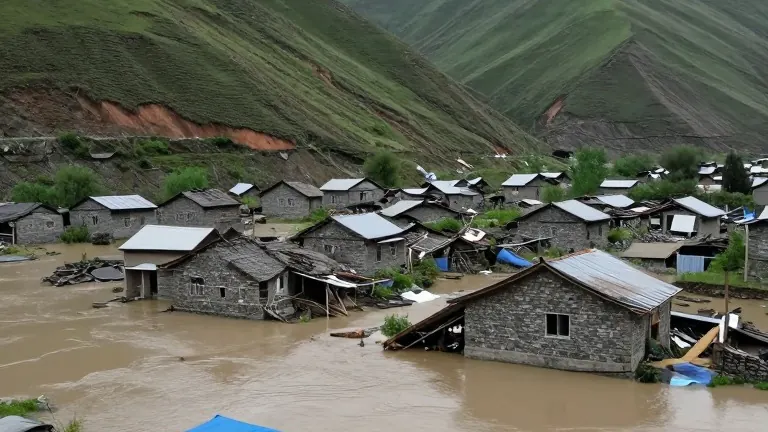
Januka Dhital watched a wall of water and mud destroy her home in Uttargaya, Nepal, on a day that began with her preparing snacks for a catering event. She fled to higher ground on a scooter, leaving behind her husband and daughter, who were at work and school respectively. After hours of searching, the family reunited, but their house and most of their possessions were gone. Dhital is one of approximately 100,000 people whose lives were upended by glacial melt floods that killed at least 1,500 residents and left more than 5,000 missing.
The disaster has damaged critical infrastructure across the region. The United Nations reports that the floods destroyed or damaged seven health facilities, 23 schools, 10,000 toilets, and 64 water systems. Shyam Pathak, a chief of health at UNICEF, described the magnitude of the devastation as unimaginable. As international attention shifts, the focus has turned to the long-term work of helping survivors rebuild, a task complicated by the fact that many of the aid workers are also victims of the flood.
Health concerns have intensified as winter approaches. Preliminary data from Helen Keller Intl indicate a sharp rise in moderate acute malnutrition in the Naukunda Gaunpalika district. Pooja Pandey Rana, who directs the organization's work in Nepal, stated that rates jumped from 0.8% in June to 8.7% in October. She noted that these figures are likely conservative estimates. Families have lost gardens and farms, forcing them to rely on dried and packaged foods such as instant noodles and biscuits while dealing with poor sanitation and a lack of clean drinking water.
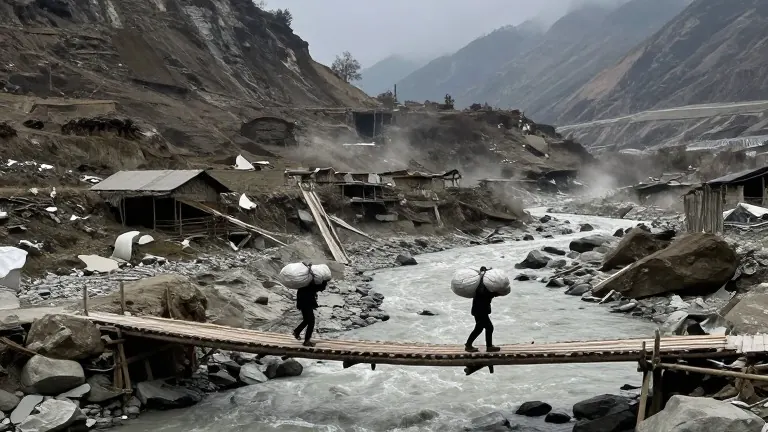
Logistical challenges hinder the delivery of aid to remote areas. More than 100 bridges along the flood path were destroyed, severing mountain roads that served as lifelines for communities on higher slopes. Ayush Joshi of Save the Children noted that areas in the upper north of the impact zone remain cut off. Pushmaya Tamang, a community aid worker from a village in Nuwakot that was nearly erased by the flood, often crosses makeshift bridges to reach families. She described the structures as unstable and dangerous, particularly for elderly residents.
Responders are working to winterize temporary shelters and provide medical care as cold temperatures increase health risks for those living in tents. The total cost of rebuilding is estimated at roughly $5 billion. The U.N. Climate Fund approved $20 million for recovery, and domestic and international donors have contributed over $100 million, but the total remains far short of the required amount. Aid organizations continue to prioritize immediate needs, including food, medical care, and mental health support for survivors and workers alike.