Clocks Turn Back as Efforts to End Time Changes Stall
The U.S. House passed a bill to make daylight saving time permanent in July, but the Senate has not scheduled a vote.
By Adrian Romano ·
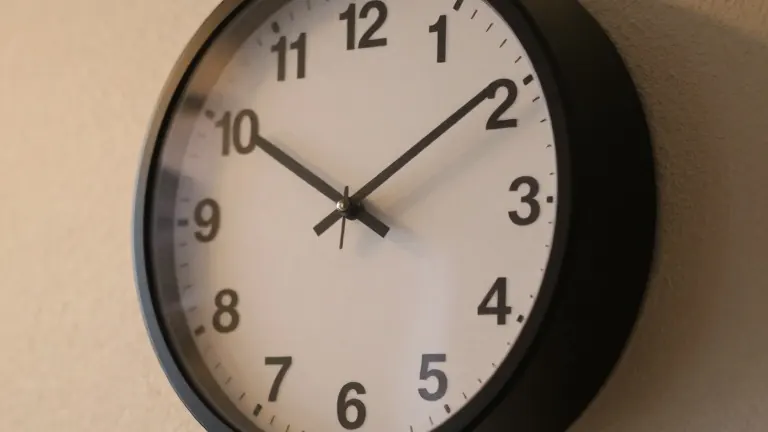
The United States observes daylight saving time in 48 states, a practice that requires citizens to adjust their clocks twice each year. This Sunday, November 1, marks the end of that period for 2026.
At 2:00 a.m. on November 1, clocks will be set back one hour to 1:00 a.m. While smartphones and computers will update automatically, household appliances such as ovens and microwaves will require manual adjustment. This shift reduces evening daylight as the seasons change.
The practice originated in 1918 during World War I, when the goal was to conserve coal-fired electricity for the military. The measure was repealed after the war ended but was reinstated during World War II. In 1966, the Uniform Time Act standardized the schedule to resolve conflicts between states and cities that used different time systems. Under current federal law, daylight saving time begins on the second Sunday in March and ends on the first Sunday in November.
Hawaii and Arizona do not observe the time change, though the Navajo Nation in northeastern Arizona does. U.S. territories including American Samoa, Guam, the Northern Mariana Islands, Puerto Rico, and the Virgin Islands also remain on standard time.
Lawmakers have attempted to end the annual switches for years. The Sunshine Protection Act, which would make daylight saving time permanent, passed the U.S. House of Representatives in July with a vote of 308 to 118. The Senate has not taken up the measure since the House vote, despite lobbying from President Donald Trump. It is unclear if the bill will be scheduled when lawmakers return after the midterm elections.
Senator Rick Scott of Florida, a key sponsor, told Reuters he remains confident the bill can pass. Senator John Kennedy of Louisiana expressed doubt, calling the current effort "dead as disco" and stating his sense is that it would have trouble passing. Proponents argue permanent daylight saving time would provide more evening light and boost winter tourism. Opponents contend that keeping the clocks advanced year-round would result in darker, potentially more hazardous winter mornings for schoolchildren and commuters.
The next time change will occur in March 2027, when clocks will move forward one hour.