Car Seat Safety: New federal crash tests take effect Dec. 5
Updated side-impact and frontal-crash standards will apply to newly manufactured child restraints, but existing seats do not need to be replaced.
By Ricardo Whitaker ·
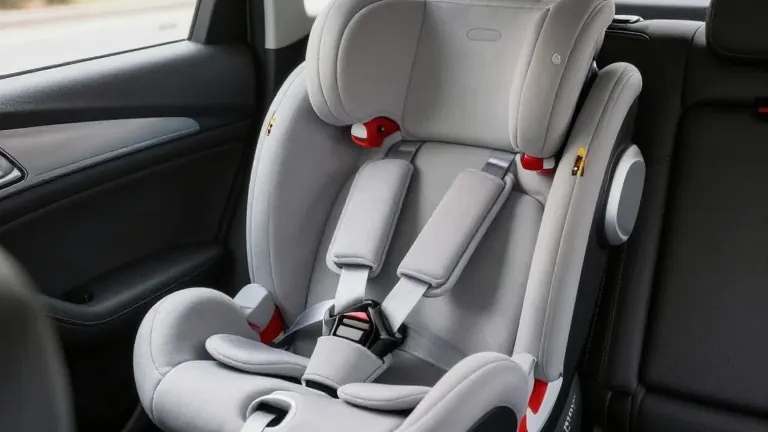
The National Highway Traffic Safety Administration will enforce new crash testing rules for child car seats starting Dec. 5, 2026. These updates change how manufacturers must prove their products can protect children in both side-impact and frontal collisions. The changes apply to seats manufactured on or after the deadline, not necessarily those purchased on that date.
The side-impact requirement, known as FMVSS 213a, was originally issued in 2022. It becomes mandatory for compliance on Dec. 5. This standard covers portable restraints designed for children under 40 pounds or under 43 inches tall. The test uses a simulated vehicle seat and door to mimic a T-bone crash. Exceptions exist for car beds, harness-only restraints, and certain school bus seats.
A second rule, FMVSS 213b, updates frontal-impact testing for the same date. Manufacturers will use a new test seat that better represents modern vehicle back seats. The test will also include a simulated lap-and-shoulder belt for most restraints, replacing the older lap-belt-only method. This shift aims to reflect how children are actually secured in today's cars.
Parents do not need to buy new seats immediately. NHTSA states that existing seats remain safe if they fit the child and the vehicle, are installed correctly, have not been recalled, and are within their usable life. Because some manufacturers adopted the new standards early, a seat bought after Dec. 5 might have been made before the rule took effect. Checking the manufacture date is more important than the purchase date.
Labeling requirements are also changing. Manufacturers must now specify a minimum forward-facing weight of at least 26.5 pounds. For booster seats, the minimum weight must be at least 40 pounds. These numbers are labeling thresholds, not instructions for when a child should switch stages. NHTSA advises keeping children in each seat type as long as they fit within the manufacturer's limits.
The new standards aim to reduce injuries and deaths in crashes. The side-impact rule targets collisions where a vehicle is struck from the side. The frontal-impact update improves how tests simulate front-end crashes. Both rules apply to covered child restraints manufactured after the Dec. 5, 2026 deadline.