Car Safety: Front-center airbags remain rare in American vehicles
A crash protection device introduced over a decade ago is still an optional extra in most U.S. cars, leaving drivers vulnerable in side-impact collisions.
By Gabriel Serrano ·
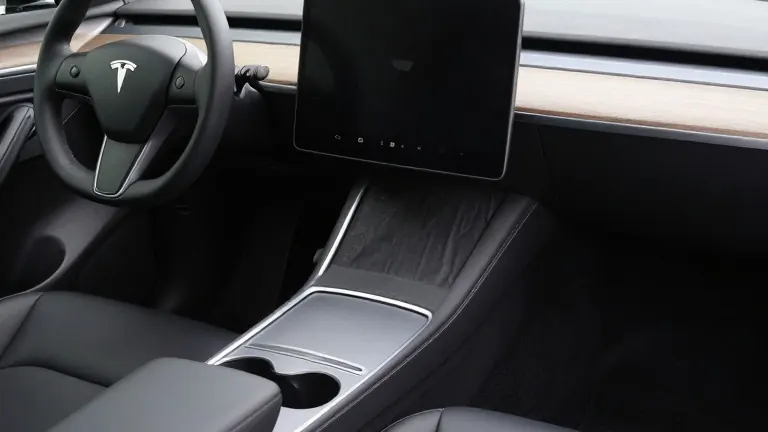
Front-center airbags remain a costly option in most American cars despite being introduced more than ten years ago.
The device is designed to deploy from the seat or center console during a crash. Its purpose is to stop a driver from hitting the passenger-side door or to prevent the heads of a driver and passenger from colliding. Experts note that these impacts happen in less than half a blink of an eye, a timeframe often underestimated by crash victims.
The technology has been available for over a decade, yet it is largely unavailable to consumers in the United States. This gap leaves a critical safety feature out of reach for many families who might benefit from the added protection in side-impact scenarios.
The lack of widespread adoption is part of a larger story regarding vehicle safety standards. While other airbags have become mandatory, this specific type of crash safeguard has not followed the same path. It remains a feature that buyers must often pay extra to include, rather than a standard component.
The issue is currently being examined by InvestigateTV+. The segment, titled 'Sacrificing Safety?', explores why these safeguards remain optional. The report looks at the mechanics of the airbag and the current state of availability in the domestic market.
This story airs as part of a program that also covers the role of jails as mental health facilities. It notes that Rikers Island in New York, Twin Towers Jail in Los Angeles, and Cook County Jail in Chicago are among the largest mental health facilities in the country. The segment also profiles Robert Lane, a retired Army veteran who volunteers at the Desert West Senior Center in Phoenix, Arizona, from Monday through Friday.
The broadcast provides a detailed look at the engineering behind the front-center airbag. It contrasts the rapid deployment time with the physical reality of a side-impact crash. The report aims to inform viewers about the options available to them when purchasing new or used vehicles in the U.S. market.