Beijing dealerships report 21.7% drop in annual car sales
Slumping domestic demand and shrinking margins are pushing Chinese automakers to accelerate exports despite global trade tensions.
By Gabriel Serrano ·

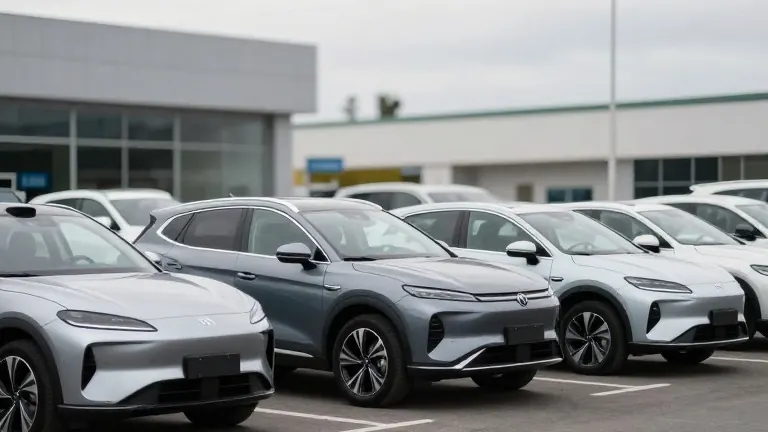
Passenger car retail sales in China fell by 21.7 percent through September, marking a steep decline from the same period last year. The China Passenger Car Association reported that 13.33 million units changed hands during the first three quarters of 2026. This drop signals a sharp contraction in the domestic market, a key driver behind the industry's pivot toward international buyers.
Li Ke, a car salesman with 26 years of experience, described the current market conditions as the slowest he has encountered outside of the pandemic years. He noted that his showroom on the outskirts of Beijing is often empty during the traditional peak buying season. Li stated that weekly transactions have dropped from daily deals to just two or three per week. He attributed this shift to a cautious consumer base that is weighing long-term value over immediate purchase.
Several factors have contributed to the slowdown in consumer confidence. The job market remains unstable, and property prices have continued to slide. Additionally, the government reduced financial incentives, including cash-for-clunkers subsidies and tax breaks for electric vehicles. These changes have made buyers more hesitant to commit to large expenditures.
The decline is not limited to gasoline vehicles, which have been losing share to electric models for some time. Sales of new-energy vehicles, a category that includes electric cars, dropped by 12.8 percent from January through September. Li observed that impulse buying has largely disappeared, with customers taking more time to replace their vehicles due to economic uncertainty.
Analysts indicate that intense competition has led to price wars, eroding profit margins for domestic manufacturers. This pressure is a primary reason Chinese carmakers are looking to overseas markets for growth. Beijing is increasingly concerned about coordinated trade barriers from the United States and Europe, which could limit the volume of cars exported to those regions.
Industrial data reveals a mixed economic picture. The National Bureau of Statistics reported that industrial profits rose 15.5 percent in the first nine months of 2026. However, profits in the auto manufacturing sector shrank by 22.8 percent over the same period. September showed particular weakness compared to the previous eight months, suggesting the downturn is accelerating.
Dealers are adjusting their operations to survive the squeeze. Li moved his business from a costly streetside location to a space with less foot traffic but much lower rent. He believes deeper discounts offer little value when margins are already thin. The main obstacle, he said, is the prevailing attitude among buyers who prefer to wait for better deals.
More Business · National news · Watch Your Wallet · Report a business · Got a Story?