U.S. blocks BGI Group shipments over Xinjiang labor claims
Customs and Border Protection will start barring goods from three biotech firms on Thursday, citing forced labor allegations in China's far west.
By Ricardo Whitaker ·
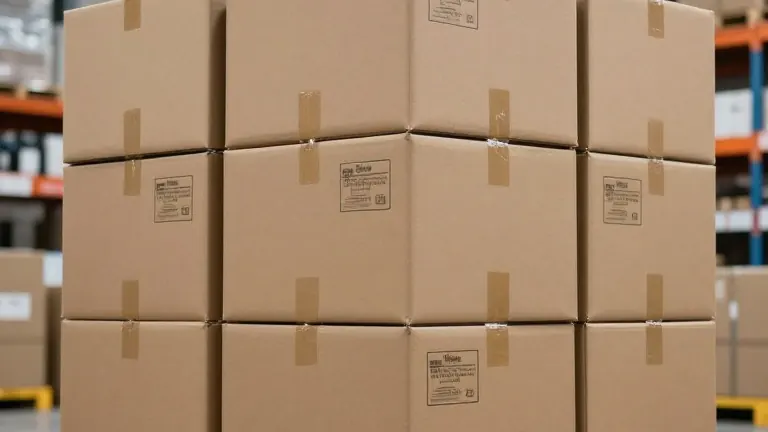
U.S. Customs and Border Protection will stop shipments from three major Chinese biotechnology firms starting Thursday. The agencies added BGI Group, BGI Genomics, and MGI Tech to a trade blacklist based on allegations that the companies rely on forced labor in Xinjiang.
The Department of Homeland Security stated that the firms are either sourcing materials from the region or collaborating with local officials to manage labor. The department said these practices involve recruiting, transporting, or harboring workers from persecuted ethnic groups, including Uyghurs, in China's far western region.
This action places the biotech sector at the center of growing economic friction between the United States and China. The Treasury Department proposed new rules last week to limit American investments in biotechnology, artificial intelligence, and supercomputing within China. The new import ban takes effect one day before President Donald Trump and Chinese leader Xi Jinping are expected to meet in Shenzhen. BGI Group is headquartered in that southern city.
BGI Group issued a statement on Wednesday to dispute the findings. The company said it has not engaged in any form of forced labor and firmly opposes such practices. BGI Group holds controlling stakes in BGI Genomics and MGI Tech, according to Homeland Security.
U.S. policymakers have monitored BGI Group for several years due to concerns about its ties to the Chinese government. Lawmakers feared that access to large amounts of genetic data could impact national security and commercial interests. While Congress did not pass a specific ban on BGI earlier, it did pass a provision late last year requiring a list of biotechnology companies of concern to be compiled.
The Pentagon has designated BGI Group, BGI Genomics, and MGI Tech as Chinese military companies. This classification carries reputational consequences for the firms. In its Wednesday announcement, Homeland Security cited credible information from corporate and government reports. The department said these firms have supported genetic testing in Xinjiang, which it argued facilitates the monitoring and repression of ethnic minorities.
These restrictions fall under the Uyghur Forced Labor Prevention Act, signed into law by President Joe Biden in late 2021. The law was enacted following allegations of human rights abuses against Uyghurs and other Muslim minorities. The Chinese government has described these claims as lies, stating that its policies in Xinjiang aim to fight terror and ensure stability. In August, the current administration expanded this blacklist to include 43 Chinese companies, bringing the total to 187 entities. Homeland Security Secretary Markwayne Mullin said the move protects American workers from foreign companies using slave labor.
More Business · Watch Your Wallet · Report a business · Got a Story?