Winter Support: Bank Levy Doubled to Fund £100 Payments for 20 Million Homes
Chancellor John Healey’s budget relies on a temporary 6% bank profit tax and higher savings rates to offset a projected £466 rise in energy bills.
By Adrian Romano ·
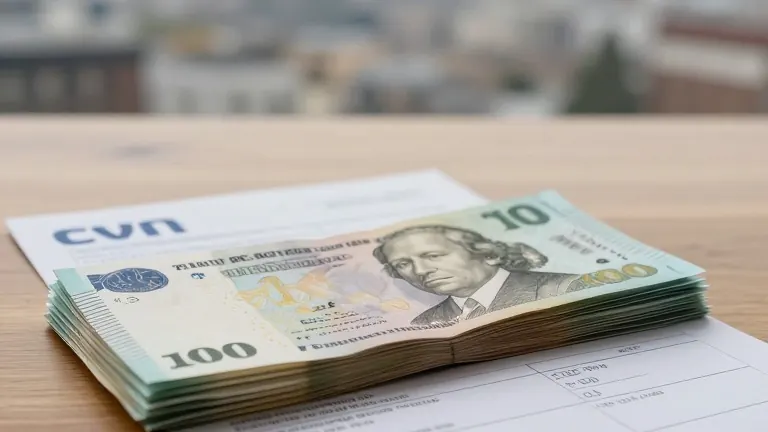
Energy provider EDF projects that the Ofgem price cap will increase by £466 for consumers starting in January, a cost that Chancellor John Healey intends to offset with a direct payment. The government will send £100 to 20 million households in England that pay council tax in bands A through D. This payment is the central element of a £2.6 billion winter support package, which includes funding allocated for the Scottish and Welsh governments to implement similar schemes.
Healey funded the payout by doubling the additional levy on bank profits to 6%. This tax increase is temporary and will remain in effect for only 15 months. The move was designed to reassure financial markets, which had grown nervous about the government’s fiscal position. Bank shares rose among the highest in the FTSE 100 index on Wednesday following the announcement. Laura Suter, director of personal finance at AJ Bell, noted that while savers face a new tax on interest, the bank levy was less severe than industry fears suggested.
The budget also introduced a 2p increase in tax rates on income earned from property and savings. The Office for Budget Responsibility (OBR) warned that this change could reduce landlord supply and lead to a steady rise in rents. Suter cautioned that landlords might pass these costs onto tenants or sell their properties to invest in assets with lower tax burdens. Ruth Curtice, chief executive of the Resolution Foundation, argued that the £100 handout was poorly targeted, suggesting that more generous support was needed for the poorest consumers facing rising energy bills.
Official forecasts presented alongside the budget painted a difficult picture for household finances. David Miles, head of the OBR, described the outlook as a "pretty grim picture," with inflation rising to nearly 4%. Real disposable household incomes are expected to remain stagnant, with virtually no growth projected for 2027. By 2030-31, the OBR expects these incomes to be only 2% higher than pre-pandemic levels. The economic growth forecast for next year was cut by half a percentage point to 1%.
Healey attributed the economic pressure to global economic storms, specifically the war in Iran, which is driving up oil and gas prices. The government’s interest bill has increased by £14 billion this year due to higher rates. Despite these challenges, Healey stated he would adhere to Labour’s fiscal rules. The OBR reported that the government will balance day-to-day spending with tax revenues by 2029-30, with a headroom of £15 billion. This buffer is smaller than the £24 billion accumulated in the spring under former Chancellor Rachel Reeves, but Healey promised to rebuild it to £22 billion by the end of the five-year forecast period.
The budget included other cost-of-living measures, such as cancelling planned fuel tax rises and extending the VAT cut on electricity prices until next summer. Healey also raised the business rates relief threshold from £12,000 to £18,000 for retail, hospitality, and leisure companies. This change is funded by higher taxes on gambling and vape shops. Kemi Badenoch, the Conservative leader, criticized the government for overspending and delaying decisions on defense and welfare. Healey responded that he would address welfare issues after receiving reports from Alan Milburn and Sir Stephen Timms, which are expected next month.
Helen Miller, director of the Institute for Fiscal Studies, warned that the tight spending plans could create difficulties for next year’s spending review. She noted that higher inflation forecasts would squeeze departmental budgets, making future spending choices more difficult. The budget also included a hint at easing migration restrictions, allowing certain industries to lower salary thresholds for visas. London Mayor Sadiq Khan received new powers to extend the Bakerloo line and a pledge that cross-Channel trains would stop at Stratford International. Funds were also allocated to explore hosting the Olympics in a northern city.
More Business · Watch Your Wallet · Report a business · Got a Story?