Renters face rising heating costs this winter
Experts advise lowering thermostats and sealing drafts to offset energy price increases without major home renovations.
By Adrian Romano ·
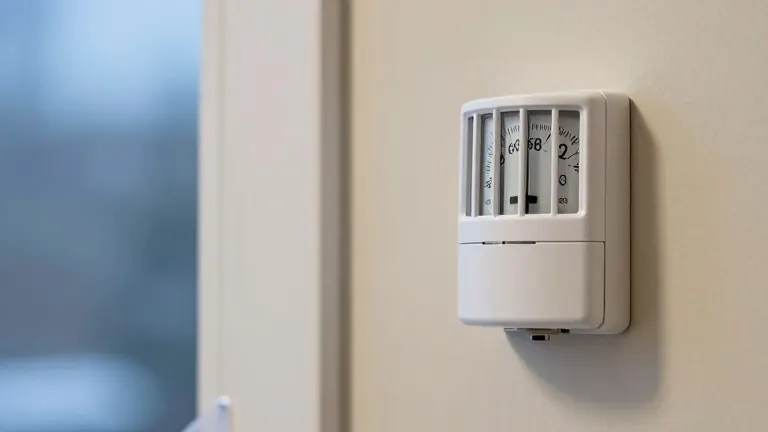
Energy prices are rising as winter temperatures drop, increasing the cost of heating homes. This trend places a heavier financial burden on renters who cannot make structural changes to their living spaces.
Nicholas Rajkovich, an associate professor of architecture at the University at Buffalo, notes that renters face specific challenges because they often cannot add insulation or alter home designs. Despite these limitations, he states that effective measures exist for apartments and rental houses.
Ian Shapiro, a professor of practice in mechanical and aerospace engineering at Syracuse University, recommends lowering the thermostat to save energy. He advises tenants to turn off heat entirely when leaving the house and to avoid heating unoccupied rooms if possible.
Approximately 30% of a home's heating and cooling energy is lost through windows. Shapiro suggests checking for drafts by running a wet hand under a faucet. The moisture makes the skin more sensitive to air movement, helping identify leaks. Tenants can then apply temporary caulking or removable foam insulation to seal these gaps.
Shapiro warns against relying on space heaters due to safety hazards and cost structures. Fuel-burning units can produce carbon monoxide, while electric units pose fire risks. He explains that in many apartments, landlords pay for central heat but tenants pay for electricity. Using an electric resistance heater shifts the heating cost to the tenant.
Rajkovich suggests that simple behavioral changes can reduce expenses. He recommends wearing extra sweaters and using blankets instead of raising the heat. These methods are inexpensive ways to maintain comfort while lowering energy consumption.
Shapiro also points to window heat pumps as an efficient option for supplementing central heating. These devices move heat rather than generating it and can function as air conditioners during the summer months.
More Business · Watch Your Wallet · Report a business · Got a Story?