Nvidia-backed Microducks surge past 20,000 preorders after viral keynote appearance
A cute robotic duck shown off by Jensen Huang in Berlin has quickly become a top holiday contender, raising questions about the market appeal of open-source hardware.
By Adrian Romano ·
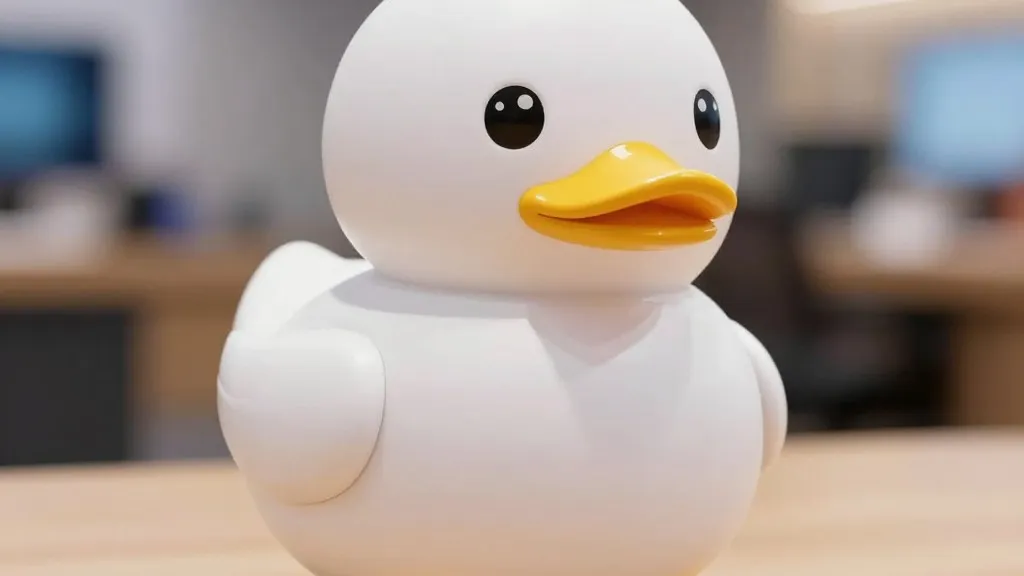
Preorders for the Microduck robot surpassed 20,000 units within a day of a viral video showing Nvidia CEO Jensen Huang interacting with a group of the devices during a keynote presentation in Berlin. The rapid sales velocity has positioned the small, waddling robots as a potential top seller for the upcoming holiday season, according to Hugging Face co-founder Clem Delangue. The figure was shared on social media, highlighting the immediate consumer response to the product's debut.
The video, which circulated widely earlier this week, captures Huang playing with a flock of Microducks at the company’s GTC Berlin conference. The robots are equipped with small feet that stomp and emit sound effects reminiscent of the character R2-D2 from the Star Wars franchise. They performed several actions on voice command, including sitting, performing somersaults, and lying down to simulate a nap. The clip has been described by industry observers as a palate cleanser following a week in which the artificial intelligence sector faced scrutiny over its role in various cyberattacks.
Delangue has suggested that the Microducks could become the best-selling robot of the year. He noted that the devices may not be exclusively for children, pointing to promotional materials that feature adults engaging with the toys. This demographic shift aligns with a broader trend in consumer electronics where hobbyist and adult markets drive adoption of open-source hardware. The timing of the launch, with deliveries expected in time for Christmas, reinforces the product's status as a seasonal gift item.
The Microducks are manufactured by Pollen Robotics, a company acquired by Hugging Face in 2025. Because Nvidia purchased Hugging Face in September, the robots now fall under the umbrella of the GPU giant. This acquisition marks Hugging Face’s second foray into physical robotics, following the release of the Reachy Mini. The lineage of the product is important for understanding its technical capabilities and its place within the Nvidia ecosystem.
The devices are built on an open-source architecture, allowing for a high degree of customization by the user. They were trained using Nvidia’s technology stack, which involved using simulations to teach the robots basic maneuvers such as walking, sitting, and standing. These foundational tricks are included in the initial software package. Pollen Robotics states that owners can train their units with new behaviors and subsequently share those updates with the wider community. This collaborative model is central to the product’s value proposition.
The surge in preorders comes at a moment when the AI industry is navigating public perception. While recent news cycles have been dominated by concerns regarding AI involvement in cyber incidents, the Microduck launch offers a lighter, more tangible demonstration of the technology’s potential. The contrast between the serious implications of AI security and the playful nature of the robot highlights the diverse applications of the field. The viral moment has served to humanize the technology for a broader audience.
The success of the Microducks also reflects the strategic integration of Hugging Face’s work into Nvidia’s broader portfolio. By leveraging Nvidia’s simulation tools for training, Pollen Robotics was able to develop efficient movement algorithms before physical deployment. The open-source nature of the device invites a developer community to expand its functionality, potentially extending its lifecycle beyond the initial holiday season. This approach differs from traditional closed-system toy manufacturing, where updates and features are controlled solely by the producer.
As the holiday season approaches, retailers and consumers will be watching to see if the preorder numbers translate into sustained sales. The robots’ unique combination of cuteness, technical flexibility, and community-driven development sets them apart from other electronic toys. Whether they maintain their momentum will depend on user satisfaction and the ease with which new tricks can be implemented. The incident has certainly generated significant buzz, but long-term viability remains to be seen.
The video of Huang with the ducks has become a notable cultural artifact within the tech community. It provides a brief respite from the often complex and critical discussions surrounding AI infrastructure and security. The fact that a CEO was seen enjoying a toy in a professional setting underscores the informal and experimental culture that still exists within major technology firms. For now, the Microducks stand out as a surprising and successful product launch in a crowded market.