China loses $2.4 trillion as AI stocks crash
Shanghai tech stocks have fallen sharply since May, driven by weak consumer demand and new US export restrictions.
By Adrian Romano ·
Dan Wang, the China director for the Eurasia Group, pointed to a mix of thin profits and rising American interest rates as the main drivers of the recent market sell-off. She described a general anxiety among technology firms about whether state-backed models can succeed when consumer demand remains low. The stock market has absorbed the shock of this uncertainty.
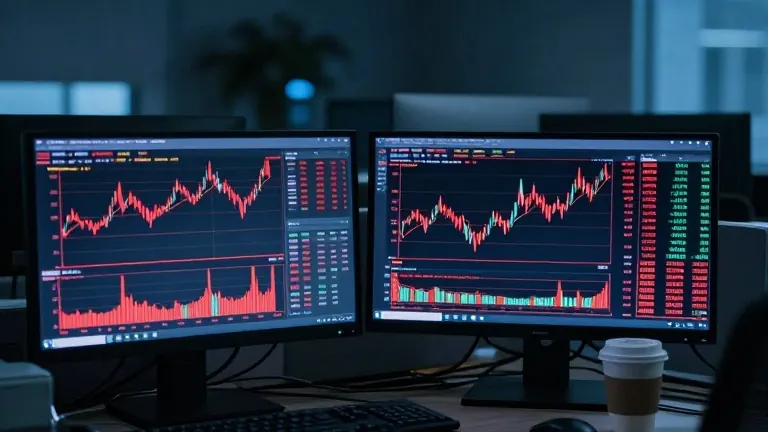
The STAR 50 Index, which tracks technology and innovation companies on the Shanghai stock exchange, has plunged 40% since June. Other indexes of major companies dropped by about 20% over the same period. Bloomberg calculates that this precipitous drop has wiped out $2.4 trillion from the Chinese stock market since May.
AI stocks account for over 40% of the stock market value in China and Hong Kong, according to Goldman Sachs. This concentration means that any dent in value sends shockwaves across the whole domestic market. The government has invested heavily into the sector, including a 60 billion yuan state-backed AI investment fund that started pumping money into domestic developers this month.
Despite these efforts, Chinese consumers have proved reluctant to part with their cash in many parts of the economy. Many tech companies struggle to turn a profit because of this weak domestic demand. Another reason for the sell-off is the threat of western countries, especially the US, extending bans on Chinese technology.
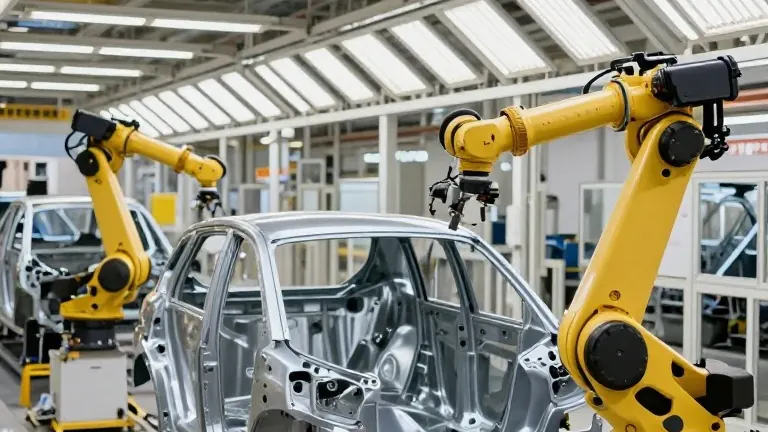
The US has banned humanoid robots from China, citing national security risks. Washington is also considered to be evaluating a ban on Chinese components in data centres. China is heavily reliant on exports, and these restrictions hurt domestic companies that struggle to sell enough products at home.
Beijing has doubled down on robotics, also known as embodied AI, as the key to rolling out the technology across society. Robotics is viewed as the answer to demographic problems like the ageing population and the shrinking workforce. However, demand is currently driven by government agencies and research institutions rather than everyday consumers.
Shares in Unitree, China’s leading robot-maker, have halved since they started trading in August. Wang noted that embodied intelligence does not look like it could turn into profits in the mass market soon. Thin profit margins, rising US rates, and weak domestic demand continue to weigh on investor confidence.
China’s government wants local investors to keep their money domestic. It has restricted overseas investment, with more regulations taking effect from 1 December, but these moves have not led to greater investment in the Chinese markets. No new stimulus measures are expected during this politically sensitive period as the top officials in the Chinese Communist party gather for the fifth plenum.
More Business · Watch Your Wallet · Report a business · Got a Story?