Ohio State dancers bring personal struggles and cultural rhythms to Barnett Theatre
Three contemporary works examine internal battles, Mexican folklorico traditions, and the human experience through movement and music.
By Gabriel Serrano ·
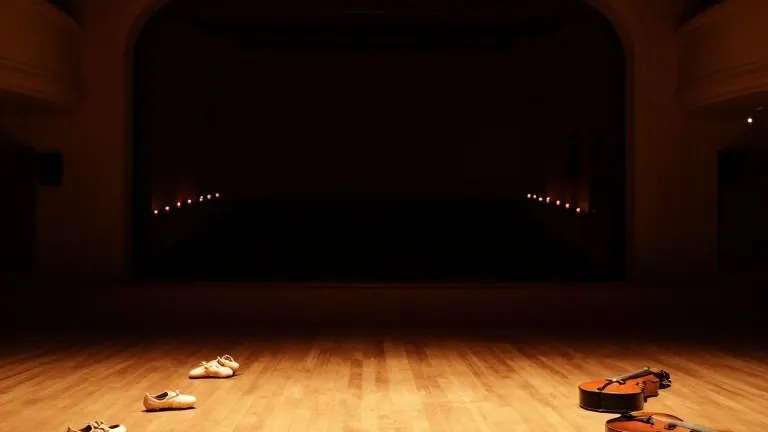
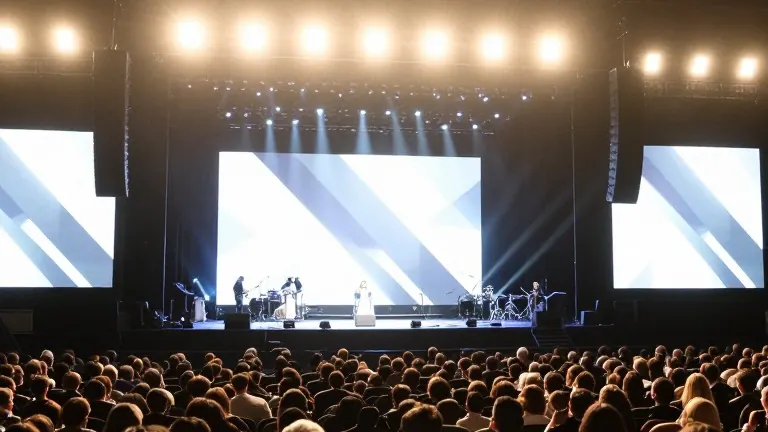
Starting Thursday, audiences at Barnett Theatre can watch 21 students translate complex cultural identities and daily emotional struggles into physical movement. The Department of Dance presents its Autumn Faculty Concert through Saturday, offering a program that blends percussive footwork with abstract storytelling. The performances aim to make visible the invisible mechanics of rhythm and personal expression.
The program features three distinct works by faculty members Alfonso Cervera, Donald Isom, and Eddia Taketa. Each piece approaches contemporary dance from a different angle, moving from traditional roots to internal psychological landscapes. The concerts are scheduled for the evening hours at 1813 N. High St., with the full run concluding Saturday.
Cervera’s piece, “Ritmo,” draws from Mexican folklorico dance but avoids a direct reenactment of tradition. Instead, the choreography focuses on percussive internal rhythms created by the collective. Cervera noted that the work lacks a linear storyline, requiring dancers to build a narrative through listening and synchronization. The cast incorporates Latin American, social, and contemporary styles, reflecting Cervera’s own practice known as Poc-Chu.
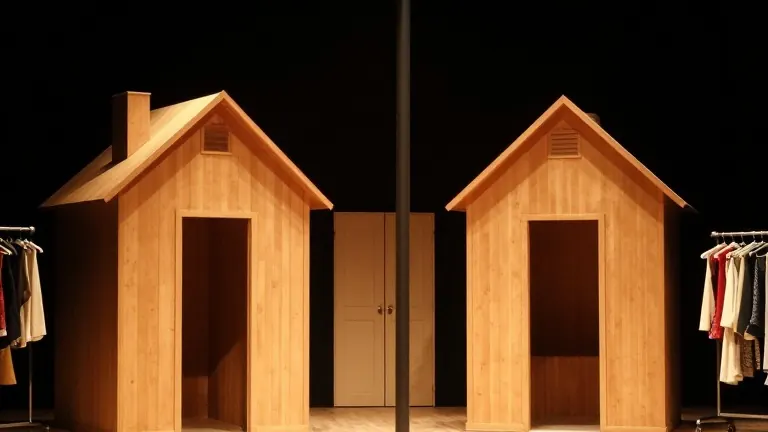
To personalize the performance, Cervera dressed the dancers as miniature versions of himself, inspired by Mexican fashion. This visual choice aims to evoke nostalgia through music and vocals. Specific sections of the dance honor Cervera’s grandmother, prompting performers to reflect on their own family dynamics and the current political climate. Cervera described the piece as a challenge because its abstract nature requires dancers to impersonate different characters without a script.
Donald Isom’s contribution, “The Evening of Fluidity,” shifts the focus to the human condition. Isom drew inspiration from the internal battles people face during routine tasks like attending work or class. He encouraged his cast to channel their genuine emotions into the movement, arguing that visible sadness or brokenness adds texture to the dance. The piece includes a moment of chaotic movement where the audience can focus on any single performer, emphasizing the individual within the collective.
Isom believes that dance functions as a form of storytelling comparable to film or literature. He used lighting and music to guide the emotional shifts throughout the performance. During rehearsals, he held conversations with students to help them process their feelings, encouraging them to present those emotions on stage rather than suppressing them. The goal is to allow the audience to engage with a wide spectrum of human experience without fear.
The concerts conclude Saturday, providing a final opportunity to see these works performed. The program highlights the technical demands of non-traditional dance styles while exploring themes of transformation and identity. By the end of the weekend, the faculty and students will have completed their presentation of these culturally and personally driven pieces.