Judge Blocks ACIP Changes, Leaving Flu Shot Coverage Unclear
A federal advisory committee has remained vacant since a judge halted its overhaul, leaving patients to pay out of pocket for new vaccines approved by the FDA.
By Adrian Romano ·
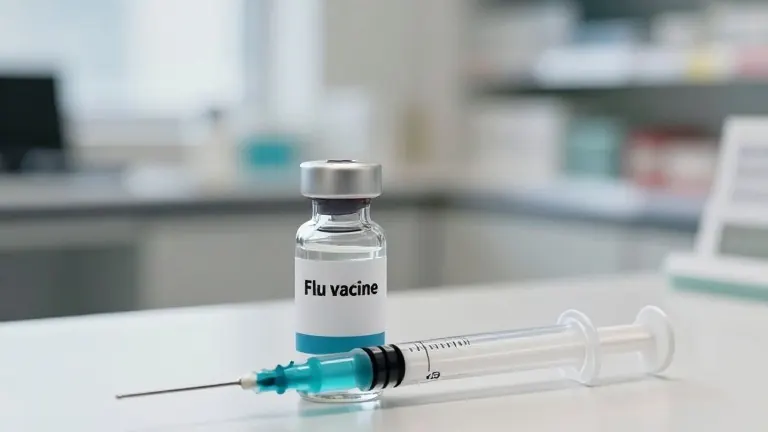
The United States currently lacks an operational federal body to recommend new vaccines, a status that has stalled the process for covering new medical treatments.
Robert F. Kennedy Jr., the Secretary of Health and Human Services, recently restructured the Advisory Committee on Immunization Practices, known as ACIP. He replaced the existing expert members with selected allies and reduced childhood immunization recommendations by one-third. A federal judge subsequently ruled these changes were procedurally flawed and halted them. Kennedy has not nominated new members to fill the vacancies, leaving the committee empty.
The vacancy directly impacts patients seeking new treatments. Ron Kroening, a 63-year-old retiree in Oklahoma, was advised by his doctor to receive Moderna's mRNA flu vaccine. The Food and Drug Administration approved this shot for adults aged 50 and older in August. Clinical trials indicate the vaccine provides stronger protection against the flu than traditional injections. Kroening found the vaccine at a single local pharmacy and paid a $40 co-pay because his insurer did not cover the cost.
His insurance provider stated the vaccine was not covered because it lacks a recommendation from ACIP. Normally, insurers have at least one year to add coverage for new vaccines after they receive a formal recommendation. The timeline for the new flu shot is now unclear. A recommendation issued in December 2026 would mandate coverage by January 2028. A recommendation in January 2027 would push the deadline to January 2029.
Lindsay Wiley, a law professor at UCLA, noted that the legal requirement for coverage does not take effect immediately. She described a recommendation next year as the best-case scenario but stated there is no reason to expect one soon. This delay contrasts with the coverage timeline for COVID-19 vaccines, which Congress mandated must be covered within 15 days of an ACIP recommendation.
The lack of a functioning committee has created legal and logistical gaps elsewhere. Some states prevent pharmacists from administering vaccines without an ACIP recommendation. The committee's previous decisions, including a September 2025 recommendation for new RSV shots, were also halted by the court order, though insurers appear to be covering those shots anyway. A voided vote to end the universal hepatitis B birth dose is now influencing potential state laws. Medicare coverage for the new flu shots for seniors has also faced reported delays.
The government has appealed the portion of the court ruling that disbanded the committee. Aaron Siri, a lawyer who has represented Kennedy, wrote on Monday that the White House and the Department of Justice are not making a serious attempt to revive the body. Dorit Reiss, a vaccines expert at UC Law San Francisco, agreed that the federal government is intentionally choosing not to install a new ACIP.
Reiss suggested that an empty committee may serve Kennedy's interests. His original appointees did not move as quickly as he wanted to change the vaccination schedule. By bypassing ACIP and delaying its reconstitution, Kennedy retains the ability to make his own recommendations. Reiss warned that the committee's independence has been undermined, and restoring it may require a new statute to protect its structure.
Kroening's insurer is part of AHIP, an industry group that has promised to continue covering all shots recommended as of September 2025. Insurers also have the option to cover vaccines before they are legally required to do so. Kroening said he would choose the new vaccine again and is glad he paid for it, though he remains unhappy that his insurance did not cover the cost. "It's a mess right now, what they're doing with our vaccines," he said.