Cincinnati bars: Regulars rebuild social ties
In Over-the-Rhine, workers and patrons are using local dive bars to form communities after pandemic isolation.
By Gabriel Serrano ·
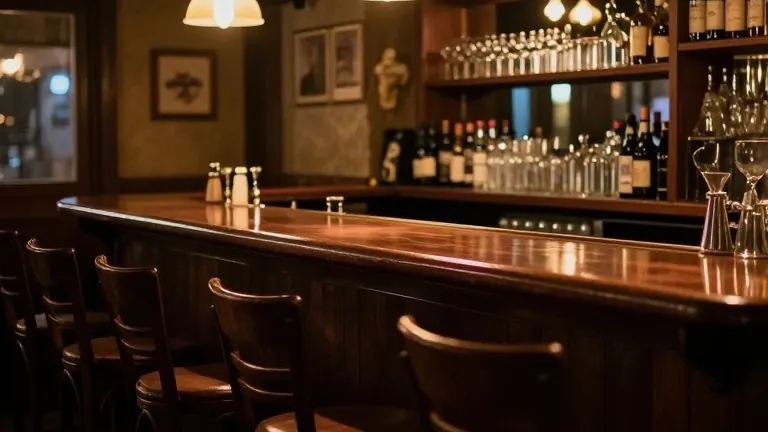
Local bars in Cincinnati are functioning as critical social hubs for residents seeking connection after years of isolation. Jamie Black turned her regular visits to the Overlook Lodge into a full-time career in the service industry. She moved into her own apartment after a relationship ended and found that making friends as an adult was difficult. She began frequenting the Overlook Lodge because it was nearby. She helped the staff put up chairs and wipe down the bar at the end of the night. She later picked up shifts there to earn extra money outside of her nine-to-five job.
Black believes bars provide a safe space for people to decompress and be themselves. She notes that bartenders witness patrons mourn, celebrate, or sit in silence. She stated that having a dedicated place to go is essential for many people, particularly since the pandemic.
Brandon Coutts, a law professional, has lived in Cincinnati since 2010. He did not explore the city extensively until he moved to Over-the-Rhine eighteen months ago. He discovered Uncle Leo’s dive bar after hearing about their Monday red beans and rice. He kept returning to the establishment. He learned the names and schedules of the bartenders. Staff prepared his drink immediately upon his arrival. Regulars at the bar asked him about his trips and his daily activities. He noted that he saw the same people at other neighborhood venues. He described the environment as kind, unlike his previous residence in Oakley.
Coutts advised prospective regulars to choose a bar that matches their personal energy. He recommended skipping tourist traps in favor of neighborhood spots. He observed that some bars feature patrons who converse only within their own friend groups or stare at their phones. He prefers venues where people engage in genuine conversation and are not rude or dismissive.
Geovanny Morales-Santos is the lead bartender at the cocktail bar Afterlife. He warned customers not to assume that frequency of visits entitles them to special treatment. He said some frequent customers demand free drinks or claim they know the owner. He described these expectations as messy and uncomfortable for the staff. He emphasized that regulars should remain friendly and tip well without demanding superior service.
Morales-Santos said that regulars make the job more fulfilling for bartenders. He compared the arrival of a familiar customer to picking up a friendship after a long separation. He said the comfort of that familiarity is valuable when the bar is busy or slow. He noted that much of the job is performative, requiring staff to pretend to be interested in new customers. With regulars, the interaction feels natural. He does not have to pretend to be someone else. The relationship helps light up his day.
The dynamic between staff and patrons creates a sense of stability in the neighborhood. Black and Coutts represent different demographics who both found community in local watering holes. The bars serve as third spaces where people can exist without the pressure of home or work. The staff benefit from the predictability and genuine connection that regulars provide. The environment fosters a specific type of social interaction that is hard to replicate elsewhere in the city.